
Places of the Bible

Gethsemane

The name means oil press, and the garden was chosen by the man who betrayed him because he knew the habit.

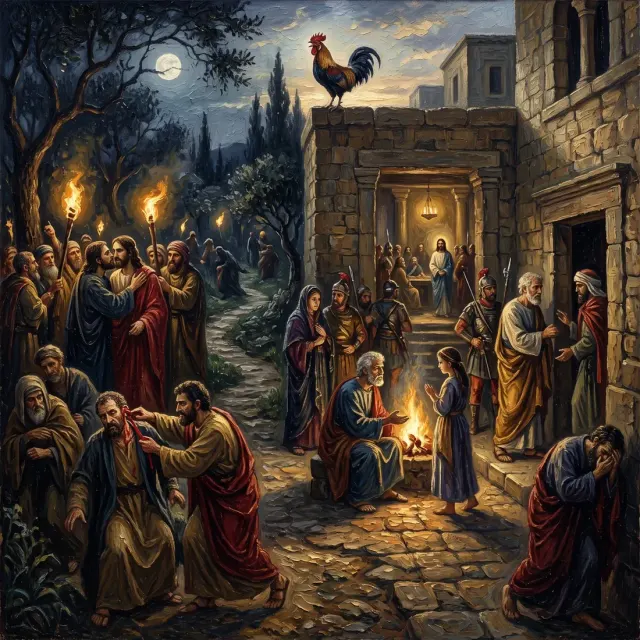
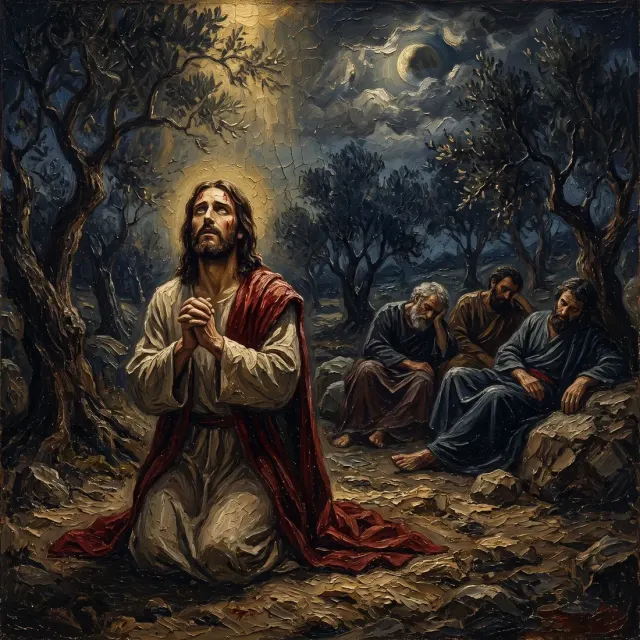
Gethsemane is an enclosed olive grove on the lower slope of the Mount of Olives, across the Kidron from the city. The name is Aramaic for oil press, which is a machine for crushing. John gives the reason the arrest happens here rather than anywhere else, and it is a domestic one: Judas also, which betrayed him, knew the place: for Jesus ofttimes resorted thither with his disciples. The betrayal works because of a routine.

Where it appearsMatthew 26 · Mark 14 · Luke 22 · John 18

Scroll down to the account

The movements, in the order the text gives them.

The Account of Gethsemane

  1. 01

    Mark 14:33-34

    He began to be sore amazed, and to be very heavy

    Mark uses the strongest words he has, and puts them on the person the book has spent thirteen chapters showing to be unshakable.

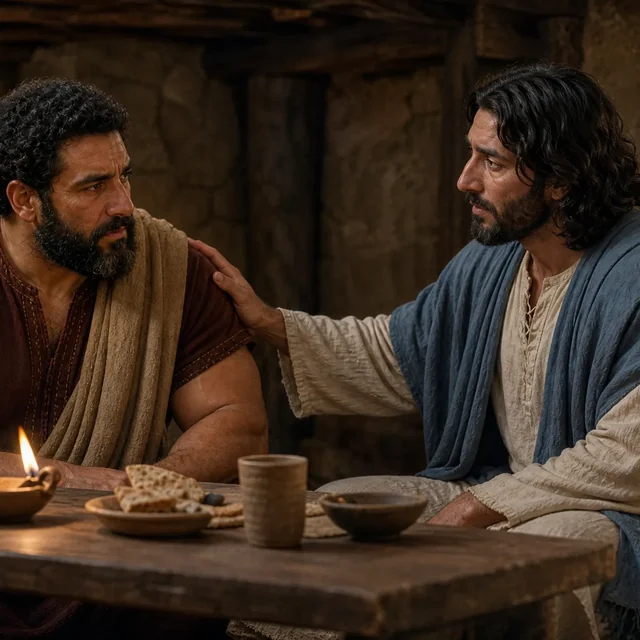
    The man who told Jairus not to be afraid now speaks of his own sorrow without softening a word. The Book of Mark does not protect Jesus' majesty by making his anguish look small. Sore amazed and very heavy describe profound distress, and the words spoken to the three disciples make its severity unmistakable: exceeding sorrowful unto death. This is not the language of someone merely observing suffering from a safe distance.

    Peter, James and John have been brought close enough to hear it. Their presence matters because Jesus asks for company and watchfulness, not a defense of his reputation or an explanation of his state. The same disciples who saw extraordinary authority in Jairus' house now hear an appeal to remain beside him. Nearness to Jesus includes this, too.

    The preceding verse names Gethsemane, a name meaning oil press. That meaning belongs to the place; the passage does not turn an olive press into an explanation of the suffering. Its weight comes from something plainer. Jesus names the sorrow, names its reach, and asks the three to stay awake. Before the arresting hands arrive, the burden has already been spoken aloud.

    Verse by verse

    1. 14:33

      The Greek verbs ekthambeo and ademoneo convey intense alarm and distress. Neither requires an invented explanation of what Jesus was thinking.

    2. 14:34

      Unto death expresses the extremity of the sorrow; it does not say that Jesus dies in the garden.

    3. 14:34

      Watch means remain awake and alert. In 14:37 Jesus finds Peter asleep and asks about keeping watch for one hour.
    Mark 14:33-34

    King James Version · 2 verses

    14:33And he taketh with him Peter and James and John, and began to be sore amazed, and to be very heavy;

    14:34And saith unto them, My soul is exceeding sorrowful unto death: tarry ye here, and watch.

    Mark 14:33-34: He began to be sore amazed, and to be very heavy
  2. 02

    Matthew 26:39-44

    Nevertheless not as I will, but as thou wilt

    The request is made three times and is never withdrawn. The clause at the end is not a formality; it is the whole decision.

    Submission is spoken repeatedly here, not treated as a sentence that makes the struggle disappear. The Book of Matthew gives the prayer, the return to sleeping disciples, another prayer, another return, and then the same words once more. The repetition slows the passage to the pace of the night. An account concerned only with the outcome could have skipped it. This one does not.

    There is also movement inside the prayer. The first asks that the cup pass, if possible. The second speaks of drinking it if there is no other way. Both address my Father. The petition is neither concealed nor allowed to become the final authority: not as I will, but as thou wilt. Distress and obedience occupy the same sentences. Neither cancels the other.

    The disciples' failure is painfully ordinary beside that struggle. Their eyes are heavy. Jesus names willing spirit and weak flesh, then commands watchfulness and prayer rather than accepting good intentions as sufficient. Earlier, Peter and the others promised loyalty unto death. Here the immediate demand is one hour awake. The contrast needs no added accusation. While their eyes close again, Jesus returns to the Father with the same words.

    Verse by verse

    1. 26:39

      Fell on his face describes the posture of the prayer. The request for the cup to pass and the submission to the Father belong to the same prayer.

    2. 26:41

      Flesh here names human weakness in contrast with willingness of spirit; the sentence is addressed to the disciples, not given as a diagnosis of Jesus.

    3. 26:44

      Saying the same words makes repetition explicit. The passage does not portray repeated prayer itself as a failure.

    Matthew 26:39-44

    King James Version · 6 verses

    26:39And he went a little further, and fell on his face, and prayed, saying, O my Father, if it be possible, let this cup pass from me: nevertheless not as I will, but as thou wilt.

    26:40And he cometh unto the disciples, and findeth them asleep, and saith unto Peter, What, could ye not watch with me one hour?

    26:41Watch and pray, that ye enter not into temptation: the spirit indeed is willing, but the flesh is weak.

    26:42He went away again the second time, and prayed, saying, O my Father, if this cup may not pass away from me, except I drink it, thy will be done.

    26:43And he came and found them asleep again: for their eyes were heavy.

    26:44And he left them, and went away again, and prayed the third time, saying the same words.

    Matthew 26:39-44: Nevertheless not as I will, but as thou wilt
  3. 03

    Luke 22:43-44

    His sweat was as it were great drops of blood

    Luke adds both the physical detail and the angel. The strengthening comes during the struggle rather than instead of it.

    Heaven sends strength, and the next sentence still says agony. That order matters. The angel's presence does not make the suffering vanish or turn the prayer into effortless calm. Jesus prays more earnestly. In the wording preserved by the King James, heavenly help and terrible distress stand next to each other without embarrassment. Strength is given for what remains to be endured.

    The bodily detail is equally unsparing, but its wording deserves care. As it were introduces a comparison: sweat like great drops of blood, falling to the ground. Readers differ over whether this describes blood mixed with sweat or compares the sweat's appearance and heavy falling with blood. The comparison does not by itself settle that question. The account supplies agony, earnest prayer and sweat reaching the earth, not a medical diagnosis.

    Just beyond these verses, the disciples are found sleeping for sorrow. The Book of Luke gives their sleep a cause other than indifference. Their grief is real, and their failure to remain awake is real. Jesus, meanwhile, continues praying in his distress. The passage does not divide the garden into those who feel and those who do not. Its sharper distinction is between sleep and prayer.

    Verse by verse

    1. 22:43

      Luke does not name the angel. Identifying the messenger as Gabriel or Michael goes beyond this passage.

    2. 22:44

      The Greek hosei means as or like. That comparative wording should remain visible when discussing the sweat and blood.

    3. 22:44

      More earnestly describes the prayer during the agony. The strengthening in 22:43 is not followed by a statement that the anguish has ended.

    Luke 22:43-44

    King James Version · 2 verses

    22:43And there appeared an angel unto him from heaven, strengthening him.

    22:44And being in an agony he prayed more earnestly: and his sweat was as it were great drops of blood falling down to the ground.

    Luke 22:43-44: His sweat was as it were great drops of blood
  4. 04

    John 18:4-6

    They went backward, and fell to the ground

    The arresting party is put on the floor by an answer. The account then has him ask the same question again, patiently.

    The armed party comes to arrest a man who steps forward to meet it. The Book of John begins the encounter with Jesus' knowledge of everything approaching him. His question is therefore not the question of someone caught unaware. The men name their target, and he identifies himself. The one being sought takes the initiative in being found.

    I am he translates the Greek ego eimi, two words that can identify a speaker and that also carry a larger resonance elsewhere in this Gospel. Here the immediate response is physical: the arresting party goes backward and falls. The passage gives no mechanism for the fall and no permission to turn it into an elaborate spectacle. Its force is already considerable. Weapons have arrived, but their presence does not explain who commands this encounter.

    One quiet clause locates Judas: he stood with them. No speech from him is needed to make the position plain. Jesus then repeats the question and, in the following verses, asks that his disciples be allowed to leave. He does not use the interruption to escape himself. The account holds authority and voluntary surrender together. Being taken is not the same as being taken by surprise.

    Verse by verse

    1. 18:4

      Knowing all things is the explanation supplied by the verse itself. Jesus' movement toward the party is not described as an uninformed decision.

    2. 18:5

      Ego eimi consists of I and am. He supplies the English completion of the identification, not a separate Greek word.

    3. 18:6

      The men fall when Jesus identifies himself. The verse does not say that they lose consciousness or report how far they move backward.

    John 18:4-6

    King James Version · 3 verses

    18:4Jesus therefore, knowing all things that should come upon him, went forth, and said unto them, Whom seek ye?

    18:5They answered him, Jesus of Nazareth. Jesus saith unto them, I am he. And Judas also, which betrayed him, stood with them.

    18:6As soon then as he had said unto them, I am he, they went backward, and fell to the ground.

    John 18:4-6: They went backward, and fell to the ground
  5. 05

    Matthew 26:52-56

    Put up again thy sword into his place

    The one act of armed defence in the gospels is stopped by the man it was meant to protect, and the reason given is scripture rather than pacifism.

    The sword is put away before the absence of an army can be mistaken for the absence of power. Jesus does not explain his surrender by saying that resistance is impossible. He speaks of more than twelve legions of angels available through an appeal to the Father. The obstacle is not a shortage of reinforcements. It is that armed rescue would contradict the path the Scriptures describe.

    That distinction gives the refusal its weight. A disciple's blade cannot defend Jesus' purpose by preventing it. The rebuke addresses the drawn sword before Jesus turns to the armed crowd and exposes the mismatch between its equipment and his public conduct. He has been teaching daily in the temple. They have come equipped to seize a thief. The contrast is made by Jesus himself, not supplied as a guessed motive for the arrest.

    Then the passage ends without cushioning the sentence: all the disciples forsook him, and fled. Earlier promises do not soften all. The scene contains a sword he refuses, heavenly forces he does not summon, and companions who leave. The Book of Matthew makes the fulfillment of Scripture explicit before recording that abandonment. His surrender is not explained by their courage, and it does not collapse with their flight.

    Verse by verse

    1. 26:52

      John 18:10 names the sword-bearer as Peter and the wounded servant as Malchus. Luke 22:51 records Jesus healing the ear.

    2. 26:53

      Presently here means immediately, not at some later time. The promised force is more than twelve legions, not an exact count of angels.

    3. 26:56

      All the disciples makes the abandonment collective. Peter's later denial is not the chapter's first failure of promised loyalty.

    Matthew 26:52-56

    King James Version · 5 verses

    26:52Then said Jesus unto him, Put up again thy sword into his place: for all they that take the sword shall perish with the sword.

    26:53Thinkest thou that I cannot now pray to my Father, and he shall presently give me more than twelve legions of angels?

    26:54But how then shall the scriptures be fulfilled, that thus it must be?

    26:55In that same hour said Jesus to the multitudes, Are ye come out as against a thief with swords and staves for to take me? I sat daily with you teaching in the temple, and ye laid no hold on me.

    26:56But all this was done, that the scriptures of the prophets might be fulfilled. Then all the disciples forsook him, and fled.

    Matthew 26:52-56: Put up again thy sword into his place

Why it matters

The prayer is reported by three writers and none of them soften it. He begins to be sore amazed, and very heavy. My soul is exceeding sorrowful, even unto death. He asks three times for the cup to pass and adds the same clause every time. Luke, who was a physician, records the sweat as it were great drops of blood falling down to the ground, and an angel strengthening him, which is the only comfort the scene contains. The disciples sleep through all of it, and the reason given is sorrow rather than indifference.

6 songs

The music

Every song in the catalogue whose passage falls inside these chapters.

  1. Matthew 26:47-75; Mark 14:43-72; Luke 22:47-62; John 18:1-27

    Before the Cock Crow

  2. Matthew 26:36-56

    The Cup in the Garden

    Play here
    Open song pageRead lyrics
  3. Matthew 26:36-46; Mark 14:32-42; Luke 22:39-46

    Thy Will Be Done

  4. Luke 22:39-53

    The Hour of Darkness

    Play here
    Open song pageRead lyrics
  5. John 18:12-40

    My Kingdom is Not of This World

    Play here
    Open song pageRead lyrics
  6. John 18:1-11

    Whom Seek Ye

    Play here
    Open song pageRead lyrics

Nearby

All the places

Report an error on this page