


Deuteronomy 32:48-52
Thou shalt see the land before thee
The order to climb and the sentence of death arrive in the same paragraph, and so does the reason, which is Meribah decades earlier.
Verse by verse
- 32:48
That selfsame day connects the command with Moses' public instruction immediately before it, particularly 32:44-47.
- 32:50
Aaron's death on Mount Hor is recorded in Numbers 20:22-29; the parallel is stated, not left for inference.
- 32:51
Sanctified me not means that they failed to uphold God's holiness before the people; compare Numbers 20:12.
- 32:52
The prohibition concerns entry into the land. This verse does not pronounce a verdict on Moses' final standing with God.

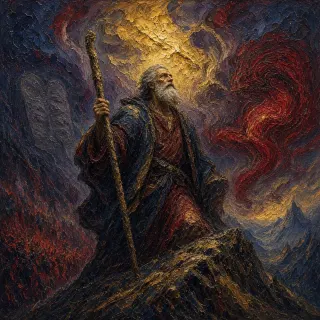

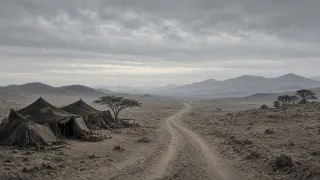
The last mountain comes with two commands, not one: go up, and die. Even Moses' final ascent belongs to the work of obedience. The Book of Deuteronomy does not soften the reason for it. At Meribah, Moses and Aaron failed to sanctify God before Israel; now Moses is given the same boundary Aaron had already reached. The brothers' service ends on different mountains, under the same sentence.
That selfsame day matters. Immediately before this command, Moses has told Israel that the words of the law are their life, and that through them their days may be prolonged in the land. Then the man delivering those words is told that his own days will end outside it. The contrast is severe, but the promise has not been cancelled. Twice these few verses call Canaan the land God gives to the children of Israel. Moses' exclusion does not turn Israel's inheritance into an abandoned plan.
There is also a permission inside the prohibition: yet thou shalt see. The summit is not the crossing, and the sight does not erase the judgment. Both are stated without disguise. Moses will climb far enough to behold the gift, but not far enough to possess it.