New · FreePlay The Witnesses The in-depth puzzle battle quest through Bible history

Places of the Bible

Kadesh-barnea

Eleven days from the mountain to the border, and thirty-eight years from the border to anywhere.

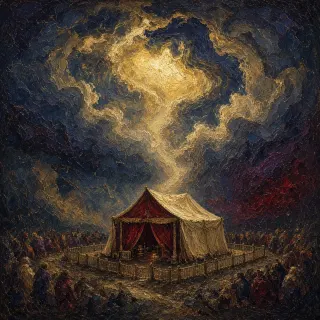
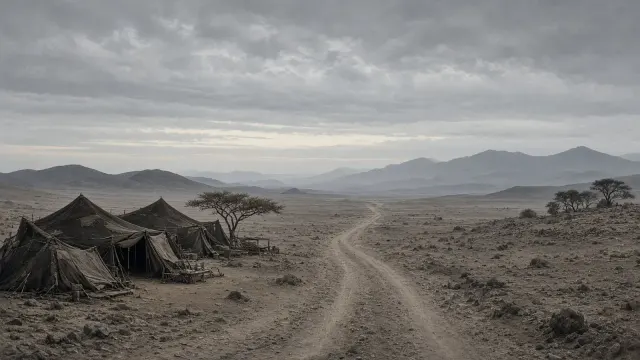
Deuteronomy opens by measuring the distance: there are eleven days journey from Horeb by the way of mount Seir unto Kadesh-barnea. The sentence is doing arithmetic on a wasted generation. This is the edge of the land, the place where the people are close enough to send men in and look, and the whole book of Numbers turns on what they do when the twelve come back carrying grapes that take two men to lift.

Where it appearsNumbers 13 to 14 · Numbers 20 · Deuteronomy 1

Scroll down to the account

The movements, in the order the text gives them.

The Account of Kadesh-barnea

  1. 01

    Numbers 13:23-27

    They bare it between two upon a staff

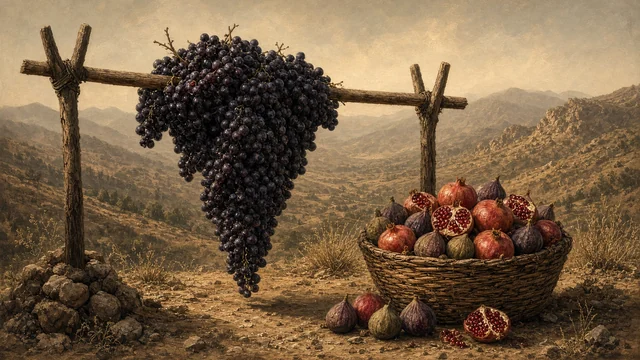
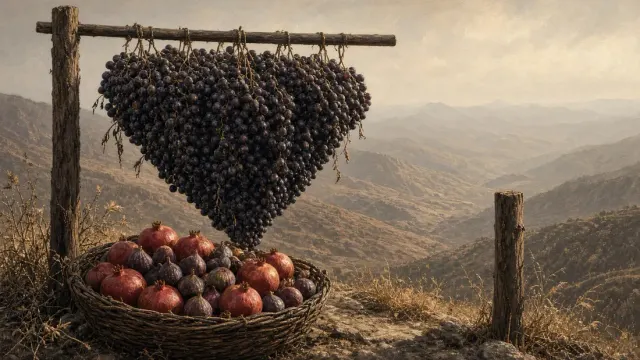
    The cluster from Eshcol needs two men to carry it, and the first half of the report agrees with the promise exactly.

    The evidence has to be carried by two men. Before the argument becomes a contest of speeches, there is a branch, a cluster, and a staff. The land's abundance is not merely something the scouts remember seeing. A piece of it is standing before the congregation.

    The grapes are not alone. Pomegranates and figs make the display a sample of a productive country rather than one spectacular curiosity. Moses had asked for fruit in verse 20, and the scouts have brought it. Their first conclusion also agrees with the promise: surely it floweth with milk and honey. The disagreement that follows is therefore not about whether the land is good. The men who oppose entering it have supplied evidence of its goodness themselves.

    Kadesh is the place where possession comes close enough to touch without becoming possession. Forty days of inspection have produced a favorable assessment of the soil, but reconnaissance cannot decide whether God's promise is trustworthy. That is the question the debate introduces. The grapes do not change when the speeches turn darker. They remain the same fruit, carried out of the same country. The argument will have to take place with the evidence still present.

    Verse by verse

    1. 13:23

      The text specifies one cluster on a branch carried between two men. It supplies no weight or dimensions for the cluster.

    2. 13:24

      Eshcol means cluster. The verse itself explains the connection between the name and the fruit.

    3. 13:25

      The forty days measure the scouting expedition. Numbers 14:34 later uses that duration in announcing the judgment.

    4. 13:27

      Milk and honey describes agricultural abundance. Even the unfavorable report initially acknowledges the land's goodness.

    Numbers 13:23-27

    King James Version · 5 verses

    13:23And they came unto the brook of Eshcol, and cut down from thence a branch with one cluster of grapes, and they bare it between two upon a staff; and they brought of the pomegranates, and of the figs.

    13:24The place was called the brook Eshcol, because of the cluster of grapes which the children of Israel cut down from thence.

    13:25And they returned from searching of the land after forty days.

    13:26And they went and came to Moses, and to Aaron, and to all the congregation of the children of Israel, unto the wilderness of Paran, to Kadesh; and brought back word unto them, and unto all the congregation, and shewed them the fruit of the land.

    13:27And they told him, and said, We came unto the land whither thou sentest us, and surely it floweth with milk and honey; and this is the fruit of it.

    Numbers 13:23-27: They bare it between two upon a staff
  2. 02

    Numbers 13:31-33

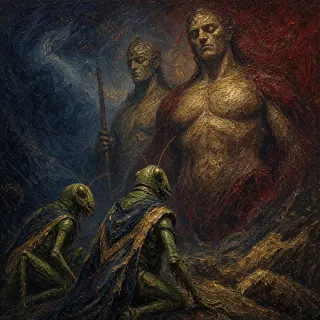
    We were in our own sight as grasshoppers

    The turn is one word, nevertheless. What follows is an estimate of themselves offered as an observation about giants.

    The report ends by claiming access to the other side's eyesight. In our own sight is something the scouts can report about themselves. So we were in their sight goes further: it presents the inhabitants' opinion as established fact. No conversation supplying that opinion is recorded here. The claim belongs to the frightened report, not to an independent statement that Israel really has become insect-sized.

    The language has expanded in every direction except Israel's. The people are stronger; the land devours its inhabitants; everyone seen is of great stature. The country that supplied grapes now has an appetite of its own. The Book of Numbers calls this an evil report, and 14:36 explicitly calls it slander. That evaluation matters. These sentences should not be lifted out as a neutral geographical survey.

    None of this requires pretending the cities are unwalled or the opponents unimpressive. Joshua and Caleb have walked through the same country. The division is over what those observations are allowed to settle. The majority treats the size of the inhabitants as a verdict on the possibility of entry. Grasshoppers is the closing image: an army reduced to insects before a battle has begun.

    Verse by verse

    1. 13:31

      These are the words of the scouts opposing Caleb. Their conclusion is not presented as the final judgment of the Book of Numbers.

    2. 13:32

      The Hebrew dibbah denotes a damaging or slanderous report. Numbers 14:36 makes the hostile character of the report explicit.

    3. 13:33

      The grasshopper comparison is a figure of relative size and vulnerability, not a literal measurement.

    4. 13:33

      No speech from the inhabitants is quoted to establish their opinion of Israel. The scouts themselves make that claim.

    Numbers 13:31-33

    King James Version · 3 verses

    13:31But the men that went up with him said, We be not able to go up against the people; for they are stronger than we.

    13:32And they brought up an evil report of the land which they had searched unto the children of Israel, saying, The land, through which we have gone to search it, is a land that eateth up the inhabitants thereof; and all the people that we saw in it are men of a great stature.

    13:33And there we saw the giants, the sons of Anak, which come of the giants: and we were in our own sight as grasshoppers, and so we were in their sight.

    Numbers 13:31-33: We were in our own sight as grasshoppers
  3. 03

    Numbers 14:6-9

    Their defence is departed from them

    Joshua and Caleb rend their clothes and argue the same facts to the opposite conclusion. The congregation proposes stoning them.

    The land has been accused of eating people. Joshua and Caleb answer by calling its people bread. The reversal is deliberate and vigorous: the image that made Israel the meal is turned against the supposed devourers. This is not a disagreement between observers who saw different countries. The two men are expressly identified as members of the same expedition.

    Their torn clothes prevent the speech from sounding like cheerful salesmanship. They are responding to rebellion, not trying to brighten an inconvenient meeting. The land is exceeding good, but its goodness alone is not their decisive argument. The LORD will give it, and the LORD is with Israel. They do not claim that favorable agriculture guarantees victory or that Israel has secretly become physically larger.

    Their defence is departed from them adds another concrete image. The Hebrew is their shadow: the covering under which a person is sheltered has gone. Set against it is the LORD's presence with Israel. The speech changes the measure of security from visible height to actual protection. Its opening prohibition, only rebel not, also names the issue plainly. The argument concerns obedience to the giver of the land, not the ability to manufacture a confident mood.

    Verse by verse

    1. 14:6

      Tearing clothes expresses grief or distress. Joshua and Caleb are not treating the confrontation as a routine disagreement.

    2. 14:8

      The land remains a gift in their speech. Confidence is attached to the LORD's favor and promise, not to superior Israelite size.

    3. 14:9

      Bread reverses the earlier claim that the land eats its inhabitants in Numbers 13:32. The imagery is figurative, not an instruction to consume people.

    4. 14:9

      Defence translates the Hebrew word for shadow or shade. Here it signifies protective covering.

    Numbers 14:6-9

    King James Version · 4 verses

    14:6And Joshua the son of Nun, and Caleb the son of Jephunneh, which were of them that searched the land, rent their clothes:

    14:7And they spake unto all the company of the children of Israel, saying, The land, which we passed through to search it, is an exceeding good land.

    14:8If the LORD delight in us, then he will bring us into this land, and give it us; a land which floweth with milk and honey.

    14:9Only rebel not ye against the LORD, neither fear ye the people of the land; for they are bread for us: their defence is departed from them, and the LORD is with us: fear them not.

    Numbers 14:6-9: Their defence is departed from them
  4. 04

    Numbers 14:26-35

    Your carcases shall fall in this wilderness

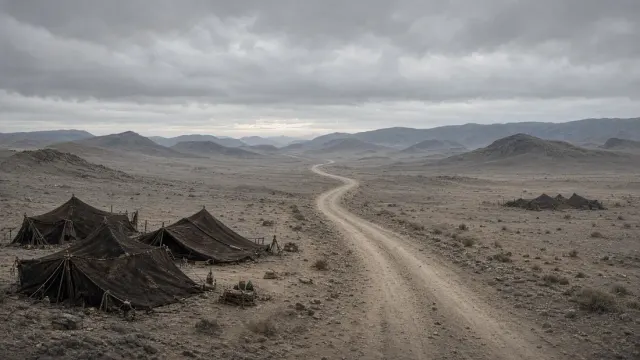
    The sentence is a year for a day, forty years for the forty days of searching, and it is addressed to everyone numbered from twenty upward.

    The sentence repeats the people's own wish, with the comfort removed from it. Earlier they had said they would rather have died in this wilderness. Now the LORD answers: as ye have spoken in mine ears, so will I do to you. What sounded like an accusation against the journey becomes the announced destination of a generation.

    Carcases is deliberately hard language. The passage does not describe a prolonged inconvenience but the deaths of the numbered rebels before entry into the land. Yet it separates them from the children they had called future prey. Those children will enter. Their parents' forecast is reversed at its most vulnerable point: the people supposedly being led to destruction will inherit, while those refusing the land will remain outside it.

    The forty days become forty years, an explicit measure of judgment rather than a general formula for decoding every biblical date. Even pardon, announced in verse 20, has not erased this consequence. The nation is not destroyed at once, and the promise is not transferred away from its children, but this generation loses its part in the entry. Hebrews 3:17-19 later joins the fallen bodies to unbelief. Kadesh is not remembered there as a failure to find the route. The road was not the obstacle.

    Verse by verse

    1. 14:28

      The wording answers the wish for death in the wilderness spoken in Numbers 14:2. The judgment deliberately echoes the complaint.

    2. 14:29

      The numbered group is identified as twenty years old and upward. Numbers 1:2-3 describes that census as men eligible for warfare.

    3. 14:31

      Prey repeats the parents' language in Numbers 14:3. The children receive the very land the adults have rejected.

    4. 14:34

      The Hebrew behind breach of promise concerns alienation or opposition, and its precise rendering is debated. The verse announces opposition to this rebellious generation, while verse 31 still promises entry to their children.

    5. 14:34

      The day-for-year correspondence is explicitly assigned to this judgment. The passage does not make it a universal rule for other dates.

    Numbers 14:26-35

    King James Version · 10 verses

    14:26And the LORD spake unto Moses and unto Aaron, saying,

    14:27How long shall I bear with this evil congregation, which murmur against me? I have heard the murmurings of the children of Israel, which they murmur against me.

    14:28Say unto them, As truly as I live, saith the LORD, as ye have spoken in mine ears, so will I do to you:

    14:29Your carcases shall fall in this wilderness; and all that were numbered of you, according to your whole number, from twenty years old and upward, which have murmured against me,

    14:30Doubtless ye shall not come into the land, concerning which I sware to make you dwell therein, save Caleb the son of Jephunneh, and Joshua the son of Nun.

    14:31But your little ones, which ye said should be a prey, them will I bring in, and they shall know the land which ye have despised.

    14:32But as for you, your carcases, they shall fall in this wilderness.

    14:33And your children shall wander in the wilderness forty years, and bear your whoredoms, until your carcases be wasted in the wilderness.

    14:34After the number of the days in which ye searched the land, even forty days, each day for a year, shall ye bear your iniquities, even forty years, and ye shall know my breach of promise.

    14:35I the LORD have said, I will surely do it unto all this evil congregation, that are gathered together against me: in this wilderness they shall be consumed, and there they shall die.

    Numbers 14:26-35: Your carcases shall fall in this wilderness
  5. 05

    Numbers 20:1-13

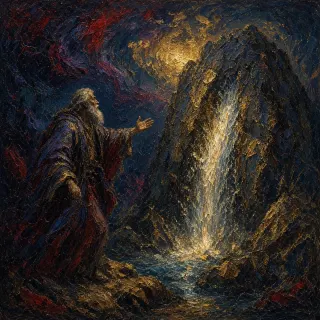
    Speak ye unto the rock

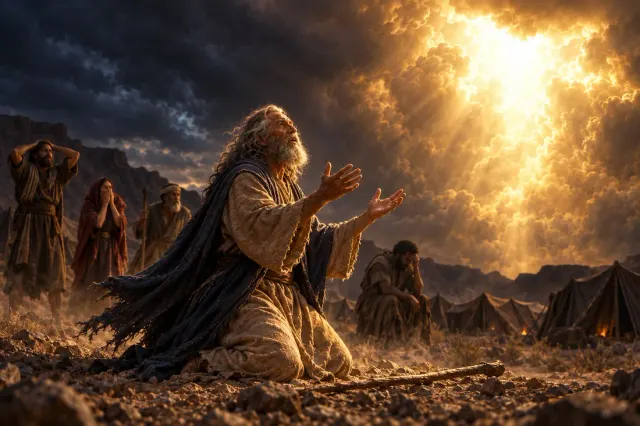
    They come back to the same place decades later. Miriam is buried here, the water fails, and Moses strikes what he was told to address.

    The water comes out abundantly. That detail must remain beside the judgment on Moses and Aaron, because a successful result does not settle whether the command was obeyed. The congregation drinks, the animals drink, and the leaders are told they will not bring this congregation into the land. Provision and disqualification occupy the same scene.

    The earlier rock episode makes the distinction sharper, not easier to dismiss. In Exodus 17:6, Moses was commanded to strike the rock. Here he is commanded to speak to it before the people's eyes. Taking the rod is obedient; turning it into two blows is not what the instruction says. The Book of Numbers then gives God's own explanation: they did not believe him so as to sanctify him before Israel. The problem cannot be reduced to an unlucky choice of technique.

    The congregation's list of missing produce also stings. Figs, vines, and pomegranates are precisely the kinds of fruit the scouts had carried from the land. Kadesh still holds the contrast between promised abundance and present barrenness. Miriam's death is recorded at the opening, but the passage supplies no interior explanation connecting that loss to Moses' conduct. Psalm 106:32-33 does connect the confrontation to his unadvised speech. The text gives enough to make the failure grave without inventing his private thoughts. The people receive water. Moses and Aaron receive a boundary.

    Verse by verse

    1. 20:1

      Miriam dies and is buried at Kadesh. The verse does not state how her death affected Moses' actions later in the chapter.

    2. 20:3

      Chode is an older past tense of chide, meaning quarreled or contended.

    3. 20:8

      The command is to speak to the rock. Exodus 17:6 had given a different command at the earlier water-from-the-rock encounter.

    4. 20:11

      Twice specifies the number of blows. The abundance of water does not cancel the adverse judgment in the following verse.

    5. 20:12

      Both Moses and Aaron are addressed. The stated reason is failure to believe and to sanctify God publicly, not simply the physical action viewed in isolation.

    6. 20:13

      Meribah is associated with contention. The place-name makes the dispute part of the location's remembered identity.

    Numbers 20:1-13

    King James Version · 13 verses

    20:1Then came the children of Israel, even the whole congregation, into the desert of Zin in the first month: and the people abode in Kadesh; and Miriam died there, and was buried there.

    20:2And there was no water for the congregation: and they gathered themselves together against Moses and against Aaron.

    20:3And the people chode with Moses, and spake, saying, Would God that we had died when our brethren died before the LORD!

    20:4And why have ye brought up the congregation of the LORD into this wilderness, that we and our cattle should die there?

    20:5And wherefore have ye made us to come up out of Egypt, to bring us in unto this evil place? it is no place of seed, or of figs, or of vines, or of pomegranates; neither is there any water to drink.

    20:6And Moses and Aaron went from the presence of the assembly unto the door of the tabernacle of the congregation, and they fell upon their faces: and the glory of the LORD appeared unto them.

    20:7And the LORD spake unto Moses, saying,

    20:8Take the rod, and gather thou the assembly together, thou, and Aaron thy brother, and speak ye unto the rock before their eyes; and it shall give forth his water, and thou shalt bring forth to them water out of the rock: so thou shalt give the congregation and their beasts drink.

    20:9And Moses took the rod from before the LORD, as he commanded him.

    20:10And Moses and Aaron gathered the congregation together before the rock, and he said unto them, Hear now, ye rebels; must we fetch you water out of this rock?

    20:11And Moses lifted up his hand, and with his rod he smote the rock twice: and the water came out abundantly, and the congregation drank, and their beasts also.

    20:12And the LORD spake unto Moses and Aaron, Because ye believed me not, to sanctify me in the eyes of the children of Israel, therefore ye shall not bring this congregation into the land which I have given them.

    20:13This is the water of Meribah; because the children of Israel strove with the LORD, and he was sanctified in them.

Why it matters

The report is not a lie. It is a land flowing with milk and honey, and the people are strong and the cities walled and very great. Ten men add a conclusion, we be not able, and one sentence about how they saw themselves: we were in our own sight as grasshoppers, and so we were in their sight. That is a statement about a view from the inside presented as a fact about somebody else. The verdict is that this generation will not enter, and the place where they refused becomes the place they stay, for thirty-eight years, until Miriam dies there and Moses strikes the rock.

4 songs

The music

Every song in the catalogue whose passage falls inside these chapters.

  1. Numbers 13-14

    Giants in the Land

  2. Numbers 13:1-14:45

    We Were as Grasshoppers

  3. Numbers 18:1-20:29

    Speak to the Rock

  4. Deuteronomy 1:1-46

    You Would Not Go Up

Nearby

All the places

Report an error on this page