


Numbers 10:11-13
The cloud was taken up
The signal to move is visual and absolute. They journey according to the commandment of the LORD by the hand of Moses, in the order set out.
Verse by verse
- 10:11
The departure is dated to the twentieth day of the second month of the second year. Numbers 1:1 dates the census command to the first day of that same month.
- 10:11
The testimony refers to the covenant testimony associated with the sanctuary. The tent is the tabernacle, not a private dwelling.
- 10:12
This verse gives a summary destination. The following chapters describe events and stages within the movement toward Paran.
- 10:13
By the hand of Moses means through his agency. It does not suggest that Moses physically moved the cloud.





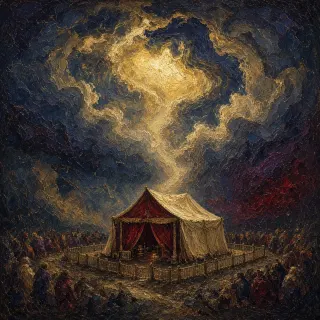





The signal to leave is above the tent, not in a speech about the advantages of moving. The cloud rises, and an entire camp must become a traveling people again. The date is exact because this is a departure within an ordered history, not a timeless picture of wandering.
The tabernacle of the testimony is the crucial physical detail. Sinai remains behind, but the sanctuary can be taken down and carried. The covenant is not being left at the mountain where it was made. The following verses describe the tribes setting out by their standards and the Levites transporting the structure and its holy furnishings. Movement has an arrangement. This is not a crowd dispersing into the desert and hoping to meet again.
The short summary gives both departure and arrival: the cloud lifts from Sinai and rests in Paran. The intervening episodes will supply the difficulties of that movement, but these opening lines identify its authority. According to the commandment of the LORD by the hand of Moses is not a decorative closing phrase. The cloud's direction and Moses' mediation belong together. Leaving Sinai is not departure from God's presence. The presence has given the signal to leave.