
Joshua
24 Chapters
Joshua: The Whole Book, Chapter by Chapter
The Servant Changes; the Commission Holds
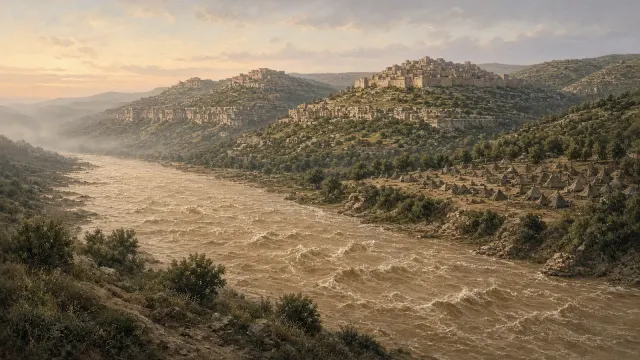
The Book of Joshua opens with a death that does not cancel a commission. Moses is gone, but the promise, the law, and the work of bringing Israel into the land continue under Joshua. God gives him real authority while binding that authority to what Moses commanded, so courage is required as much for obedience as for conflict. The chapter then turns immediately from great promises to provisions, officers, and obligations. Reuben, Gad, and half Manasseh already possess land east of Jordan, yet they must cross and help their brethren until the others receive rest too. Their answer publicly accepts Joshua's leadership and repeats the central condition of the chapter: the LORD must be with him as he was with Moses. The final command of courage therefore comes back to Joshua from the very people he is preparing to lead.
One complete chapter pageOpen chapter →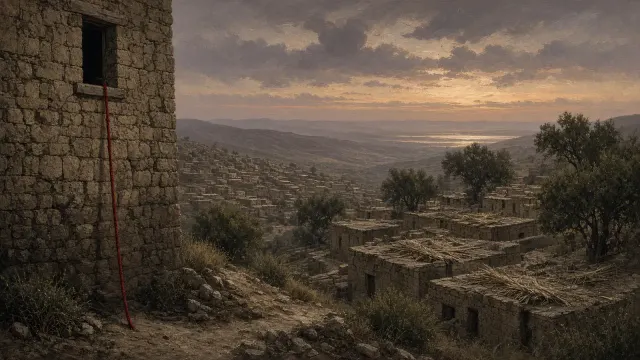
The Woman Inside Jericho Who Knows What Is Coming
Two unnamed spies enter Jericho, but Rahab becomes the chapter's central figure. She hides them when the king's agents arrive, redirects the search, and then supplies the intelligence that matters most. Jericho has heard of the Red Sea and the defeats of Sihon and Og, and fear has already hollowed out the city's confidence. Rahab interprets those events by confessing that Israel's God rules heaven and earth, then asks protection for her entire household. The escape through her wall-window becomes the place where a carefully defined oath is marked by a scarlet line. When the spies finally return to Joshua, they do not bring back a technical survey of Jericho's defences. Their conclusion largely echoes Rahab: the LORD has given the land, and its inhabitants are fainting. The woman inside the threatened city has effectively written the scouts' most important report.
One complete chapter pageOpen chapter →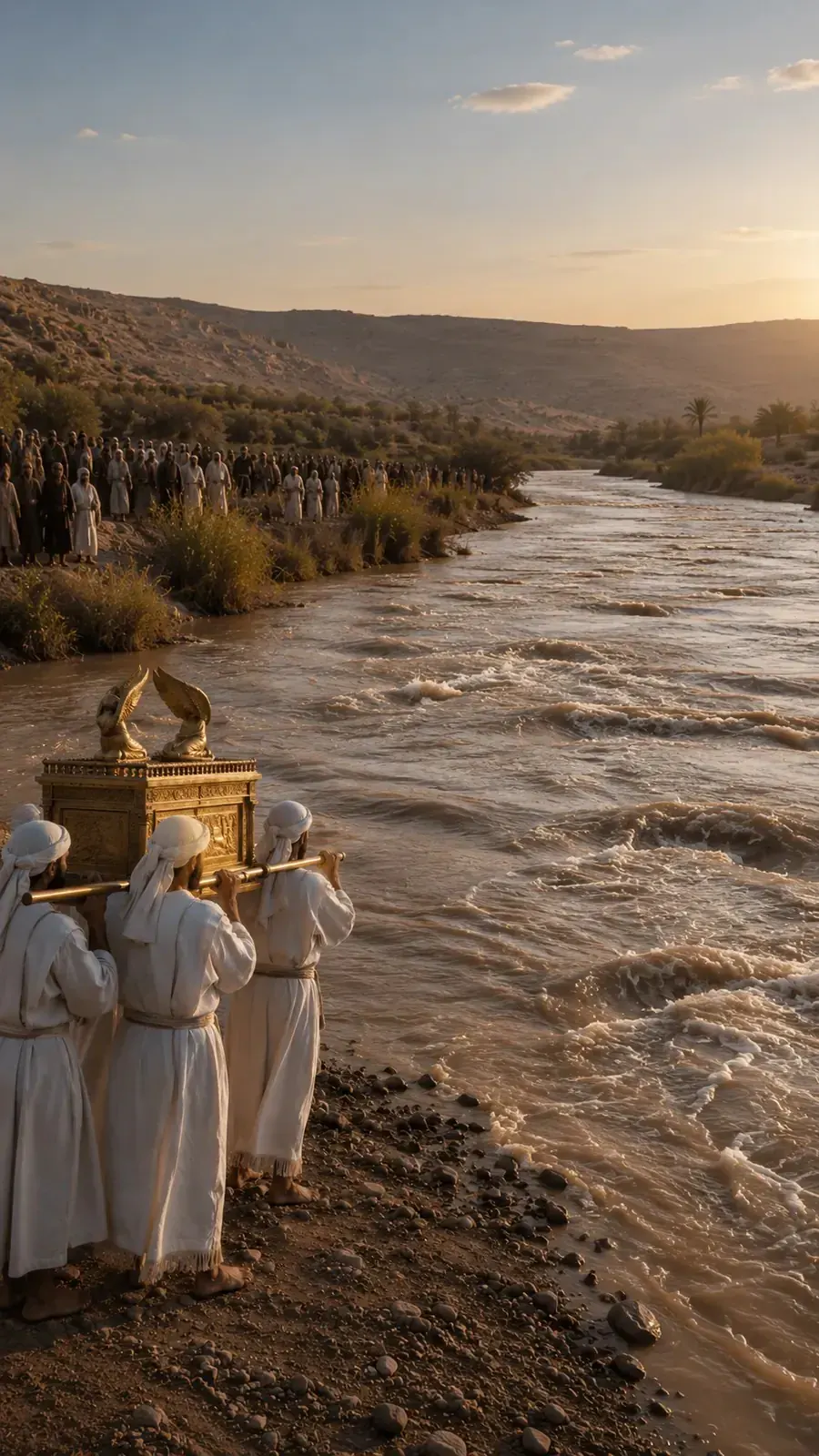
The Ark Stands Where the River Should Be
Israel reaches Jordan at flood stage and is told to follow the ark while keeping enough distance to see where it leads. The crossing is prepared as a holy event, but also as a public sign with several meanings. God says it will begin to establish Joshua before Israel, while Joshua says it will show that the living God is among them and will give the land. The ark belongs to "the Lord of all the earth," so the river is treated as no barrier to divine authority. When the priests' feet enter the overflowing water, the flow stops upstream and the people cross on dry ground opposite Jericho. The priests remain in the riverbed with the ark until everyone is safely over. The chapter's great image is therefore not frantic movement but a fixed centre: the ark standing where the river should be while the entire nation passes around it.
One complete chapter pageOpen chapter →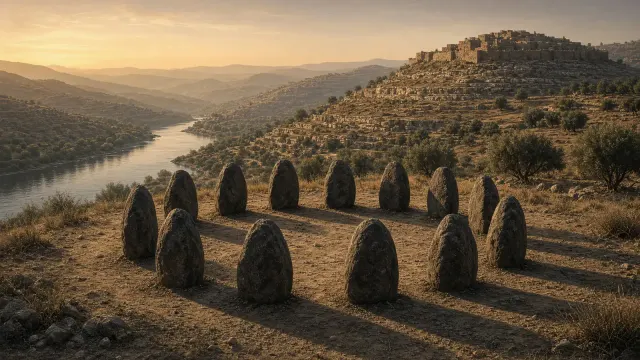
The River Closes, but the Evidence Stays
The crossing immediately becomes a problem of memory. Twelve men, one from each tribe, carry stones from the riverbed so future children can ask what they mean, while Joshua also sets stones where the priests stood. The memorial is designed to make later generations ask for an explanation, not to replace explanation. Meanwhile, the crossing is completed in the same ordered way it began. The eastern tribes fulfill their promise by crossing armed, Joshua is publicly magnified before Israel, the ark comes up only after the people are over, and the river returns when the priests' feet reach dry ground. At Gilgal, the stones are given two audiences. Israel's children are to know how the nation crossed Jordan, and the peoples of the earth are to know the might of the LORD's hand. The water closes, but the evidence is meant to keep speaking.
One complete chapter pageOpen chapter →
Before the Siege, the Covenant
The western kings have lost heart, yet Israel's first acts in the land are not attacks. The wilderness-born generation is circumcised and waits in camp to recover, placing covenant identity ahead of immediate military advantage. Israel then keeps Passover on the plains of Jericho and eats the produce of Canaan. Manna ceases without crisis because the people are no longer wandering through a place where daily wilderness provision is needed. The chapter ends by changing Joshua's own perspective before Jericho is confronted. An armed figure identifies himself as captain of the LORD's host, and Joshua's question about sides gives way to his own posture as a servant receiving orders on holy ground. The sequence is deliberate. Before siege comes covenant renewal, before continued provision comes ordinary food from the land, and before Joshua commands the next battle he must recognize a command higher than his own.
One complete chapter pageOpen chapter →
Jericho Falls, and One Household Is Brought Out
Jericho is tightly shut, but God speaks of the city as already given before Israel begins its strange seven-day procession. Priests, trumpets, the ark, armed men, a rear guard, controlled silence, and a timed shout make obedience more visible than conventional siegecraft. Before the wall falls, Joshua also defines what the victory will mean. The city is under a ban, Rahab's household is protected under the earlier oath, and precious metals belong to the LORD's treasury rather than to private soldiers. When the wall collapses, the account records both the severe destruction of Jericho and the deliberate rescue of Rahab and her family. The spies who once depended on her now bring her out. The city is burned, the reserved metals are deposited, and Joshua pronounces a curse on anyone who rebuilds Jericho. The chapter closes with Joshua's growing fame, while the warning about banned goods already points toward trouble inside Israel's own camp.
One complete chapter pageOpen chapter →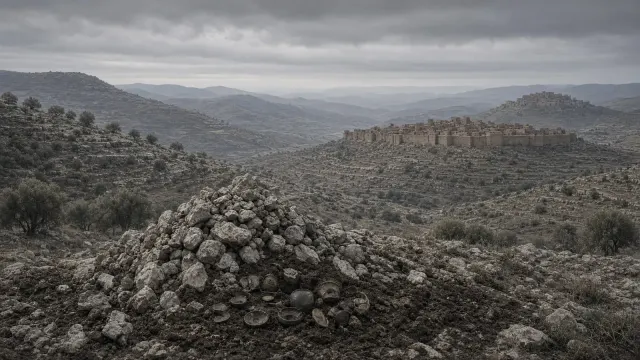
The Hidden Goods Become a Public Catastrophe
The reader learns about Achan's theft before Joshua learns why Israel loses at Ai. That gap drives the chapter. A small attacking force is routed, about thirty-six men die, and Israel's own hearts now melt in the language previously used of Jericho. Joshua and the elders mourn before the ark, but his prayer initially treats the crossing into Canaan as the problem. God's answer relocates the crisis inside the camp: Israel has taken, stolen, concealed, and placed banned goods among private possessions. A public process narrows from tribe to family to household to Achan, whose confession traces the movement from seeing to coveting to taking to hiding. The recovered garment, silver, and gold are laid openly before the LORD. Judgment follows in the valley of Achor, where a great heap of stones preserves the memory of trouble. The hidden offence becomes a national catastrophe before it becomes public evidence.
One complete chapter pageOpen chapter →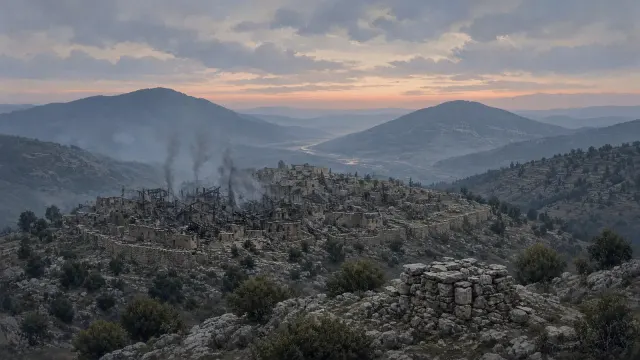
Ai Is Taken, Then the Law Is Heard
After Achan's judgment, God tells Joshua not to fear and sends Israel back against Ai with new instructions. This time livestock and spoil may be kept, making the contrast with Jericho unmistakable. The battle plan also changes completely. An ambush and feigned retreat use Ai's memory of Israel's earlier defeat against it, drawing the defenders away until smoke from the captured city reveals the trap. The destruction that follows is severe, but the handling of spoil and the removal of the king's body at sunset remain under specific commands. Then the chapter shifts abruptly from battle to covenant ceremony. At Mount Ebal, Joshua builds an altar of unworked stones, writes the law, and reads blessings and curses before the entire assembly. Leaders, women, children, and resident foreigners all stand within its hearing. Ai is taken, but the chapter's final image is not smoke. It is a whole people listening to the law that governs their inheritance.
One complete chapter pageOpen chapter →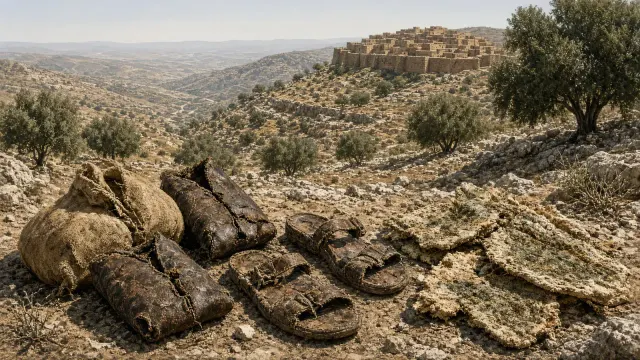
The Treaty Survives the Disguise
Gibeon responds to Israel's victories with a deception built out of worn-out objects. Old sacks, patched wineskins, old shoes, old garments, and dry bread make nearby people look like travelers from far away. Israel suspects the right problem and asks sensible questions, but the leaders accept the staged evidence without seeking counsel from the LORD. Joshua makes peace, and the princes swear an oath to let the visitors live. Three days later, geography exposes the fraud. The congregation is angry, yet the leaders refuse to solve their mistake by breaking a promise sworn in God's name. Gibeon survives, but under compulsory service as woodcutters and water carriers for the congregation and the altar. The chapter never calls the deception harmless, and it never treats the oath as disposable. Israel must now live with a covenant it entered carelessly, while the Gibeonites live under the burden that came with the survival they sought.
One complete chapter pageOpen chapter →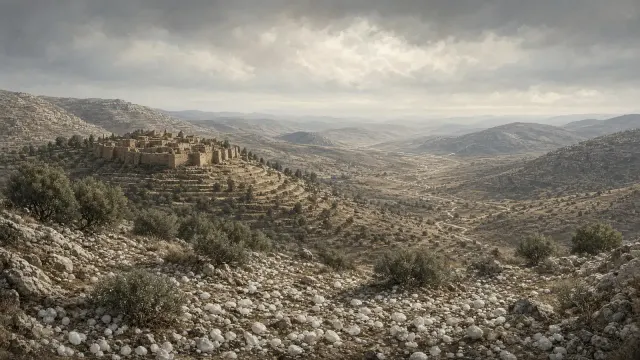
The Battle for the City Israel Had Sworn to Spare
The treaty with Gibeon immediately becomes costly when five Amorite kings attack the city for making peace with Israel. Joshua marches through the night to relieve the ally Israel had sworn to spare, and the campaign expands from surprise attack to hailstones and the extraordinary delay of sunset. The account repeatedly insists that the LORD fights for Israel even while Joshua's army marches, pursues, traps, and attacks. Five kings hide in a cave that becomes first a prison and later their tomb, while successive city captures push the southern campaign across the region. The repeated formulas create a sweeping victory record, but small differences remain important: not every city falls in exactly the same way, and defeating Gezer's king does not equal capturing Gezer itself. The chapter closes by gathering the campaign into one explanation and one return. The LORD fought for Israel, and Joshua brings the army back to Gilgal.
One complete chapter pageOpen chapter →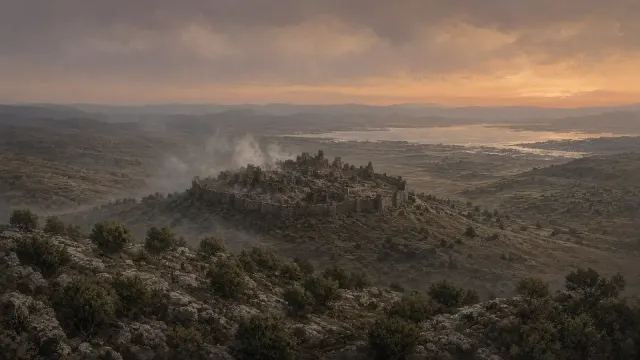
The Northern Coalition Falls; the Land Rests from War
A northern coalition gathers a far larger force, complete with many horses and chariots, but the command to Joshua remains familiar: do not fear. Israel attacks suddenly at Merom, and captured military resources are not simply absorbed. Horses are disabled and chariots burned under direct instruction. Hazor, the coalition's leading city, is also treated differently from the others. It is burned, while the chapter explicitly says Israel did not burn every captured city. The summary of the campaign then slows its own pace by saying Joshua fought these kings for a long time. Gibeon stands as the only city named here as having made peace, and the continued resistance of the others is interpreted as divine hardening under judgment. Finally, the feared Anakim are removed from much of the hill country, though named coastal exceptions remain. The land rests from major war without the book pretending that every district has been fully occupied.
One complete chapter pageOpen chapter →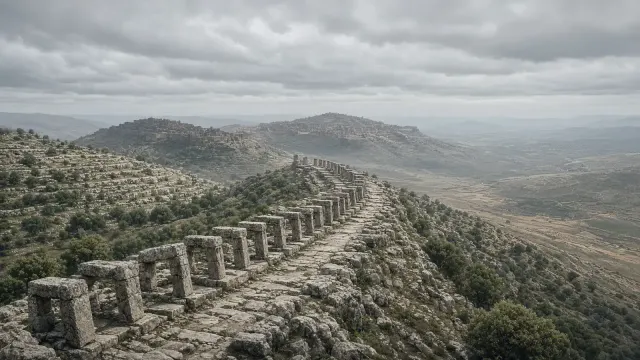
Thirty-One Kings, Counted One by One
Campaign narrative gives way to a register. The chapter first returns east of Jordan, where Moses defeated Sihon and Og and distributed their territories to Reuben, Gad, and half Manasseh. Those victories belong in the same inheritance record as Joshua's western campaigns, preserving continuity across both river and leadership change. West of Jordan, the list then becomes almost rhythmic: king after king is followed by the word "one." Jericho and Ai stand beside rulers whose battles were not given equal narrative space, because the register counts outcomes rather than dramatic importance. The total reaches thirty-one western kings, but the list does not claim that every named city was permanently occupied the moment its ruler fell. Jerusalem and Gezer already show why that distinction matters. The Book of Joshua has now counted defeated rulers and is ready to turn from military totals to boundaries, households, cities, villages, and the slower work of actually receiving an inheritance.
One complete chapter pageOpen chapter →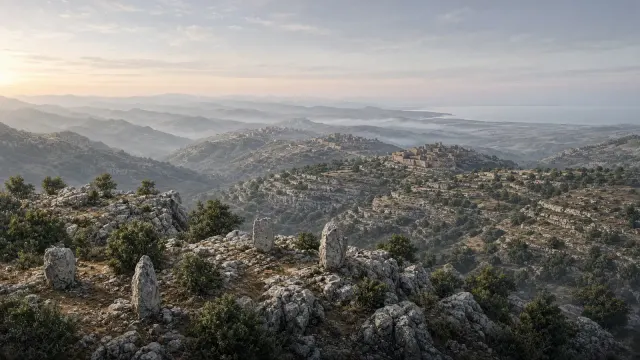
Much Land Remains, and Joshua Will Not Live Forever
Joshua is old, and much land still remains to be possessed. The next phase of the book begins by holding those facts together rather than hiding either one. Joshua must distribute territory that still contains peoples Israel has not expelled, because allotment cannot wait for his life or the conquest to become complete. The chapter then reviews the eastern inheritance already granted by Moses to Reuben, Gad, and half Manasseh, including explicit notices that some peoples remain there too. The tribal lists turn former kingdoms into family possessions through boundaries, cities, and villages, while even Balaam's death enters the land record as a reminder of the conflict behind possession. Levi repeatedly interrupts the geography with a different kind of inheritance, tied first to sacrificial provision and finally to the LORD himself. Israel's inheritance is therefore neither perfectly occupied nor perfectly uniform. It is allocated under promise while unfinished work and differing tribal roles remain visible.
One complete chapter pageOpen chapter →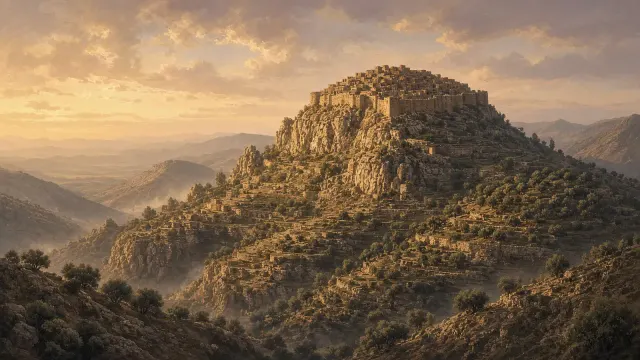
Caleb Asks for the Difficult Ground
The western allotments begin under shared authority: Eleazar, Joshua, and the heads of the tribal families administer land by lot under commands given through Moses. Into that orderly process Caleb brings a promise forty-five years old. Joshua knows the claim because he shared the original reconnaissance from Kadesh-barnea. Caleb recalls the report that melted Israel's heart, Moses' oath, and the verdict that he wholly followed the LORD. Now eighty-five, he does not ask for an easy parcel. He requests the hill country associated with Anakim and fortified cities, insisting that his strength remains while still making success depend upon the LORD's presence. Joshua grants Hebron, and the Book of Joshua itself repeats the reason: Caleb wholly followed the LORD God of Israel. The chapter closes with rest from major war, even though the next chapter will show that receiving an inheritance and fully occupying it are not the same event.
One complete chapter pageOpen chapter →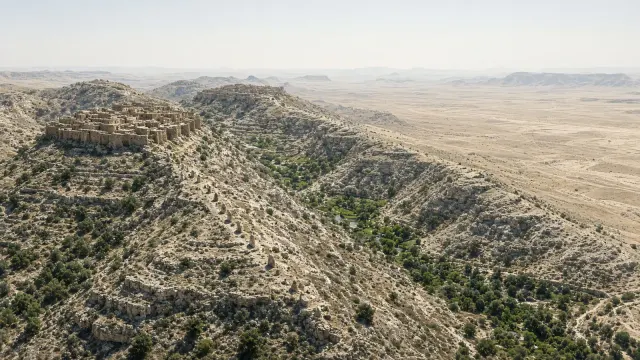
Judah's Boundaries, Achsah's Springs, and Jerusalem's Holdout
Judah's inheritance is drawn in remarkable geographic detail, with borders moving through seas, valleys, springs, hills, towns, and wilderness rather than forming a simple block. Inside that survey, Caleb's household gives the land a human scale. Anakim are driven from Hebron, Othniel takes Debir, and Achsah asks for springs because a southern field without water is an incomplete gift. The chapter then returns to long settlement lists, including a difficult numerical total in the southern group and many places previously known from battle accounts. Cities such as Lachish and Makkedah are now names in an inheritance, not merely objectives in a campaign. Yet the register also includes districts still not fully possessed. The final verse makes that limit impossible to miss: Judah cannot drive the Jebusites from Jerusalem. A vast allotment can be precisely described while its actual occupation remains unfinished.
One complete chapter pageOpen chapter →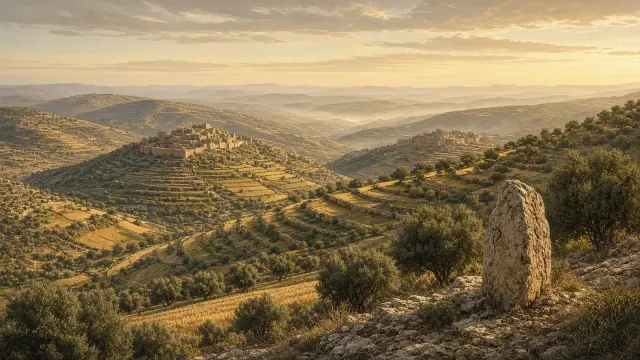
Joseph's Inheritance and the Canaanites Still at Gezer
Joseph's descendants receive a shared territorial framework before Ephraim's boundaries are traced more closely. The arrangement already resists an overly simple tribal map. Ephraim possesses separate cities and villages inside Manasseh's inheritance, showing that local holdings can overlap broader tribal territories without being identical claims. Gezer then becomes the chapter's closing test case for the difference between allotted land and completed possession. Canaanites remain there among the Ephraimites, but not as an undefeated force beyond Israel's reach. They serve under tribute. That makes the failure more exact. Ephraim has enough power to impose control while stopping short of the commanded expulsion. The Book of Joshua therefore ends this portion of the allotment record on an unresolved note. Boundaries are real, inheritance is real, and practical dominance is real, yet obedience remains incomplete inside the very territory Ephraim has received.
One complete chapter pageOpen chapter →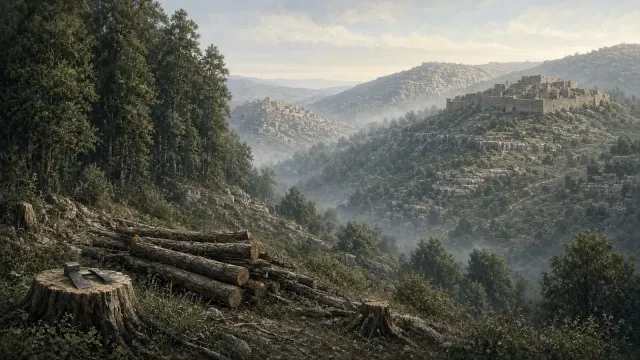
Five Daughters Claim a Promise; Joseph Asks for More
Joshua 17 keeps legal promise, complicated geography, and unfinished occupation in the same frame. Zelophehad's five daughters are named because an earlier ruling has now become actual property, not merely remembered precedent. Manasseh's borders then refuse to behave like simple walls: towns and surrounding lands can belong to different tribal arrangements, while Canaanites remain even after Israel grows strong enough to exact tribute. The chapter closes with Joseph's descendants calling themselves a great people and asking for more usable room. Joshua accepts the description and turns it back on them. Great numbers and great strength mean woodland can be cleared and strong opponents can be faced. The chapter is unusually practical about inheritance. Receiving land does not make every difficulty disappear, and claiming strength does not excuse a people from using it.
One complete chapter pageOpen chapter →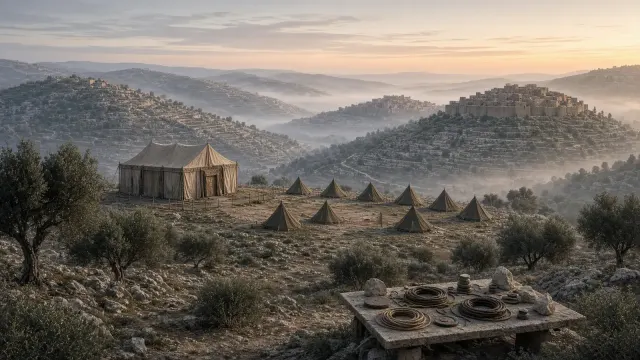
The Survey Comes Back to Shiloh
Joshua 18 opens with the tabernacle settled at Shiloh and seven tribes still unsettled in their inheritance. That tension drives the chapter. The land can be described as subdued while significant administrative work remains undone. Joshua answers delay with a survey: representatives walk the land, record it by cities, divide the description into seven parts, and return to Shiloh, where the lots are cast before the LORD. Benjamin's inheritance then demonstrates how relational these boundaries are. Its lines repeat landmarks already used for Judah and fit the tribe between Judah and Joseph. The city list adds another caution. Jericho, Gibeon, and Jerusalem appear together, but their earlier histories are not thereby made identical. The chapter treats maps and lists as precise claims about inheritance, not as shortcuts that erase what the book has already said about each place.
One complete chapter pageOpen chapter →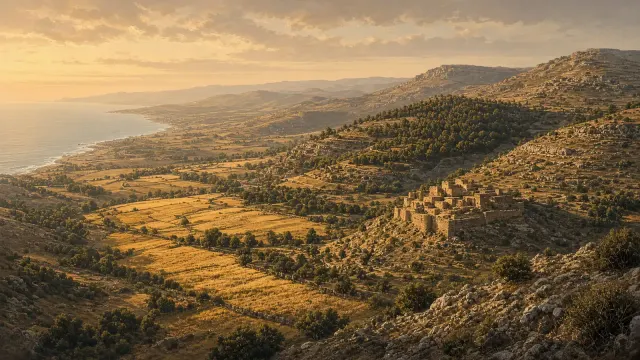
The Remaining Tribes Receive Land; Joshua Receives His Last
Joshua 19 completes the remaining tribal lots, but the completion is not mechanically uniform. Simeon's inheritance is deliberately carved from Judah's oversized portion. Zebulun, Issachar, Asher, and Naphtali are traced through northern borders whose place-names require attention to context, and one phrase in Naphtali's line remains genuinely difficult rather than being forced into certainty. Dan's allotted towns lead into a brief account of a second city taken and renamed, showing that a register can suddenly open into action. Only after the tribes have received their inheritances does Joshua receive the city he requested. The chapter then returns to Shiloh, Eleazar, the tribal heads, the tabernacle, and the lots cast before the LORD. Distribution ends where it has been administered publicly. Even Joshua, the man dividing the land, enters the finished map as a recipient rather than as its owner.
One complete chapter pageOpen chapter →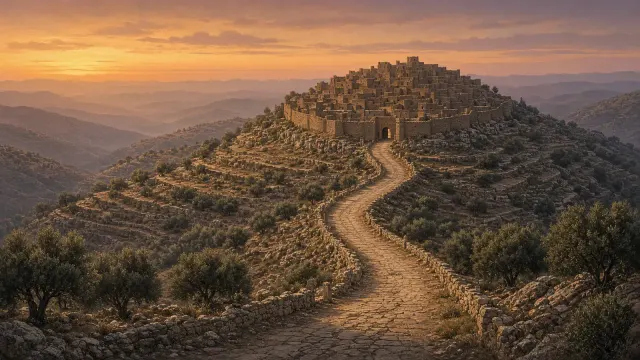
A Place to Live Long Enough for Judgement
Joshua 20 turns from who receives the land to what justice inside that land must look like. The cities of refuge are not places where death stops mattering. They keep an accused person alive long enough for intent to be judged, distinguishing unintentional killing from deliberate violence within the legal framework already given through Moses. The city gate provides an initial hearing, the congregation supplies judgement, and the person protected by refuge may still live under a serious restriction until the high priest dies. Six cities are named across both sides of Jordan, so eastern and western Israel share the same provision. The final verse expressly includes the stranger living among them. After so many chapters organized by tribal inheritance, the book pauses over a protection that is not limited to the bloodline receiving the land. Refuge preserves the possibility of judgement before vengeance becomes irreversible.
One complete chapter pageOpen chapter →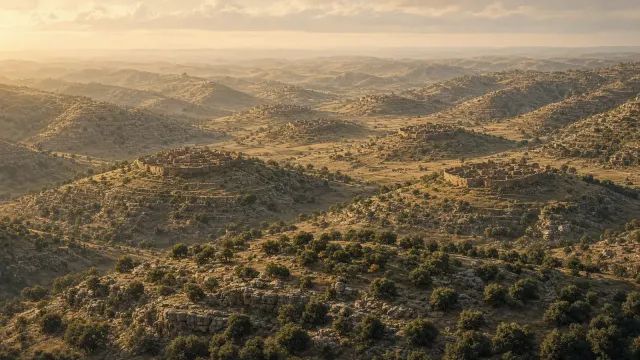
Forty-Eight Cities, and Not One Failed Promise
Joshua 21 finishes the distribution by giving the Levites what a tribe without a territorial block still needs: cities in which to live and surrounding land for livestock. The allocations are carefully organized among Aaron's priestly descendants, the remaining Kohathites, Gershon, and Merari, and the contributing cities come from tribes on both sides of Jordan. Repeated place-names require distinctions rather than confusion. Hebron can remain connected to Caleb's fields and villages, serve as a Levitical city, and function as a city of refuge because the chapter specifies the different claims. The six refuge cities reappear inside the Levitical network, tying provision for worship and provision for justice together geographically. The chapter then steps back from forty-eight individual cities to the whole promise: the LORD gave land, rest, and victory, and "all came to pass." The book's measure is fulfilled divine speech, not a monument to Joshua's reputation.
One complete chapter pageOpen chapter →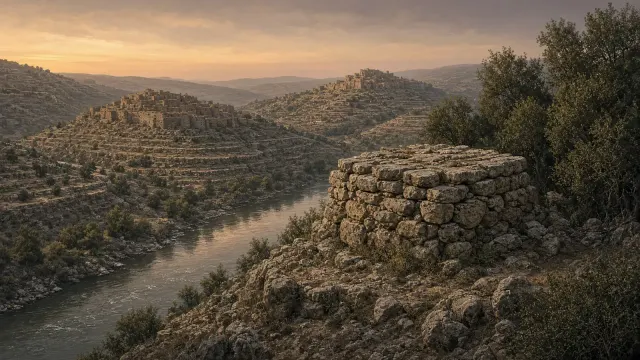
The Altar That Nearly Became a Battlefield
Joshua 22 begins with a homecoming and nearly ends in civil war. The eastern tribes are released with explicit praise because they kept their obligation to fight beside their brethren until the western tribes received rest. Their large altar near Jordan then creates a crisis of interpretation. The western tribes see a possible rival to the LORD's altar and prepare for war, carrying memories of Peor and Achan, where one group's sin brought consequences beyond itself. A delegation reaches the eastern tribes before the army does. The builders explain that the altar is not for sacrifice at all, but a visible witness meant to prevent future generations west of Jordan from denying their children a share in Israel's worship. Once that purpose is heard, the accusation is withdrawn. The same structure that looked like evidence of fracture becomes evidence against fracture. The chapter turns on the distance between seeing an object and knowing what it means.
One complete chapter pageOpen chapter →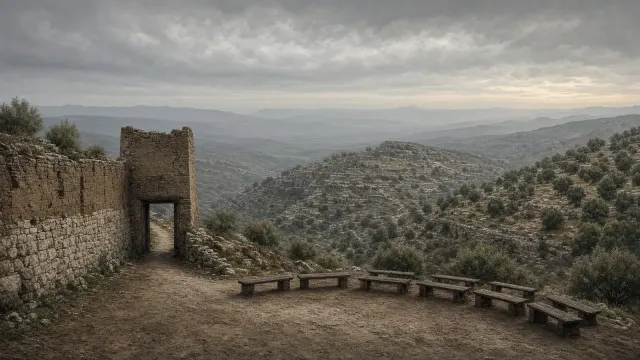
The Promise Is Kept, and the Warning Still Stands
Joshua 23 is a farewell speech that refuses to make Joshua the centre of the farewell. Old and near death, he directs Israel toward what the LORD has done, what the written law still requires, and what the remaining nations still mean. The language of Joshua's opening commission returns in the plural: courage, obedience, and refusal to turn aside are now the people's charge. The chapter also holds fulfilment and warning together without softening either. Not one good promise has failed, yet the same reliability that made the gift certain gives force to the covenant's threatened consequences. Israel is told to cleave to the LORD rather than transfer that attachment to the nations and their gods. The land is repeatedly called good even while expulsion from it is threatened. Joshua's approaching death changes the human leadership, but not the terms by which the inheritance was given or can be lost.
One complete chapter pageOpen chapter →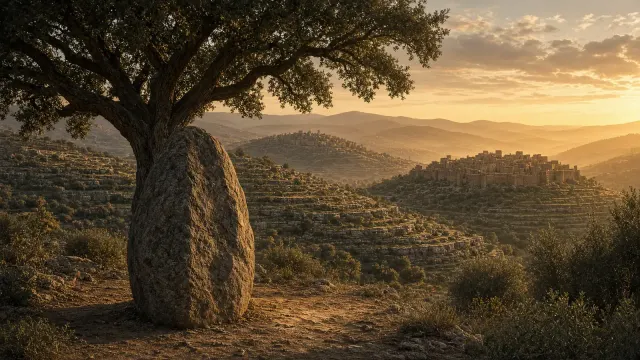
The People Answer, the Stone Witnesses, the Servants Rest
Joshua 24 gathers Israel at Shechem and stretches the final covenant scene across the whole history that brought the people there. The review begins before Abraham's call, when the ancestral household served other gods, then traces what the LORD took, gave, sent, delivered, and provided. That repeated divine action is the setting for "choose you this day." The choice is not presented as an isolated slogan about personal decision. It follows cities not built by Israel and vineyards not planted by Israel, and it concerns which god will receive the service of a people already living inside those gifts. Joshua then refuses to let the people's first answer close the meeting. God's holiness and jealousy, the danger of strange gods still among them, and the covenant consequences of forsaking him turn an enthusiastic pledge into a witnessed obligation. Joshua records the words, sets up a stone at Shechem, and sends everyone back to his inheritance. The book ends with Joshua, Joseph's bones, and Eleazar buried inside the land, joining recent leadership, an ancient promise, and priestly service in one final geography of fulfilment.
One complete chapter pageOpen chapter →Source: eBible.org · eng-kjv2006