

Lyrics · Exodus
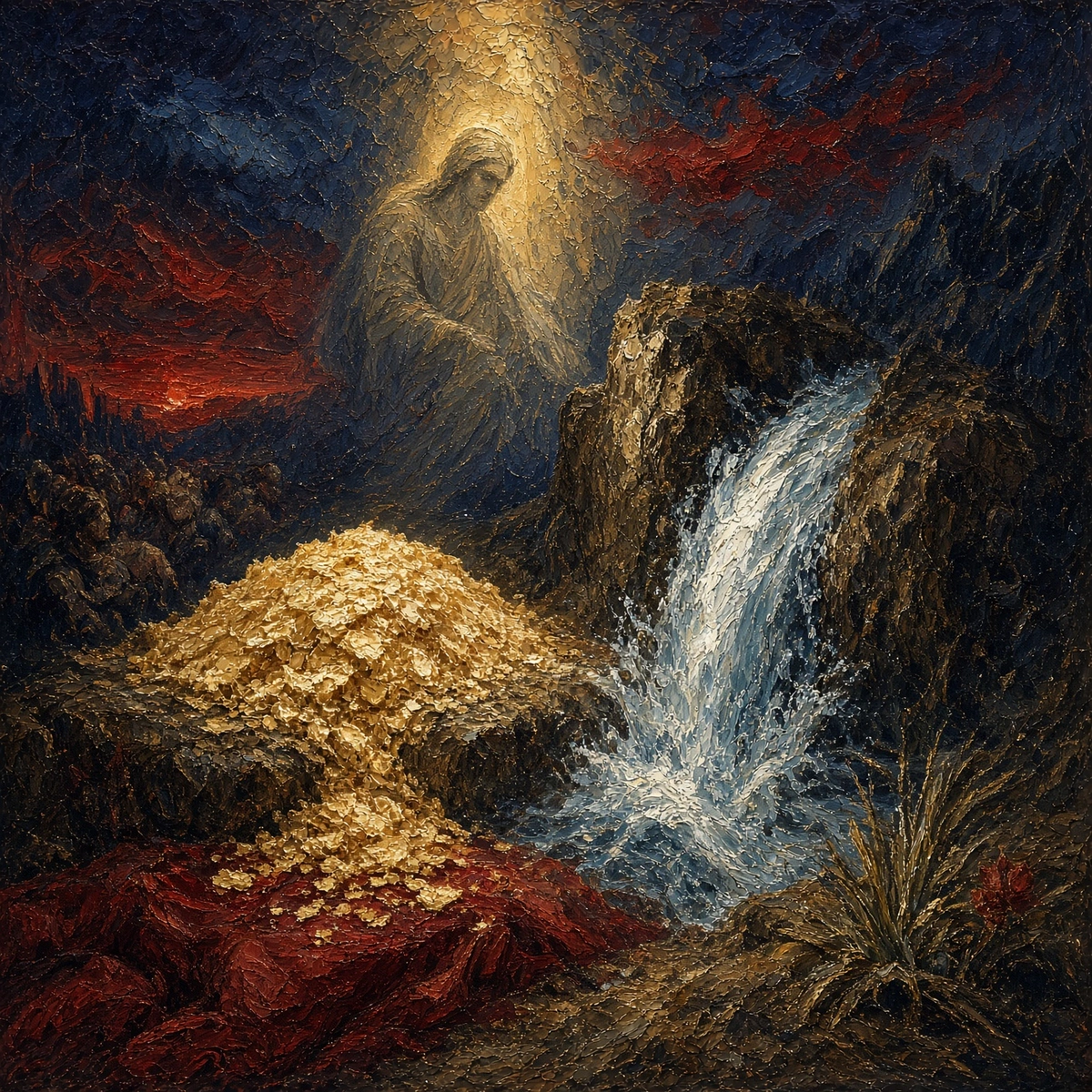
Bread from Heaven, Water from Stone
Exodus 15:22-17:16
Lyrics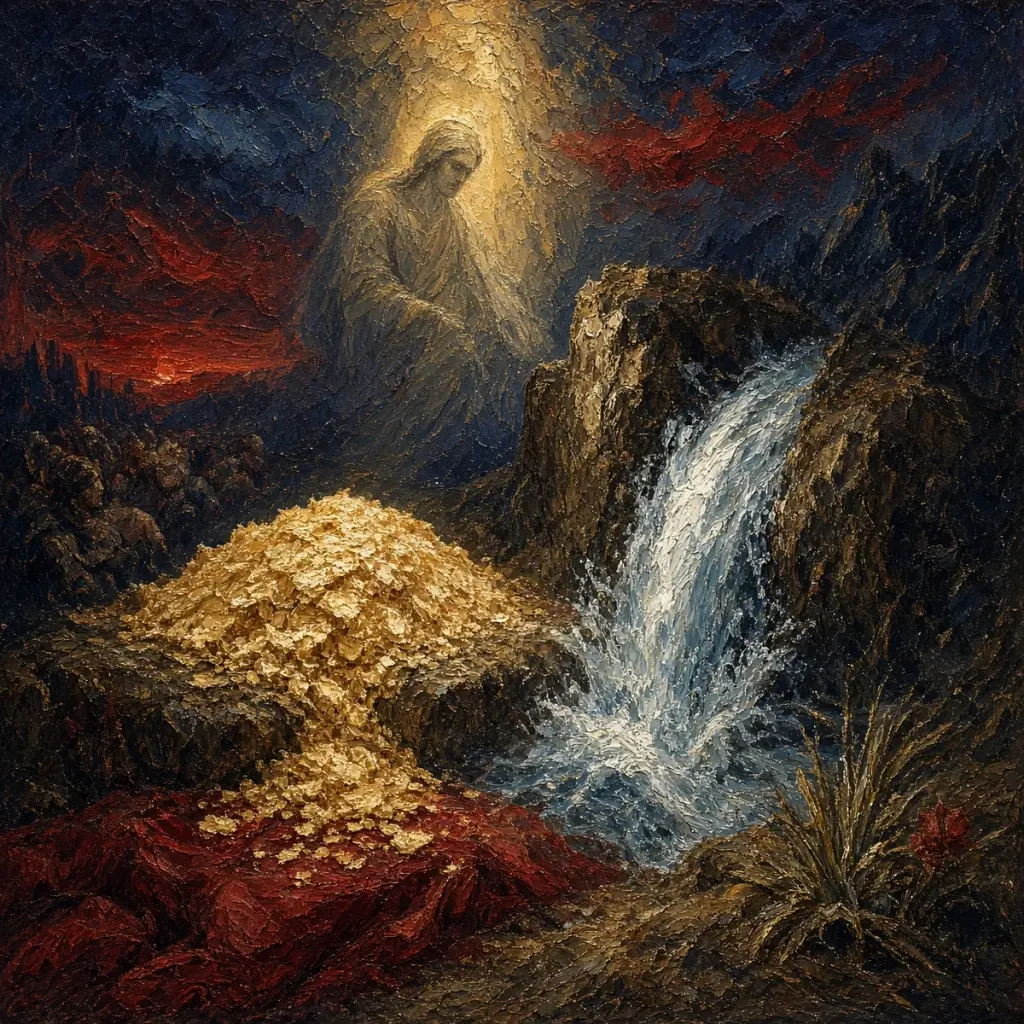
Playing next
About this song
About this song
This song belongs to the Exodus collection. One recording is available to play here, with the complete lyrics below.
- Bible book
- Exodus
- Collection
- Exodus
- Musical styles
- Uncategorized
Named in this songMarahMannaMosesStruck the rockHorebJoshuaAaron
About the passage
Exodus 15: A victory sung, then water too bitter to drink
Exodus 15 begins with Israel turning sight into song. The sea crossing is interpreted through praise that gives the victory to the LORD, contrasts the enemy’s many intentions with a single decisive act, and reaches forward toward a land the singers have not yet entered. Miriam then leads the women in a public response that repeats the song’s central line. The chapter refuses to let that high point remain suspended. Three days into the wilderness, there is no water, and the water at Marah cannot be drunk. The same people who sang of divine strength now face thirst. Provision comes with testing and instruction, and the chapter closes at Elim with twelve wells and seventy palms. The movement is from triumph to ordinary need without pretending the two belong to different kinds of faithfulness.
Study Exodus 15 in depthExodus 16: Bread arrives with instructions for tomorrow
Exodus 16 turns hunger into a test of memory as much as appetite. Israel remembers Egypt as a place of full bread and cooking pots, leaving the brick quotas out of the recollection, while the LORD answers the real need with quail and unfamiliar bread. Manna is not merely dropped into the camp as a supply. Its gathering is structured by household need, daily limits, and a sixth-day exception that prepares for Sabbath rest. Attempts to redesign the gift fail in opposite directions: ordinary portions kept overnight spoil, while people who go looking on the seventh day find nothing. The chapter then stretches beyond the first week by preserving a measured portion for generations not yet born and by noting that Israel ate manna for forty years. Daily food becomes both discipline and memorial, tangible enough to measure, taste, gather, lose, keep, and remember.
Study Exodus 16 in depthExodus 17: Water from the rock and hands held steady
Exodus 17 presents two crises that expose how dependent Israel remains after the sea. At Rephidim the people travel according to the LORD’s command and still arrive where there is no water, turning physical thirst into a challenge about whether the LORD is among them. Water then comes from a rock struck under explicit instruction and before witnesses. The second danger comes from Amalek. Joshua fights below while Moses stands above with the rod of God, yet Moses’ heavy hands require a stone, Aaron, and Hur to keep them steady until sunset. The victory is neither reduced to Joshua’s sword nor to Moses’ physical endurance. A written memorial and an altar named “the LORD is my banner” carry the encounter forward. The chapter joins real human action, real bodily limitation, and divine provision without letting any one of them pretend to be sufficient by itself.
Study Exodus 17 in depth