

Revelation 8:3-4
The prayers of all saints upon the golden altar
The sequence is interrupted before it starts, and the interruption is made of prayer rather than of power.
Verse by verse
- 8:3
The altar is explicitly placed before the throne. The setting joins sanctuary worship to divine rule rather than treating them as separate spheres.
- 8:4
The smoke rises with the prayers; the passage does not describe the angel as the person to whom the saints address their petitions.
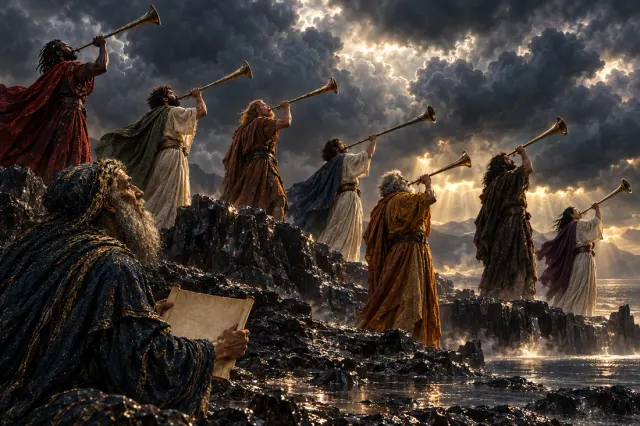
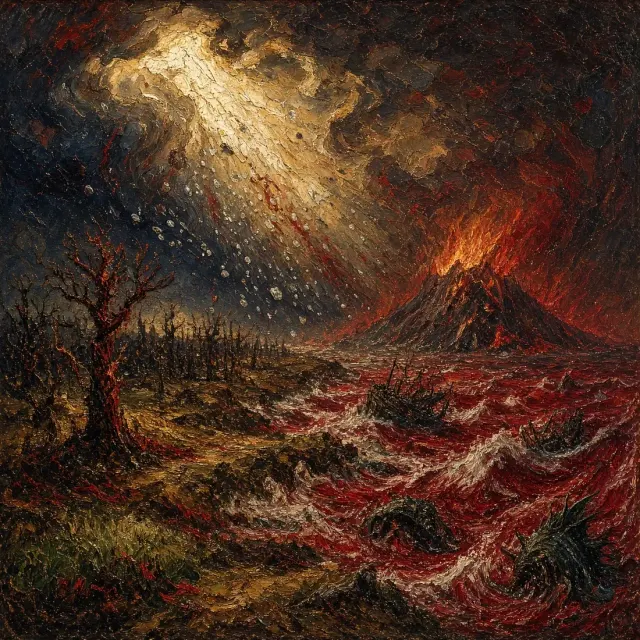
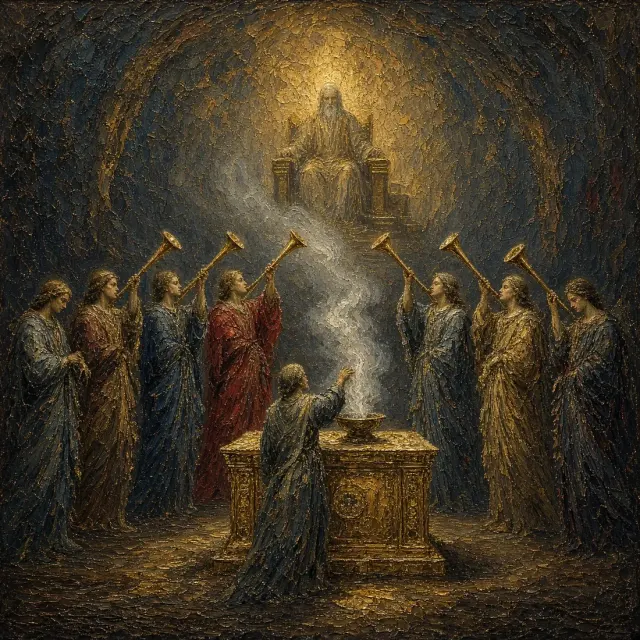
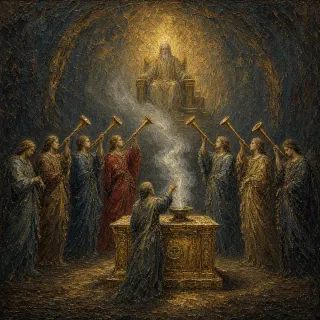
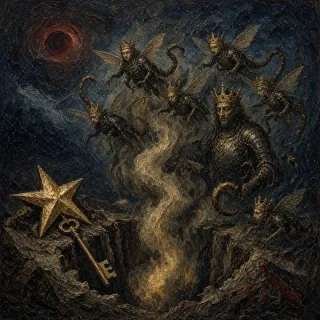


The trumpets have been handed out, but the angels do not sound them yet. First comes an altar, much incense, and the prayers of all saints. The Book of Revelation makes room for human petitions in the very machinery of judgment. The people who seem powerless on earth are not absent from heaven's proceedings.
All saints is the detail that keeps the scene from becoming an exclusive audience for especially impressive believers. No names or ranks are supplied. Their prayers arrive together before the throne, carried in imagery familiar from sanctuary worship. The angel is given the incense; even his contribution is received rather than independently manufactured.
The movement is upward, from the angel's hand to God's presence. The next movement, in verse 5, will be downward, as fire from the altar reaches the earth. Prayer and judgment occupy the same sequence. That does not turn prayer into a device for controlling God. It does mean that heaven's response to the world is not pictured as taking place in splendid indifference to the voices of the saints.