


2 Kings 4:11-17
What then is to be done for her
Asked what the woman needs, he answers accurately: she has no child and her husband is old. The promise made to her comes out of his observation.
Verse by verse
- 4:13
I dwell among mine own people answers an offer of powerful patrons. The woman does not ask Elisha to use his court connections for her.
- 4:14
Gehazi states that she has no child and that her husband is old. The verse does not give her age or a medical explanation for the childlessness.
- 4:17
The promise is fulfilled at the season Elisha named. The matching time language binds the announcement and the birth together.



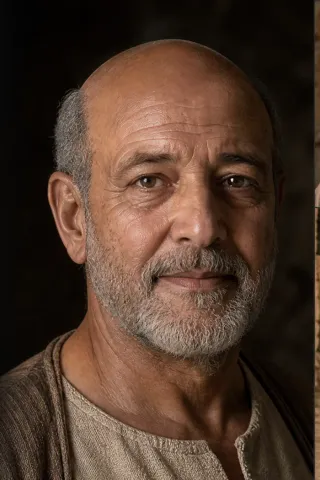

Gehazi supplies the observation that the conversation has been missing. Elisha offers influence with a king or an army commander; the woman replies that she lives among her own people. She has not provided hospitality as an application for royal assistance. When Elisha asks again what can be done, Gehazi names a different absence: no child, and an old husband. Court connections are not the answer to that.
This is useful, attentive service. Nothing in the passage authorizes turning Gehazi's contribution into a concealed scheme simply because his later conduct is known. He sees something relevant and says it. The woman, meanwhile, stands in the doorway to hear a promise that reaches beyond anything she requested. Her answer is not the polished gratitude expected at a presentation ceremony. Do not lie unto thine handmaid. The promise touches something serious enough that a pleasant falsehood would be cruel. The closing verse answers her protest with a birth, at the stated season.