
Lyrics · Genesis
Led to the Well
Genesis 23:1-25:18
Lyrics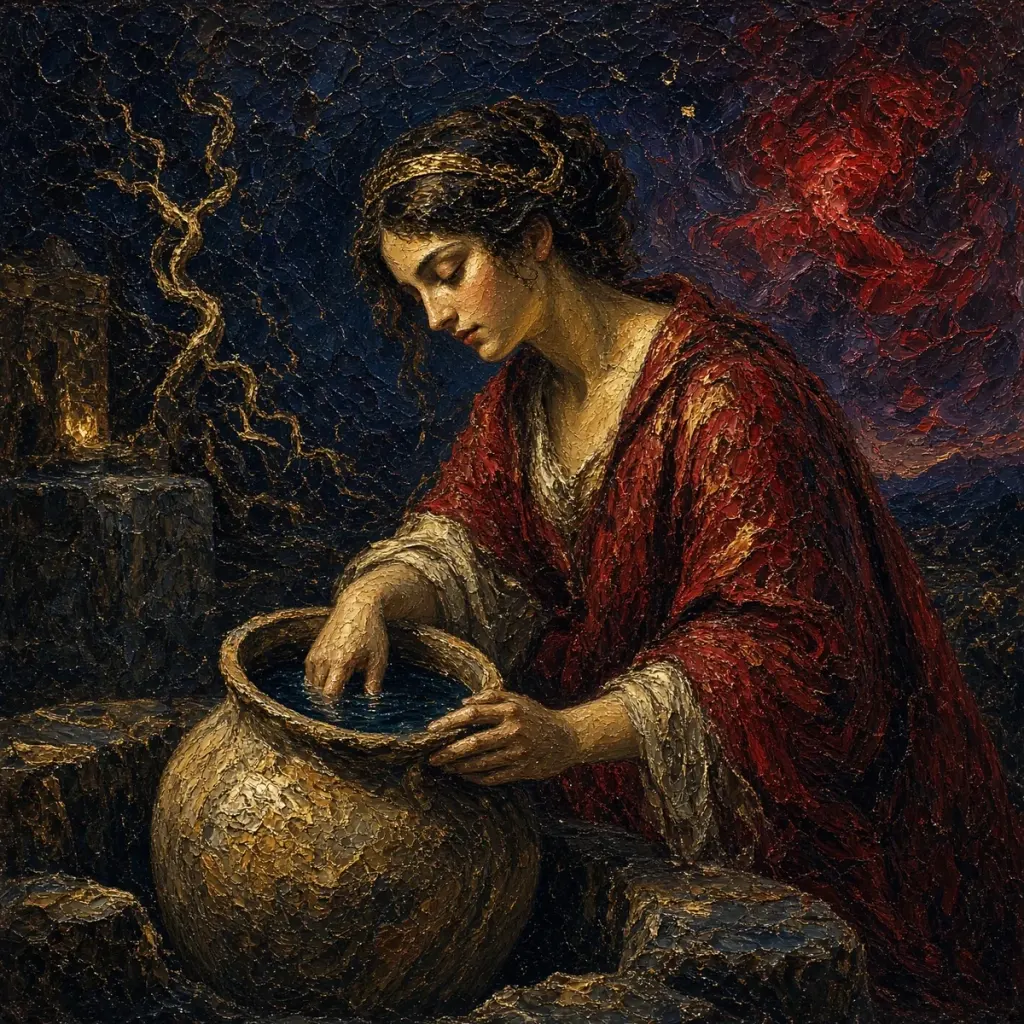
Playing next
About this song
About this song
This song belongs to the Genesis collection. One recording is available to play here, with the complete lyrics below.
- Bible book
- Genesis
- Collection
- Genesis
- Musical styles
- Electronic
Named in this songSarahHebronAbrahamCanaanRebekahIsaacIshmael
About the passage
Genesis 23: A burial place in the land of promise
Genesis 23 gives grief the dignity of stopping before business begins, then gives business unusual detail because burial requires an actual place. Sarah dies at Hebron, Abraham mourns, and only then rises to ask the local people for a permanent burial possession. He calls himself a stranger and sojourner in the very land promised to his descendants, while the sons of Heth call him a mighty prince. Courtesy fills the negotiation with Ephron, but Abraham insists on payment, the price is named, silver is weighed, and the property is described down to field, cave, trees, and borders. Sarah is buried only after the transfer is publicly established. The first secure holding emphasized in the promised land is therefore not a palace, pasture, or city. It is a grave, purchased before witnesses and made sure for a family still waiting on the larger inheritance.
Study Genesis 23 in depthGenesis 24: A pitcher, a promise, and a willing departure
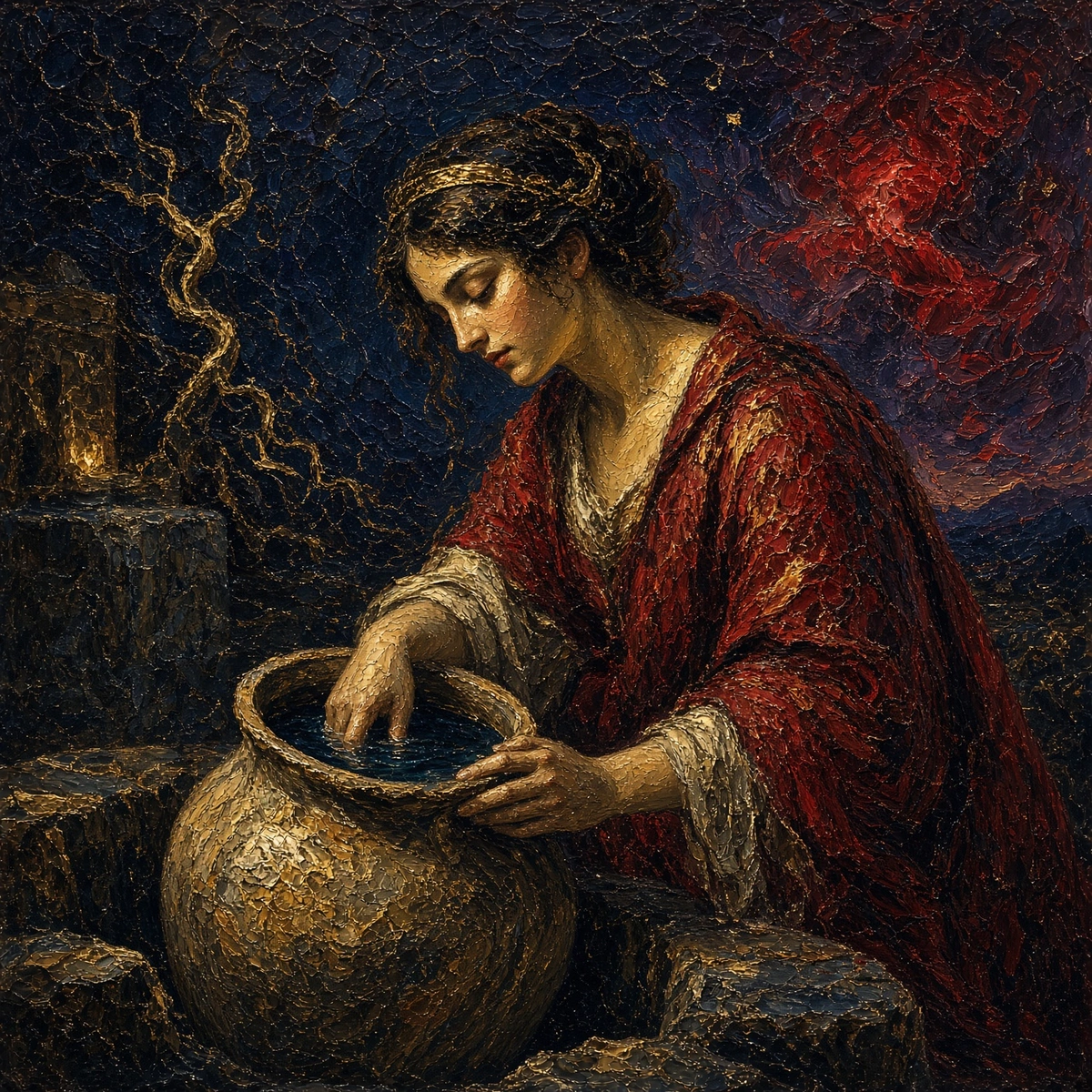
Genesis 24 slows down over one marriage because the next generation depends on more than finding an available bride. Abraham's servant must seek among the family without taking Isaac back out of the promised land, and the possibility that the woman might refuse is acknowledged from the beginning. At the well, the servant prays for a sign expressed through unsolicited generosity, then watches Rebekah do the hard work of watering ten camels. Kinship is verified, hospitality follows, and the servant refuses dinner until he has told the household why he came. His long repetition turns private events into testimony requiring a family decision. Laban and Bethuel agree, but Rebekah's own "I will go" receives a distinct place before departure. The chapter ends quietly: Isaac sees the camels coming, Rebekah enters Sarah's tent as his wife, and love and comfort become the final words after a chapter of oaths, travel, prayer, observation, and choice.
Study Genesis 24 in depthGenesis 25: One generation closes and two brothers contend
Genesis 25 closes Abraham's life without shrinking his family to Isaac alone. Keturah's descendants are named, other sons receive gifts, and Isaac receives the principal inheritance. When Abraham dies at one hundred seventy-five, Isaac and Ishmael stand together at Machpelah to bury him, and the blessing continues with Isaac after the father's death. Genesis then pauses over Ishmael long enough to show that the earlier promise of twelve princes has become twelve named sons with settlements and territory. Only after that branch is given its fullness does the account return to Isaac and Rebekah. Their twenty-year wait for children ends with twins struggling before birth and a word that the elder will serve the younger. The brothers grow into contrasting lives, their parents divide their affections, and Esau exchanges his birthright for one immediate meal. Genesis itself supplies the verdict: he despised the birthright.
Study Genesis 25 in depth