
El panorama
Éxodo 24 abre con “And he said unto Moses, Come up unto the LORD , thou, and Aaron, Nadab, and Abihu, and…”, cambia cerca del versículo 9 con “Then went up Moses, and Aaron, Nadab, and Abihu, and seventy of the elders of Israel:” y termina con “And Moses went into the midst of the cloud, and gat him up into the mount: and Moses was…”. Estos puntos trazan el movimiento propio del capítulo desde su inicio hasta su conclusión.
Las Escrituras junto al resumen
Éxodo · Versión King James · 18Éxodo 24:1-6
Versículos 1–6: He said unto Moses, Come up unto the LORD , thou, and Aaron, Nadab, and…
Éxodo 24:1–6 abre con “And he said unto Moses, Come up unto the LORD , thou, and Aaron, Nadab, and Abihu, and seventy…” y llega a “And Moses took half of the blood, and put it in basons; and half of the blood he sprinkled on…” en su último versículo. Ese recorrido desarrolla Escucha las advertencias, promesas y llamados a recordar que preparan al pueblo de Dios para lo que sigue a Éxodo.
Estudio profundo
Éxodo 24:1–6 forma una unidad literaria. Abre con “And he said unto Moses, Come up unto the LORD , thou, and Aaron, Nadab, and Abihu, and…”, gira cerca del versículo 3 con “And Moses came and told the people all the words of the LORD , and all the judgments: and…” y llega a “And Moses took half of the blood, and put it in basons; and half of the blood he sprinkled…”. La audiencia del pacto y la razón expresada para cada mandato muestran cómo se relacionan adoración, santidad, justicia, misericordia y responsabilidad comunitaria. Como control textual, el pasaje fuente KJV contiene 2 marcadores de discurso, 0 preguntas, 1 contrastes y 5 versículos que nombran al LORD o a Dios. Esos rasgos también pueden compararse con una traducción bíblica fiable en español.
Cada observación se relaciona con el enfoque de la lección, Escucha las advertencias, promesas y llamados a recordar que preparan al pueblo de Dios para lo que sigue a Éxodo. Algunas afirmaciones son directas, otras reúnen varios versículos y otras deben permanecer identificadas como interpretación.
Los nombres o términos que sostienen la escena son Moses, Israel, Aaron, Abihu, All, Come. El lenguaje numérico incluye one, twelve. El giro más cercano al centro aparece en el versículo 3: “And Moses came and told the people all the words of the LORD , and all the judgments: and all the people answered with one voice…” Ese detalle ayuda a distinguir el punto de partida de lo que ocurre después.
Recorrido versículo por versículo
- Exodus 24:1
“And he said unto Moses, Come up unto the LORD , thou, and Aaron, Nadab, and Abihu, and seventy of the elders of…” Nombrar a Aaron y Abihu mantiene el relato unido a personas o lugares concretos. Sigue dónde reaparece el nombre y qué cambia a su alrededor.
- Exodus 24:2
“And Moses alone shall come near the LORD : but they shall not come nigh; neither shall the people go up with him.” El mandato no se entiende solo por el verbo. El destinatario, el propósito y su lugar dentro del pacto o argumento definen la responsabilidad.
- Exodus 24:3
“And Moses came and told the people all the words of the LORD , and all the judgments: and all the people answered with…” El número one hace concreto el relato. Antes de decidir su peso, observa si mide tiempo, personas, distancia, repetición o totalidad.
- Exodus 24:4
“And Moses wrote all the words of the LORD , and rose up early in the morning, and builded an altar under the hill, and…” El número twelve hace concreto el relato. Antes de decidir su peso, observa si mide tiempo, personas, distancia, repetición o totalidad.
- Exodus 24:5
“And he sent young men of the children of Israel, which offered burnt offerings, and sacrificed peace offerings of oxen…” Nombrar a Israel mantiene el relato unido a personas o lugares concretos. Sigue dónde reaparece el nombre y qué cambia a su alrededor.
- Exodus 24:6
“And Moses took half of the blood, and put it in basons; and half of the blood he sprinkled on the altar.” Nombrar a Moses mantiene el relato unido a personas o lugares concretos. Sigue dónde reaparece el nombre y qué cambia a su alrededor.
Éxodo 24:1-6
Versión King James1And he said unto Moses, Come up unto the LORD , thou, and Aaron, Nadab, and Abihu, and seventy of the elders of Israel; and worship ye afar off.
2And Moses alone shall come near the LORD : but they shall not come nigh; neither shall the people go up with him.
3And Moses came and told the people all the words of the LORD , and all the judgments: and all the people answered with one voice, and said, All the words which the LORD hath said will we do.
4And Moses wrote all the words of the LORD , and rose up early in the morning, and builded an altar under the hill, and twelve pillars, according to the twelve tribes of Israel.
5And he sent young men of the children of Israel, which offered burnt offerings, and sacrificed peace offerings of oxen unto the LORD .
6And Moses took half of the blood, and put it in basons; and half of the blood he sprinkled on the altar.
Éxodo 24:7-12
Versículos 7–12: He took the book of the covenant, and read in the audience of the…
Éxodo 24:7–12 abre con “And he took the book of the covenant, and read in the audience of the people: and they said, All…” y llega a “And the LORD said unto Moses, Come up to me into the mount, and be there: and I will give thee…” en su último versículo. Ese recorrido desarrolla Escucha las advertencias, promesas y llamados a recordar que preparan al pueblo de Dios para lo que sigue a Éxodo.
Estudio profundo
Éxodo 24:7–12 forma una unidad literaria. Abre con “And he took the book of the covenant, and read in the audience of the people: and they said…”, gira cerca del versículo 9 con “Then went up Moses, and Aaron, Nadab, and Abihu, and seventy of the elders of Israel:” y llega a “And the LORD said unto Moses, Come up to me into the mount, and be there: and I will give…”. La audiencia del pacto y la razón expresada para cada mandato muestran cómo se relacionan adoración, santidad, justicia, misericordia y responsabilidad comunitaria. Como control textual, el pasaje fuente KJV contiene 3 marcadores de discurso, 0 preguntas, 0 contrastes y 5 versículos que nombran al LORD o a Dios. Esos rasgos también pueden compararse con una traducción bíblica fiable en español.
Cada observación se relaciona con el enfoque de la lección, Escucha las advertencias, promesas y llamados a recordar que preparan al pueblo de Dios para lo que sigue a Éxodo. Algunas afirmaciones son directas, otras reúnen varios versículos y otras deben permanecer identificadas como interpretación.
Los nombres o términos que sostienen la escena son Israel, Moses, God, Aaron, Abihu, All. El giro más cercano al centro aparece en el versículo 9: “Then went up Moses, and Aaron, Nadab, and Abihu, and seventy of the elders of Israel:” Ese detalle ayuda a distinguir el punto de partida de lo que ocurre después.
Recorrido versículo por versículo
- Exodus 24:7
“And he took the book of the covenant, and read in the audience of the people: and they said, All that the LORD hath…” El lenguaje de promesa, bendición o pacto necesita su destinatario y alcance. Esos detalles impiden separar del contexto una palabra personal de la historia.
- Exodus 24:8
“And Moses took the blood, and sprinkled it on the people, and said, Behold the blood of the covenant, which the LORD…” El lenguaje de promesa, bendición o pacto necesita su destinatario y alcance. Esos detalles impiden separar del contexto una palabra personal de la historia.
- Exodus 24:9
“Then went up Moses, and Aaron, Nadab, and Abihu, and seventy of the elders of Israel:” Nombrar a Aaron y Abihu mantiene el relato unido a personas o lugares concretos. Sigue dónde reaparece el nombre y qué cambia a su alrededor.
- Exodus 24:10
“And they saw the God of Israel: and there was under his feet as it were a paved work of a sapphire stone, and as it…” Nombrar a Israel mantiene el relato unido a personas o lugares concretos. Sigue dónde reaparece el nombre y qué cambia a su alrededor.
- Exodus 24:11
“And upon the nobles of the children of Israel he laid not his hand: also they saw God, and did eat and drink.” Nombrar a Israel mantiene el relato unido a personas o lugares concretos. Sigue dónde reaparece el nombre y qué cambia a su alrededor.
- Exodus 24:12
“And the LORD said unto Moses, Come up to me into the mount, and be there: and I will give thee tables of stone, and a…” Nombrar a Come y Moses mantiene el relato unido a personas o lugares concretos. Sigue dónde reaparece el nombre y qué cambia a su alrededor.
Éxodo 24:7-12
Versión King James7And he took the book of the covenant, and read in the audience of the people: and they said, All that the LORD hath said will we do, and be obedient.
8And Moses took the blood, and sprinkled it on the people, and said, Behold the blood of the covenant, which the LORD hath made with you concerning all these words.
9Then went up Moses, and Aaron, Nadab, and Abihu, and seventy of the elders of Israel:
10And they saw the God of Israel: and there was under his feet as it were a paved work of a sapphire stone, and as it were the body of heaven in his clearness.
11And upon the nobles of the children of Israel he laid not his hand: also they saw God, and did eat and drink.
12And the LORD said unto Moses, Come up to me into the mount, and be there: and I will give thee tables of stone, and a law, and commandments which I have written; that thou mayest teach them.
Éxodo 24:13-18
Versículos 13–18: Moses rose up, and his minister Joshua: and Moses went up into the mount…
Éxodo 24:13–18 abre con “And Moses rose up, and his minister Joshua: and Moses went up into the mount of God.” y llega a “And Moses went into the midst of the cloud, and gat him up into the mount: and Moses was in the…” en su último versículo. Ese recorrido desarrolla Escucha las advertencias, promesas y llamados a recordar que preparan al pueblo de Dios para lo que sigue a Éxodo.
Estudio profundo
Éxodo 24:13–18 forma una unidad literaria. Abre con “And Moses rose up, and his minister Joshua: and Moses went up into the mount of God.”, gira cerca del versículo 15 con “And Moses went up into the mount, and a cloud covered the mount.” y llega a “And Moses went into the midst of the cloud, and gat him up into the mount: and Moses was in…”. La audiencia del pacto y la razón expresada para cada mandato muestran cómo se relacionan adoración, santidad, justicia, misericordia y responsabilidad comunitaria. Como control textual, el pasaje fuente KJV contiene 2 marcadores de discurso, 0 preguntas, 0 contrastes y 3 versículos que nombran al LORD o a Dios. Esos rasgos también pueden compararse con una traducción bíblica fiable en español.
Cada observación se relaciona con el enfoque de la lección, Escucha las advertencias, promesas y llamados a recordar que preparan al pueblo de Dios para lo que sigue a Éxodo. Algunas afirmaciones son directas, otras reúnen varios versículos y otras deben permanecer identificadas como interpretación.
Los nombres o términos que sostienen la escena son Moses, Aaron, God, Hur, Israel, Joshua. El lenguaje numérico incluye six, forty. El giro más cercano al centro aparece en el versículo 14: “And he said unto the elders, Tarry ye here for us, until we come again unto you: and, behold, Aaron and Hur are with you: if any…” Ese detalle ayuda a distinguir el punto de partida de lo que ocurre después.
Recorrido versículo por versículo
- Exodus 24:13
“And Moses rose up, and his minister Joshua: and Moses went up into the mount of God.” Nombrar a Moses mantiene el relato unido a personas o lugares concretos. Sigue dónde reaparece el nombre y qué cambia a su alrededor.
- Exodus 24:14
“And he said unto the elders, Tarry ye here for us, until we come again unto you: and, behold, Aaron and Hur are with…” Nombrar a Aaron y Hur mantiene el relato unido a personas o lugares concretos. Sigue dónde reaparece el nombre y qué cambia a su alrededor.
- Exodus 24:15
“And Moses went up into the mount, and a cloud covered the mount.” Nombrar a Moses mantiene el relato unido a personas o lugares concretos. Sigue dónde reaparece el nombre y qué cambia a su alrededor.
- Exodus 24:16
“And the glory of the LORD abode upon mount Sinai, and the cloud covered it six days: and the seventh day he called…” El número six hace concreto el relato. Antes de decidir su peso, observa si mide tiempo, personas, distancia, repetición o totalidad.
- Exodus 24:17
“And the sight of the glory of the LORD was like devouring fire on the top of the mount in the eyes of the children of…” Nombrar a Israel mantiene el relato unido a personas o lugares concretos. Sigue dónde reaparece el nombre y qué cambia a su alrededor.
- Exodus 24:18
“And Moses went into the midst of the cloud, and gat him up into the mount: and Moses was in the mount forty days and…” El número forty hace concreto el relato. Antes de decidir su peso, observa si mide tiempo, personas, distancia, repetición o totalidad.
Éxodo 24:13-18
Versión King James13And Moses rose up, and his minister Joshua: and Moses went up into the mount of God.
14And he said unto the elders, Tarry ye here for us, until we come again unto you: and, behold, Aaron and Hur are with you: if any man have any matters to do, let him come unto them.
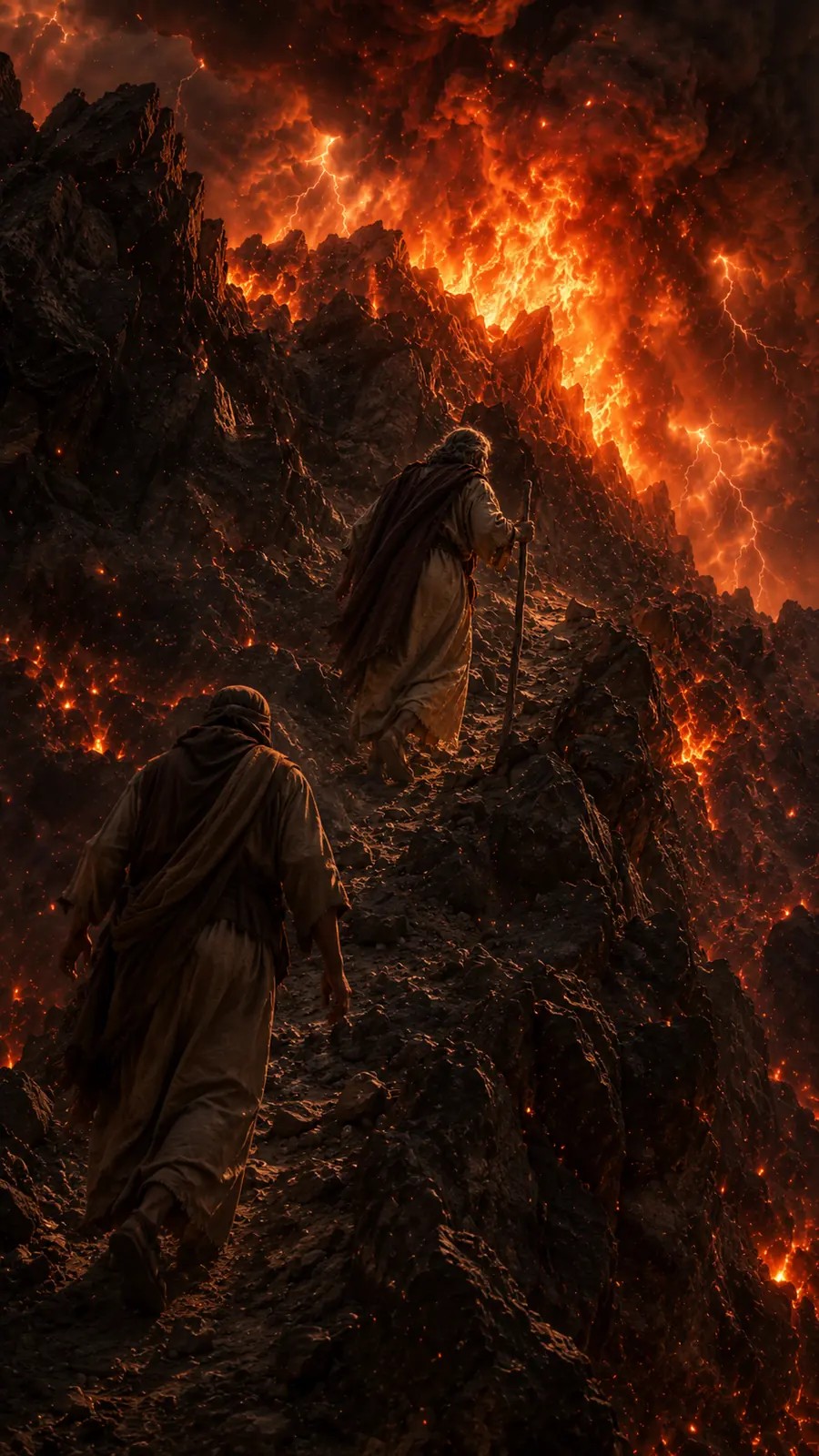
15And Moses went up into the mount, and a cloud covered the mount.
16And the glory of the LORD abode upon mount Sinai, and the cloud covered it six days: and the seventh day he called unto Moses out of the midst of the cloud.
17And the sight of the glory of the LORD was like devouring fire on the top of the mount in the eyes of the children of Israel.
18And Moses went into the midst of the cloud, and gat him up into the mount: and Moses was in the mount forty days and forty nights.
Preguntas para mantener presentes durante la lectura
- Identifica al pueblo destinatario y el marco del pacto.
- Distingue rescate, adoración, santidad, justicia y responsabilidad comunitaria.
- Lee los mandatos en su contexto literario y de pacto antes de aplicarlos hoy.
Primero el texto
Donde difieren los lectores
El resumen comienza con lo que dice el pasaje y cómo se relacionan sus partes. No supone que una denominación ya haya resuelto cada pregunta. Toda dependencia de una tradición, teoría literaria o reconstrucción histórica se identifica con claridad.
El texto KJV aparece primero. Las conclusiones interpretativas se identifican, y las diferencias se presentan cuando ayudan a explicar por qué las comunidades serias no siempre llegan a la misma respuesta.
Las notas interpretativas comparativas de este capítulo están en preparación. Hasta que las notas revisadas estén listas, esta página separa el texto KJV del resumen y la aplicación sin afirmar que todos los lectores serios coinciden en cada cuestión.
Preguntas bajo la superficie
- ¿Qué parte de Éxodo 24 te detiene, te incomoda o te sorprende, y por qué?
- ¿Qué detalle del pasaje sería fácil pasar por alto? ¿Cómo cambia ese detalle tu comprensión?
- ¿Dónde ves tensión entre lo que ocurre y este enfoque: Éxodo 24?
- ¿Qué pregunta importante deja abierta el pasaje en lugar de resolverla rápidamente?
Preguntas para una reflexión personal seria
Estas preguntas son deliberadamente abiertas. Permanece con la tensión del pasaje, responde con sinceridad y vuelve a la Escritura antes de llegar a una conclusión.
Observa sin apresurarte
¿Qué parte de Éxodo 24 te detiene, te incomoda o te sorprende, y por qué?
¿Qué detalle del pasaje sería fácil pasar por alto? ¿Cómo cambia ese detalle tu comprensión?
¿Dónde ves tensión entre lo que ocurre y este enfoque: Escucha las advertencias, promesas y llamados a recordar que preparan al pueblo de Dios para lo que sigue a Éxodo.?
¿Qué pregunta importante deja abierta el pasaje en lugar de resolverla rápidamente?
Examina tu interior con sinceridad
¿Con qué persona, respuesta, temor o deseo del pasaje te identificas más en este momento?
¿Qué suposición tuya acerca de Dios, de otras personas o de ti mismo pone a prueba este texto?
¿Qué parte preferirías suavizar, evitar o explicar demasiado rápido? ¿Qué podría revelar esa reacción?
Si esta Escritura pudiera hacerte una pregunta directa, ¿cuál crees que sería?
Responde con sabiduría y valor
¿Qué necesitarías recordar, confesar, lamentar, agradecer o confiar después de leer este pasaje?
¿Cómo podría otra persona fiel leer esta situación de manera diferente sin ignorar el texto?
¿Qué respuesta obediente sería costosa, incómoda o lenta, pero todavía fiel a la Escritura?
¿Qué pregunta llevarás a la oración esta semana y qué versículos mantendrás delante de ti?