
Browse the Bible · Old Testament

Haggai

Haggai opens with “Is It Time for You to Dwell in Cieled Houses” and carries its history toward “The Signet Ring.” Sixteen years after the foundation was laid, the temple is still a foundation and the people have moved on to panelling their own houses. He puts a legal riddle to the priests about whether holiness spreads by contact and whether defilement does, and gets the answer he was after: cleanness does not spread, uncleanness does.

Song artwork for Haggai

Follow the movement of Haggai

A clear path through the book’s major scenes, turning points, teachings, and lasting themes.

  1. 01

    Haggai 1:1–11

    Is It Time for You to Dwell in Cieled Houses

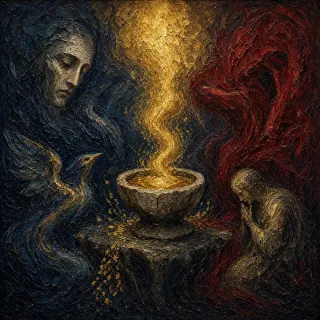
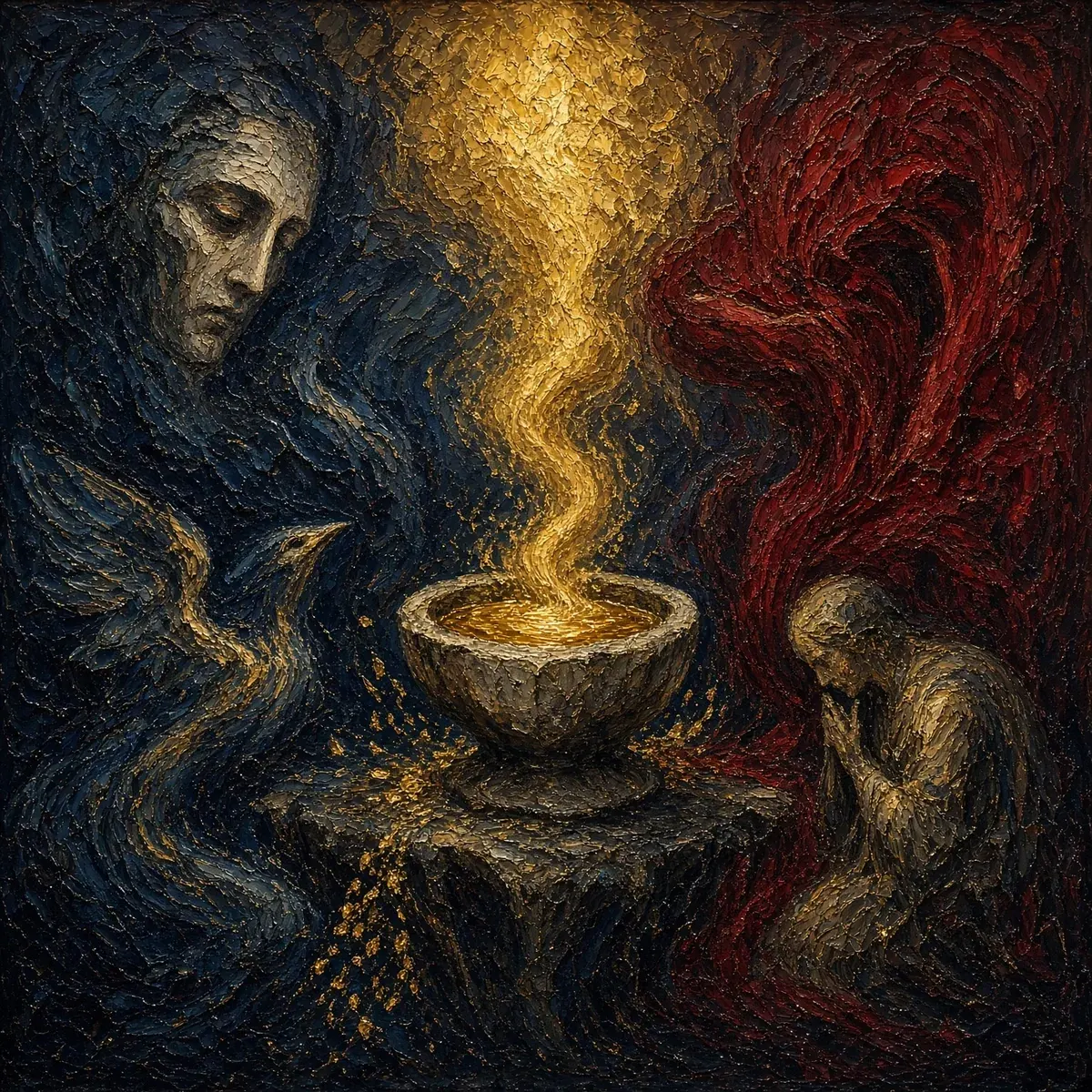
    Sixteen years after the foundation was laid, the temple is still a foundation and the people have moved on to panelling their own houses. The prophet quotes their excuse back at them: the time is not come. Consider your ways. You sow much and bring in little, you eat and are not filled, and he that earneth wages earneth wages to put it into a bag with holes.

    Study More

    Songs for this event
  2. 02
  3. 03

    Haggai 2:1–9

    The Glory of This Latter House

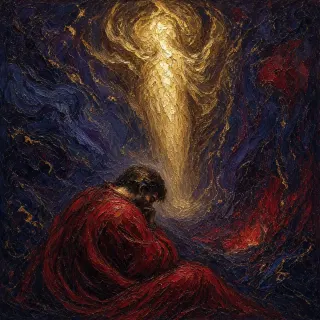
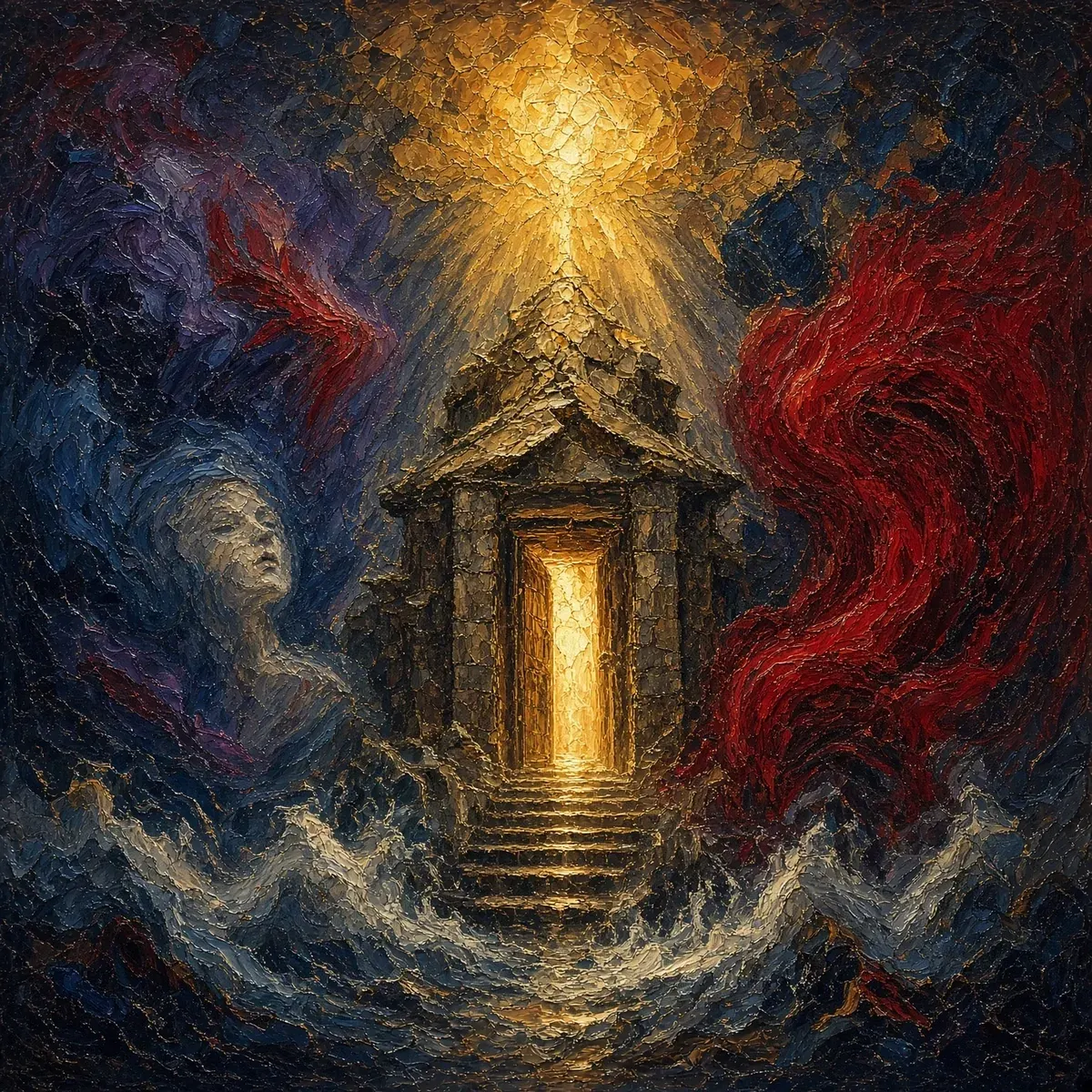
    A month in, the old men who saw Solomon’s temple are comparing, and the new one is nothing in their eyes. He does not tell them they are wrong about the size. He tells them to be strong and work, that the Spirit remains among them as promised when they came out of Egypt, that the silver and the gold already belong to God, and that the glory of this latter house shall be greater than of the former.

    Study More

    Songs for this event

  4. 04

    Haggai 2:10–23

    The Signet Ring

    He puts a legal riddle to the priests about whether holiness spreads by contact and whether defilement does, and gets the answer he was after: cleanness does not spread, uncleanness does. From this day, he says, I will bless you. The book ends on Zerubbabel, a governor under Persian authority with no crown of his own, told that he will be made as a signet ring, the seal that stamps a king’s own name.

    Study More

    Songs for this event

Study the History of Haggai

Move through an illustrated, spoken lesson with KJV references and media attached to the exact scenes they portray.

Listen to Haggai Songs

Play the book’s connected music without leaving the page, then open lyrics when you want to read more closely.

Now playing

Haggai, Definitive Edition

Haggai 1:1-2:23

Playing next

  1. Lyrics and song details
  2. Lyrics and song details
  3. Lyrics and song details
  4. Lyrics and song details
  5. Song details

Browse by Genre

Browse by Genre

Choose a musical style and keep exploring from there.

Browse music styles →
  1. Haggai, Definitive Edition

    Haggai 1:1-2:23

    (Acoustic)

    Play here
    Open Song PageRead lyrics
  2. Haggai (Consider Your Ways)

    Haggai 1:1-2:23

    (Pop)

    Play here
    Open Song PageRead lyrics
  3. Consider Your Ways

    Haggai

    (Acoustic)

    Play here
    Open Song PageRead lyrics
  4. From This Day the LORD Will Bless You

    Haggai

    (Acoustic)

    Play here
    Open Song PageRead lyrics
  5. The Glory of This Latter House

    Haggai

    (Electronic)

    Play here
    Open Song PageRead lyrics
  6. The LORD Is With You

    Haggai

    (Electronic)

    Play here
    Open Song PageRead lyrics
  7. Consider Your Ways

    Haggai 1:1-11

    Play hereOpen Song PageRead lyrics
  8. The LORD Is with You

    Haggai 1:12-15

    Play hereOpen Song PageRead lyrics
  9. The Glory of This Latter House

    Haggai 2:1-9

    Play hereOpen Song PageRead lyrics
  10. From This Day the LORD Will Bless You

    Haggai 2:10-23

    Play hereOpen Song PageRead lyrics

Watch Haggai Videos

Browse the book’s cinematic retellings, Scripture songs, short features, and full-length videos in a flexible visual library.

0:00 0:00

Now showing

Haggai Bible Song | Consider Your Ways

Haggai · 4:35

About this video

Choose a video

People, places and objects in this book

Every figure whose history runs through these chapters, each with a sheet of its own.