
2 Chronicles

36 Chapters
2 Chronicles: The Whole Book, Chapter by Chapter
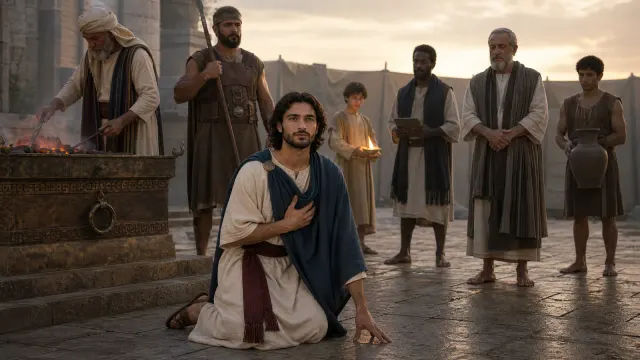
A King Asks for Wisdom Before He Builds
Solomon's reign opens with a deliberate return to inherited worship. Before describing chariots, precious metals, or trade, the Book of 2 Chronicles places the new king at Gibeon beside the tabernacle and altar associated with Moses and Bezaleel. There Solomon receives the startling invitation to ask, and his answer is measured by the people he must govern. He calls them God's people and asks for wisdom and knowledge adequate to that responsibility. God grants the request and adds the riches and honour Solomon did not make his object. The chapter then moves quickly into the visible enlargement of the reign: chariot cities, horsemen, abundant silver and gold, cedar, and commerce reaching beyond Israel. Material splendour comes last, after the source and purpose of the king's wisdom have already been named.
One complete chapter pageOpen chapter →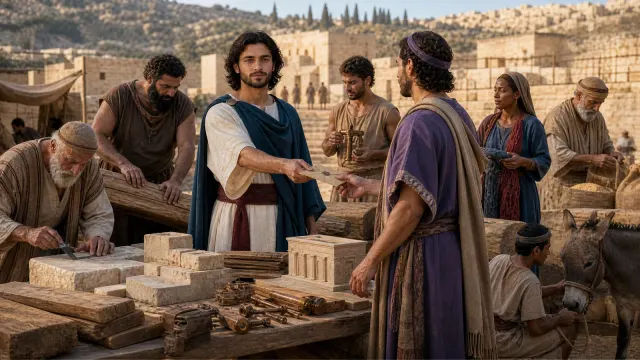
A House for the Name, Not a Container for God
The temple begins as both a theological claim and a massive practical undertaking. Solomon tells Huram that the house must be great because Israel's God is great, then immediately refuses the idea that any house could contain him. Its purpose is service before God, not confinement of God. That distinction sits beside requests for a craftsman who can move across metals, textiles, carving, and timber, along with crews experienced in Lebanon's forests. Huram answers with praise, personnel, and a shipping plan that still leaves Solomon responsible for moving the timber inland from Joppa. The chapter closes by identifying the resident foreign population assigned to the burden-bearing, cutting, and oversight behind the project. The great house is presented through worship, skill, food supplies, transport, and human labour all at once.
One complete chapter pageOpen chapter →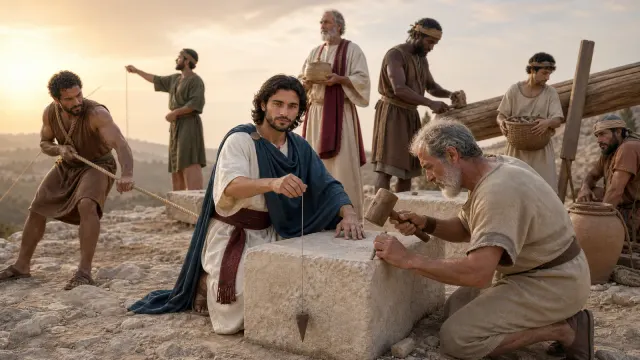
Gold Rises on Ground Marked by Mercy
The temple takes visible form on a site already loaded with memory. Before giving dimensions, the Book of 2 Chronicles identifies Mount Moriah and Ornan's threshing floor, the place connected with David's accepted sacrifice. From there the chapter moves through measurements, gold, precious stones, carved palms and cherubim, the square most holy place, immense winged figures, a coloured veil, and the paired pillars at the entrance. The splendour is ordered rather than vague. Inner rooms, boundaries, surfaces, and approaches each receive their own treatment. At the same time, several measurements remain difficult when compared with other biblical accounts, and the chapter itself does not solve every architectural question. What is secure is enough: Solomon builds with deliberate magnificence, the most restricted space receives extraordinary attention, and even the entrance is marked by named, ornamented pillars.
One complete chapter pageOpen chapter →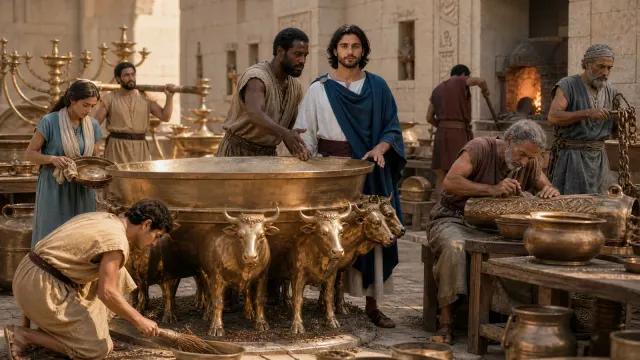
The Temple Is Equipped for Work
A finished sanctuary still needs equipment, and this chapter is interested in what the beautiful objects actually do. The great altar, the immense cast sea, and the ten lavers establish different places and purposes for sacrifice and washing. Lampstands and tables are arranged five on one side and five on the other, courts and doors are specified, and the sea itself is given a location rather than left as an isolated marvel. Huram's craftsmanship receives explicit credit as the inventory runs from monumental pillars and decorative pomegranates down to pots, shovels, and flesh hooks. The final gold furnishings belong to continual service: bread must be set out, lamps must burn, and those lamps require tools for tending. The chapter's abundance never floats free of function. A sanctuary prepared for worship is also a place of maintenance, placement, skilled manufacture, and repeated work.
One complete chapter pageOpen chapter →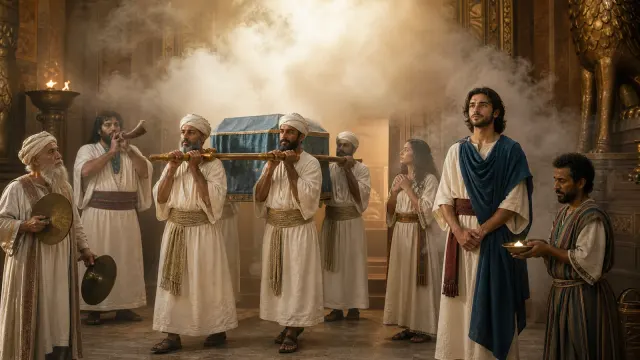
The House Is Finished, Then Filled
The house is finished, but the decisive moment is not the end of construction. David's dedicated treasures enter the new sanctuary, and the ark, tabernacle, and older holy vessels are brought up with public participation from Israel's leaders, priests, and Levites. The new building gathers what came before rather than pretending worship begins with Solomon. At the centre, beneath the cherubim, the ark contains the two tablets from Horeb, placing covenant testimony inside the most lavish room of the king's great project. Then singers, instrumentalists, and 120 trumpeting priests unite in praise of God's goodness and enduring mercy. Their carefully arranged service does not produce the chapter's climax by human skill. A cloud fills the house, the priests cannot continue ministering, and the Book of 2 Chronicles names the cause plainly: the glory of the LORD has filled it.
One complete chapter pageOpen chapter →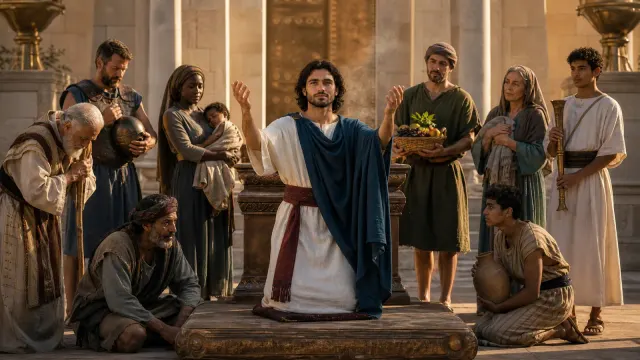
A Prayer Large Enough for Failure and Exile
Solomon's dedication prayer is striking because it looks far beyond a successful opening day. He begins with fulfilled promise, connecting David's intention, his own succession, Jerusalem, and the ark to what God has spoken and done. Kneeling publicly, he praises the God whom even heaven cannot contain and asks that prayers directed toward this house be heard from heaven. Then the prayer keeps widening. It includes disputes between neighbours, military defeat, drought, famine, disease, siege, private grief, the prayer of a foreigner, authorized warfare, and finally captivity in another land. At every scale, the building is valuable because of the relationship associated with it, not because stone and gold trap divine presence. The chapter closes by returning to the ark, priests, the anointed king, and David's mercies. The new temple is dedicated with language already prepared for failure, distance, repentance, forgiveness, and exile.
One complete chapter pageOpen chapter →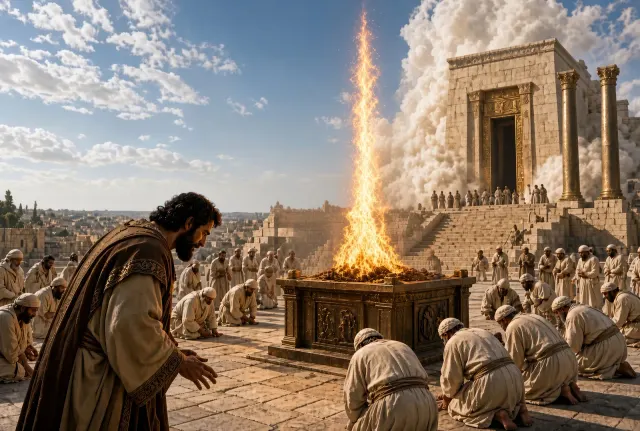
Fire at the Dedication, Conditions in the Promise
The answer to Solomon's prayer begins before anyone speaks again. Fire consumes the offerings, glory fills the house, and the people bow to the pavement praising God's goodness and mercy. The dedication then expands into sacrifices so numerous that the great altar cannot contain them, followed by feast days, music, priestly service, and a joyful departure. Yet the chapter does not let celebration erase conditions. God's night message confirms that the prayer has been heard and the house chosen, then addresses drought, locusts, pestilence, repentance, forgiveness, and the healing of the land. Solomon himself receives a personal condition tied to walking in God's commands. Finally comes the reversal no splendid sanctuary can prevent: if the people forsake God for other gods, the sanctified house itself can be cast out of his sight. Acceptance and warning stand together from the beginning.
One complete chapter pageOpen chapter →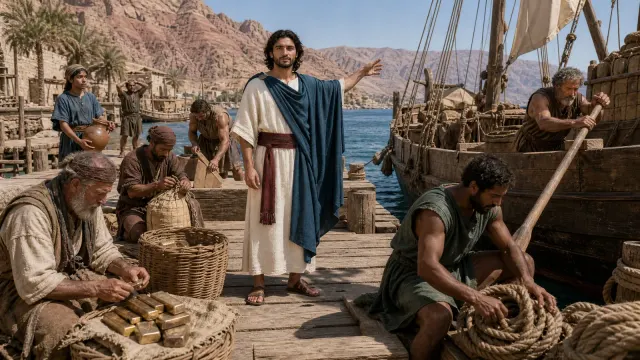
The Dedication Becomes a Daily Order
After the dedication, Solomon's reign settles into the less dramatic work of administration. The building programme stretches through fortified towns, store cities, chariot centres, and other royal projects across the territory. Labour is assigned along distinct lines, with surviving non-Israelite populations placed under tribute service while Israelites appear in military and official roles. Pharaoh's daughter is moved from David's house because Solomon treats the places associated with the ark as holy. In the temple, extraordinary dedication gives way to ordinary continuity: daily offerings follow Moses, while priestly, Levitical, musical, gatekeeping, and treasury duties follow David's ordering. The house is called perfected only after its appointed service is operating. The chapter ends at the coast, where Huram contributes seafaring expertise and a joint expedition brings gold from Ophir. Order, boundaries, skill, and partnership carry the reign forward.
One complete chapter pageOpen chapter →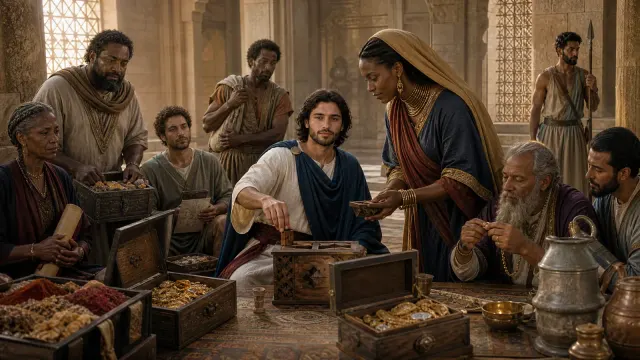
Wisdom Fills the Court, but the Reign Still Ends
The queen of Sheba arrives to test Solomon, and the chapter gives her more than a glittering court to inspect. She brings hard questions, speaks what is in her heart, receives answers, and then studies the whole arrangement around the king: table, servants, clothing, attendants, and access to the house of the LORD. Her verdict is that the report she heard was smaller than the reality, but her praise ultimately turns toward God's purpose in setting Solomon on the throne to do judgment and justice for Israel. Gifts move both ways before the account widens into an extraordinary inventory of yearly gold, shields, throne, vessels, ships, horses, and tribute. Yet the gift behind the visible gifts is still wisdom God placed in Solomon's heart. The reign reaches its richest description and then ends in three restrained verses: forty years, burial, succession.
One complete chapter pageOpen chapter →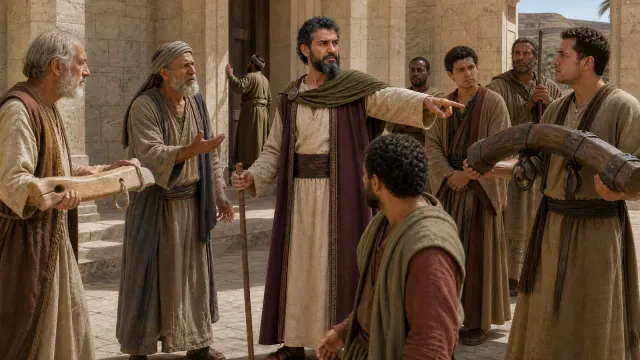
An Inherited Throne Meets an Unanswered Burden
Rehoboam reaches Shechem to receive a kingdom and instead hears a burden. The people do not begin by rejecting David's house. They offer continued service if Solomon's heavy yoke is eased. Rehoboam asks for time, consults men who served his father, and receives counsel that kindness and good words could secure lasting allegiance. He rejects it and chooses the advice of his companions, turning a negotiable grievance into a public promise of heavier service and harsher chastisement. The Book of 2 Chronicles also identifies the division as the fulfilment of God's earlier word through Ahijah, but it does not erase Rehoboam's decision-making. Advice is heard, alternatives are available, and one is chosen. When the people finally reject David's house, Rehoboam sends the tribute officer Hadoram into the crisis, Hadoram is killed, and the king flees to Jerusalem.
One complete chapter pageOpen chapter →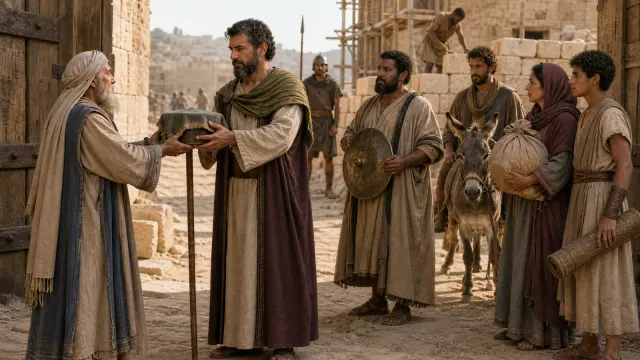
A Smaller Kingdom Receives More Than Soldiers
The divided kingdom does not immediately become a battlefield. Rehoboam assembles 180,000 men to recover Israel, but Shemaiah's word names the northern tribes as brethren and forbids the campaign. This time the king obeys, and the army goes home. Rehoboam then turns from attempted recovery to strengthening what remains, fortifying towns across Judah and Benjamin with commanders, provisions, shields, and spears. Another kind of strengthening follows. Priests and Levites leave possessions in Israel after Jeroboam excludes them from service, and people from the tribes who set their hearts to seek the LORD come to Jerusalem with them. Their arrival strengthens Judah for three years. The chapter finally moves inside the royal household, where Rehoboam's preference for Maachah helps explain Abijah's elevation and the distribution of royal sons among fortified cities. Military, religious, and dynastic consolidation all share the page.
One complete chapter pageOpen chapter →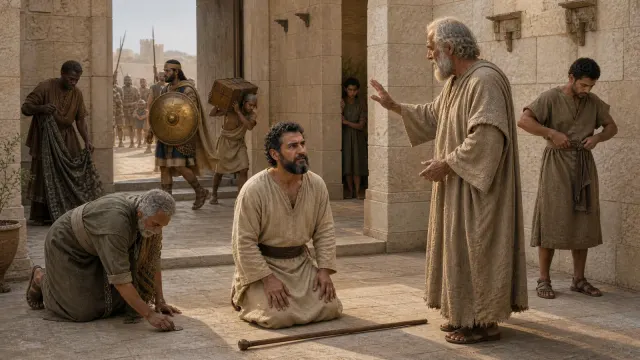
The Shields Are Replaced, Not the Losses
Rehoboam's strengthened kingdom is immediately tested by what follows strength. Once established, he and Israel forsake the law, and Shishak's invasion reaches the very fenced cities prepared so carefully in the previous chapter. Shemaiah interprets the crisis as the consequence of forsaking God. When the king and princes humble themselves and acknowledge the LORD's righteousness, the announced destruction is reduced but not erased. Jerusalem survives, yet subjection remains. Shishak removes treasures from the temple and palace, including Solomon's golden shields, and Rehoboam replaces them with brass while the royal ceremony continues in reduced splendour. The closing assessment refuses to let one moment of humility define the whole reign. Rehoboam obeyed and humbled himself at real points, but he is finally judged for failing to prepare his heart to seek the LORD. Continuity, survival, and loss remain together.
One complete chapter pageOpen chapter →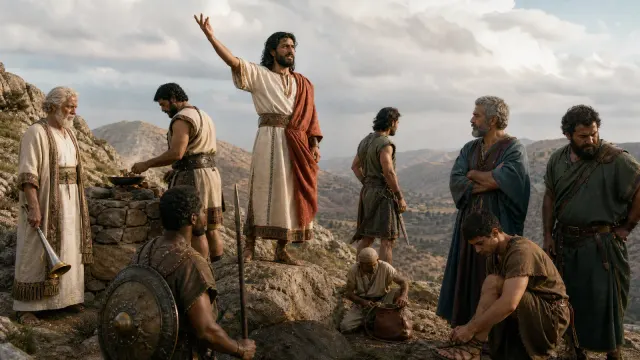
A Royal Claim Is Tested from Behind
Abijah meets Jeroboam with a speech before meeting him with an army. He appeals to the covenant with David, describes the northern break in terms favourable to his father's house, and contrasts Jeroboam's calves and priestly arrangements with Judah's ordered worship under Aaronic priests and Levites. The speech is forceful, but it does not control the field. Jeroboam's ambush places Judah between enemies in front and behind, forcing the claim about God's presence into an immediate crisis. Judah cries to the LORD, the priests sound the trumpets, and the Book of 2 Chronicles attributes the victory to divine action and Judah's reliance on the God of its fathers. The reported losses are enormous within a divided people. Abijah then captures towns and grows stronger while Jeroboam does not recover his former strength. One battle settles a moment of power, not the entire meaning of either reign.
One complete chapter pageOpen chapter →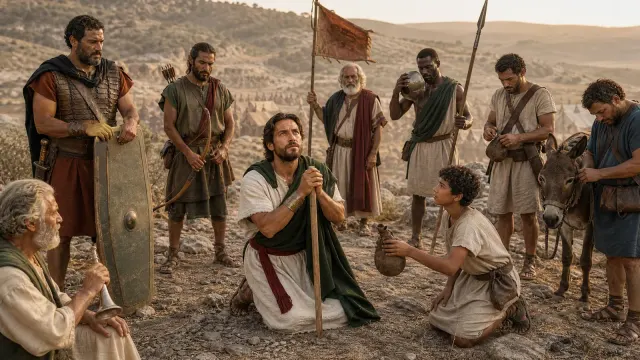
Rest Builds Cities, Reliance Meets the Army
Asa's reign begins with removal, direction, and rest. He tears down rival worship and commands Judah to seek the LORD and keep the law, while ten quiet years create room for practical preparation. Walls, towers, gates, bars, and a large organized army show that reliance on God is not presented as an excuse for neglecting defence. Then Zerah arrives with the force the KJV numbers at a thousand thousand and three hundred chariots. Asa's preparation remains real, but his prayer refuses to make the outcome a simple calculation of troop strength. He appeals to the God who can help whether human power is great or weak and says Judah rests on him. The LORD is credited with striking the invading force, while Asa's army pursues, attacks surrounding places, and carries extensive spoil back to Jerusalem. Rest, readiness, prayer, and action remain joined.
One complete chapter pageOpen chapter →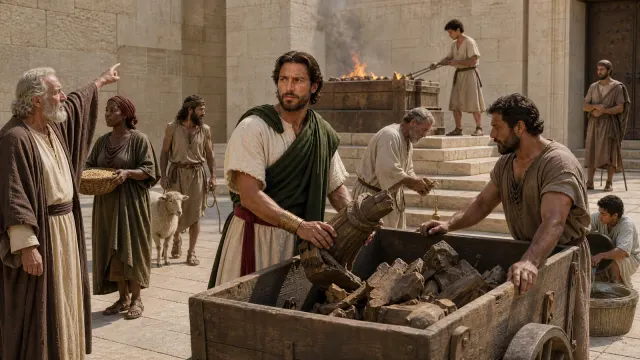
Victory Is Followed by a Covenant, Not a Holiday
Victory does not earn Asa a quiet epilogue. Azariah meets the returning king with a conditional word: seek and find, forsake and be forsaken. Asa responds by taking courage, extending reform, renewing the altar, and gathering Judah, Benjamin, and people who have crossed from northern tribes after seeing that God is with him. Spoil from the previous campaign appears at the altar, turning military gain into part of a public act of worship. The assembly then enters a covenant to seek the LORD with all heart and soul. Its rejoicing stands beside a severe death penalty for refusal, so the occasion is more than a festival of enthusiasm. Reform also reaches the royal household when Maachah is removed from her position and her idol destroyed. Yet remaining high places keep the chapter from claiming complete success. Asa's heart is affirmed without declaring every act of his reign faultless.
One complete chapter pageOpen chapter →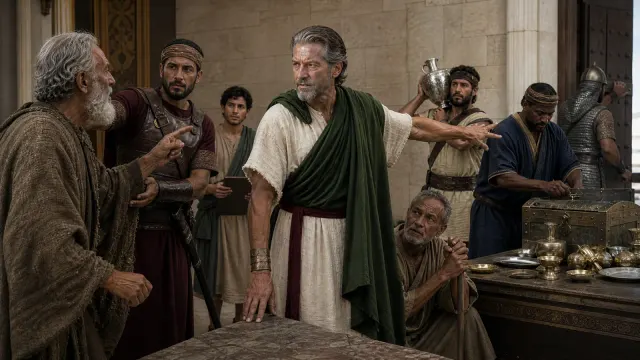
The Policy Succeeds, and the Prophet Calls It Failure
Asa's final chapter turns on a disturbing fact: the king's policy works. Baasha fortifies Ramah to restrict movement, so Asa sends temple and palace treasure to Benhadad and persuades Syria to attack Israel. Baasha abandons the project, and Judah reuses Ramah's materials. The immediate objective has been achieved. Hanani nevertheless calls the policy foolish because Asa relied on Syria rather than on the LORD, recalling the earlier deliverance from a much larger force. The rebuke measures success by dependence, not merely results. Asa answers with rage, imprisonment of the seer, and oppression of some of the people. Later, when severe disease affects his feet, the Book of 2 Chronicles again frames the problem as seeking help without seeking the LORD. His burial is elaborate and honourable, but it does not supply repentance that the chapter never records. The reign closes with stature and unresolved failure side by side.
One complete chapter pageOpen chapter →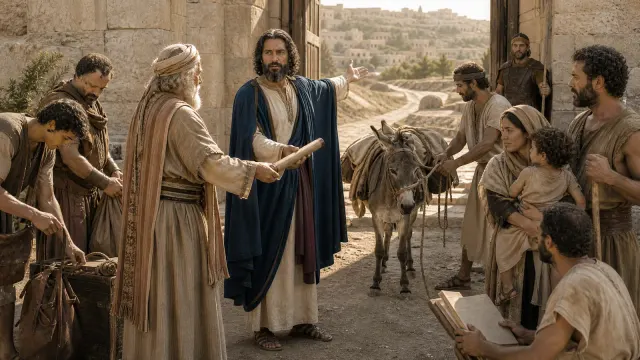
The Kingdom Is Strengthened, and the Law Travels
Jehoshaphat begins by strengthening Judah against Israel, yet the chapter refuses to make soldiers the center of his security. He seeks the LORD, removes rival worship, and then sends princes, Levites, and priests through the cities with the book of the law in hand. Instruction travels where the people live. Around that work, the kingdom becomes unusually secure: neighboring powers do not attack, tribute arrives, store cities rise, and a formidable military establishment is listed in detail. Even inside that register, one man is singled out because he "willingly offered himself unto the LORD." The result is a reign furnished with riches, honor, teachers, fortifications, and troops. That abundance matters because it leaves Jehoshaphat no obvious shortage to explain the alliance with Ahab that follows. He enters the next chapter as a king already strengthened, already instructed, and already acquainted with seeking God.
One complete chapter pageOpen chapter →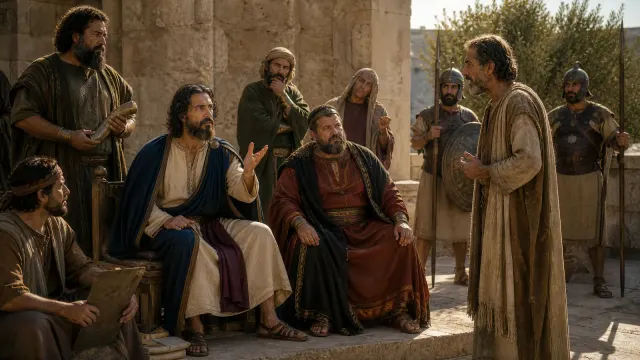
Two Royal Thrones Meet a Word They Cannot Overrule
Jehoshaphat's abundance now sits beside an alliance with Ahab, and the sequence is uncomfortable from the first sentence. He commits himself and his people to the campaign for Ramothgilead before asking for the word of the LORD. Four hundred prophets say what the kings want to hear, but Micaiah refuses to let agreement become the test of truth. The hearing moves from two kings on thrones at Samaria's gate to a vision of the LORD's throne above them, where Ahab's expedition is already understood as the road to his fall. Micaiah is struck and imprisoned, while Ahab tries to alter the battlefield by disguising himself. None of it alters the announced end. Jehoshaphat, visibly royal, is surrounded and rescued. Ahab, carefully hidden, is struck by an arrow shot "at a venture." The chapter lets the event settle the dispute: the king who promised to return in peace dies at sunset, while the prophet remains absent from the final scene.
One complete chapter pageOpen chapter →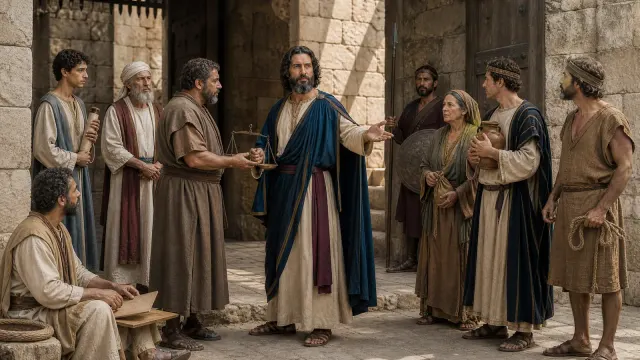
A King Corrected, and Courts Put in Order
Jehoshaphat reaches Jerusalem alive, but his safe return is followed immediately by a rebuke. Jehu the seer does not let survival turn the alliance with Ahab into an acceptable decision, nor does he erase the good already present in the king's reign. That precise judgment sets the tone for what follows. Jehoshaphat goes back among the people, restores them toward the LORD, and establishes judges throughout Judah. His charge to them is equally exacting: they do not judge as private agents of royal preference but under the character of the LORD, with no place for partiality, wrongdoing, or gifts that corrupt a verdict. A Jerusalem court then receives divided responsibilities for matters of God and matters of the king, with Levites serving as officers. The chapter begins with a king being judged for a bad alliance and ends with officials warned that their own judgments carry consequences. Authority is repeatedly paired with accountability.
One complete chapter pageOpen chapter →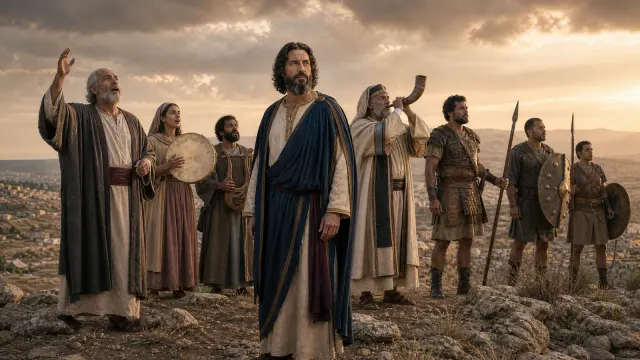
The Army Sings, and the Coalition Falls Apart
A large coalition approaches Judah, and Jehoshaphat does not hide either the danger or his fear. He calls the nation to seek the LORD, and his public prayer ends with the plain admission, "neither know we what to do: but our eyes are upon thee." The answer through Jahaziel is equally concrete: Judah must go out, take its position, and watch a battle it will not have to fight. Singers lead the departure, and when praise begins the enemy coalition turns on itself. Judah spends three days gathering spoil from a victory for which no Judean combat is described, then returns to the temple with music. Yet the chapter refuses a smooth heroic ending. Jehoshaphat is still unable to remove every high place, and a later commercial alliance with Ahaziah is condemned. Ships built for the partnership break before sailing. Great deliverance does not make the king incapable of another bad attachment, and one strong chapter does not erase the unresolved pattern.
One complete chapter pageOpen chapter →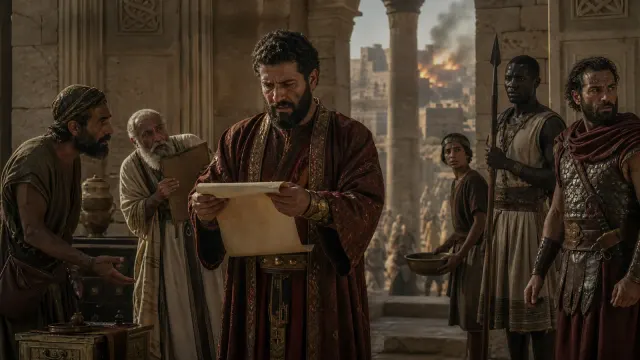
The House of David Survives a King Who Destroys His Own House
Jehoram inherits a kingdom strengthened by his father and immediately turns succession into slaughter. Once secure, he kills his brothers, follows the pattern of Ahab's house, and compels Judah toward the worship his predecessors had tried to remove. The kingdom he tries to control begins slipping away. Edom revolts, Libnah revolts, and an extraordinary written rebuke from Elijah names both his idolatry and the blood of brothers judged better than he was. Invasion then strips the palace of possessions, wives, and sons until only the youngest remains. The line of David survives, but the chapter insists that its survival rests on God's covenant, not on Jehoram's conduct. His own body becomes the final site of judgment through a prolonged disease. He dies after eight years, without the ceremonial burning granted his fathers and without burial in the royal sepulchres. The dynasty continues, while the king who tried to secure himself by destroying his own house departs "without being desired."
One complete chapter pageOpen chapter →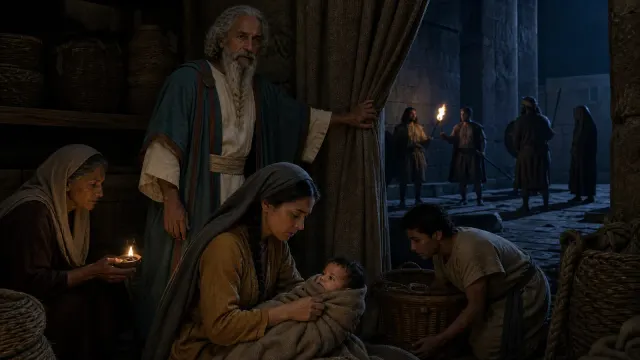
The Royal Line Survives in a Hidden Room
Ahaziah reaches the throne because his older brothers are dead, but the influence that ruined Jehoram's reign remains in place around him. His mother Athaliah and the house of Ahab shape his counsel, drawing him into the same northern alliance that becomes the setting of his death. His visit to the wounded Joram places him in the path of Jehu's judgment on Ahab's house, and even the respect shown at his burial comes from the remembered faithfulness of Jehoshaphat rather than from Ahaziah's own reign. Then the chapter becomes smaller and more dangerous. Athaliah moves to destroy the royal offspring of Judah, and the survival of David's line depends visibly on Jehoshabeath, a nurse, a bedchamber, and a child hidden in the house of God. For six years Athaliah possesses public power while Joash remains concealed. The covenant promise continues, but not through an army or a public throne. It survives through secrecy, family courage, and the sustained care required to keep one small heir alive.
One complete chapter pageOpen chapter →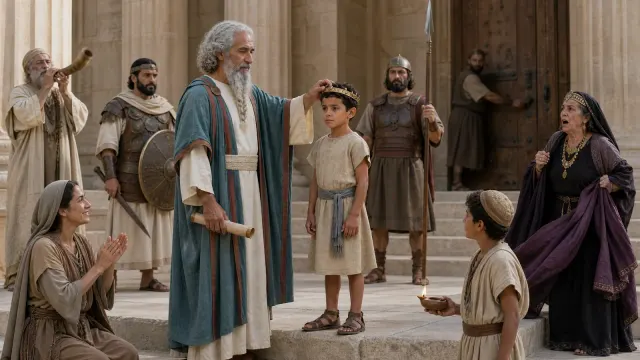
The Hidden Heir Comes Out Beneath David's Weapons
After six hidden years, Jehoiada moves carefully from preservation to restoration. He binds named military leaders in covenant, gathers Levites and family heads from Judah, protects the temple's boundaries, and grounds Joash's claim in the LORD's promise concerning David's sons. The coronation itself is thick with memory: David's old weapons surround David's descendant, and the child receives both crown and testimony before he is anointed. Athaliah arrives to the sound of public rejoicing and cries treason, but her accusation cannot erase the royal line she tried to destroy. Jehoiada orders her removed from the sanctuary before she is killed. The chapter then refuses to treat a change of ruler as enough. A covenant identifies king and people as the LORD's, Baal's establishment is torn down, temple service is reordered according to Moses and David, and Joash is finally carried from the house that sheltered him to the royal throne. The political restoration follows, rather than replaces, covenant and worship.
One complete chapter pageOpen chapter →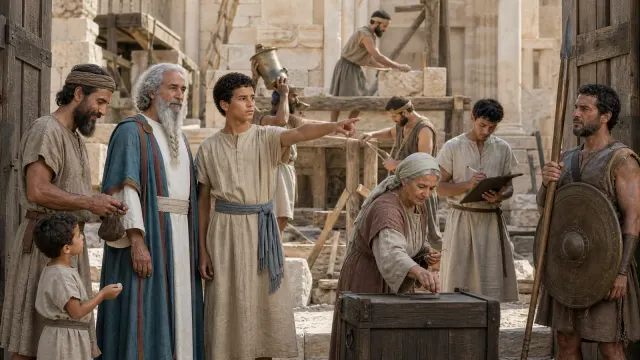
The King Repairs the Temple, Then Sheds Blood in Its Court
Joash's reign begins with an almost painful promise. The child once hidden in the temple grows into a king determined to repair that same house, and after an ineffective collection system is replaced by a public chest, the work proceeds with abundance, skilled labor, and shared oversight. Yet the opening verdict contains its warning: Joash does right during the days of Jehoiada. When the old priest dies and is buried among the kings for his good work, Judah's princes gain the king's ear. The restored building remains standing while the restored allegiance collapses. Prophets are ignored, and Zechariah, Jehoiada's son, is stoned by royal command in the temple court. The Book of 2 Chronicles explicitly calls this a failure to remember Jehoiada's kindness. A small Syrian force then defeats Judah's much greater host, and Joash's own servants kill him. The burial reversal is severe: Jehoiada the priest lies among the kings; Joash the king is denied the royal sepulchres.
One complete chapter pageOpen chapter →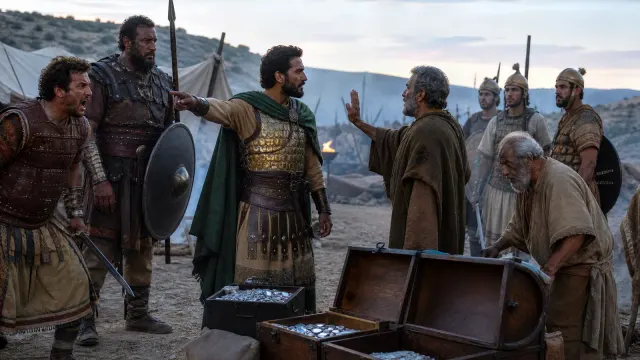
A King Brings Home Gods That Could Not Defend Their Own People
Amaziah's reign begins with a deliberately mixed verdict: he does what is right, but not with a whole heart. Early decisions show real obedience. He limits vengeance to his father's actual killers and, when warned by a man of God, sends home a costly force of hired northern soldiers even after paying them. Victory over Edom follows, but the turning point is almost absurd in its contradiction. Amaziah brings home the gods of the people he has just defeated and bows before them. When a prophet points out that those gods could not save their own worshippers, the king threatens the prophet instead of changing course. He then welcomes other counsel and challenges Israel to war. Joash of Israel answers with the cutting image of a thistle addressing a cedar, but Amaziah refuses the warning. Defeat follows, Jerusalem is breached, treasure is removed, and hostages are taken. Fifteen further years do not revise the chapter's trajectory. Amaziah eventually dies by conspiracy, leaving the opening judgment intact: obedience was present, but allegiance did not remain whole.
One complete chapter pageOpen chapter →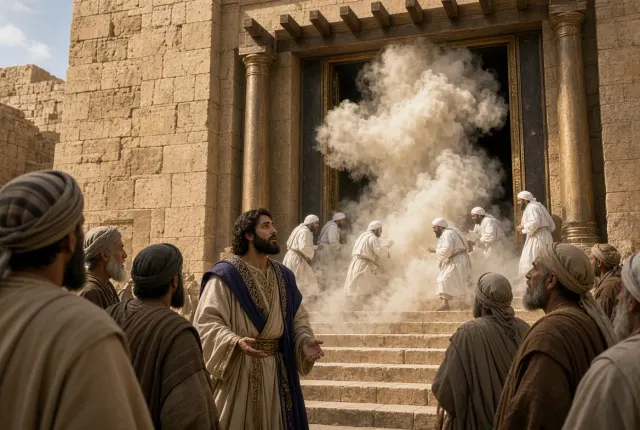
Strong Enough to Build Towers, Not Entitled to Burn Incense
Uzziah's fifty-two-year reign accumulates the kinds of achievements that can make a king look almost unassailable. He rebuilds, defeats enemies, receives tribute, fortifies Jerusalem, digs wells, develops agriculture, organizes a large army, and equips the capital with ingenious defensive devices. The Book of 2 Chronicles repeatedly insists that this strength was received through help: as long as Uzziah sought the LORD, he prospered, and he was "marvellously helped, till he was strong." The final phrase becomes the hinge. Once strong, his heart is lifted to his destruction. He enters the temple to burn incense, claiming a priestly function the crown does not give him. Azariah and eighty priests withstand him, and leprosy appears on his forehead while he angrily holds the censer. The king leaves quickly and spends the rest of his life in a separate house while Jotham governs. The reign does not collapse because Uzziah failed to build enough power. It turns when power convinces him that a boundary no longer applies to him.
One complete chapter pageOpen chapter →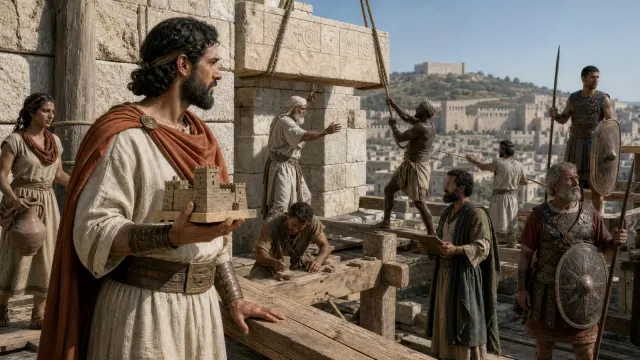
A King Grows Strong Without Repeating His Father's Intrusion
Jotham's reign is brief in the Book of 2 Chronicles, but its brevity has a clear shape. He follows the right conduct of Uzziah without repeating the act that defined his father's fall: "he entered not into the temple of the LORD." The comparison is selective rather than dismissive. Jotham can inherit his father's good pattern while refusing the particular intrusion that brought judgment. He builds at the temple, strengthens Ophel, constructs cities and towers, and defeats Ammon, receiving tribute over three years. Yet the explanation of his growing strength does not rest on architecture or tribute. He becomes mighty because he prepares his ways before the LORD. At the same time, the people continue to act corruptly, so the king's favorable assessment is not spread automatically over the whole population. The chapter closes without assassination, exclusion from burial, or a final reversal into pride. Jotham dies and is buried in David's city. The unresolved note belongs not to a recorded collapse in the king, but to the corruption that remains among the people.
One complete chapter pageOpen chapter →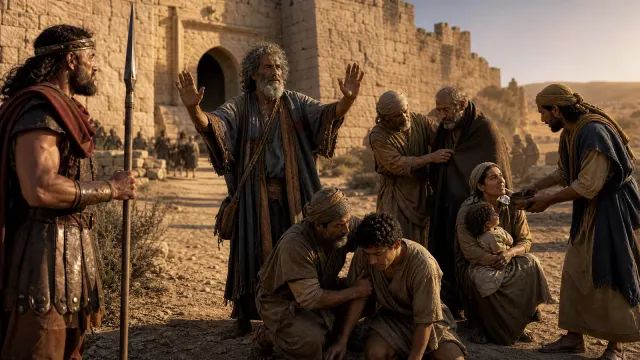
Captives Find Mercy in Samaria While Ahaz Closes the Temple
Ahaz reverses the direction of the reign almost immediately. He adopts the worship associated with Israel's kings, multiplies high places, and burns his children in the fire. Defeat follows on several fronts, reaching soldiers, royal officials, territory, and huge numbers of captives. Yet the chapter's most striking mercy appears in Samaria, where the victors are confronted by Oded. The prophet distinguishes Judah's judgment from Israel's right to do whatever it pleases. Northern leaders accept the rebuke, clothe and feed the captives with the very spoil taken from them, carry the weak, and return them to their brethren. Ahaz responds to his own distress in the opposite direction. He pays Assyria for help that does not strengthen him, then interprets Syrian success as a reason to worship Syrian gods. Finally he cuts apart temple vessels, shuts the doors of the LORD's house, and fills Jerusalem and Judah with rival altars. The northern captors hear correction and reverse course. The king of Judah hears distress and goes further into the same rebellion.
One complete chapter pageOpen chapter →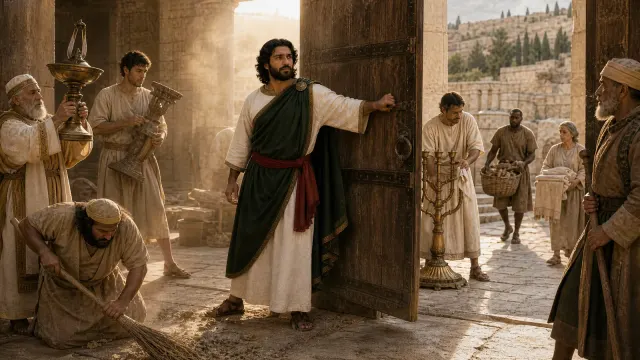
The Doors Open, the House Is Cleansed, and the Music Returns
Hezekiah begins his reign at the doors his father shut. In the first month of the first year, he opens and repairs the temple, calls priests and Levites back to their responsibilities, and names the neglect of the house as part of Judah's recent disaster. The cleansing takes sixteen days and depends on named workers performing distinct tasks. Objects discarded under Ahaz are recovered and sanctified, but a clean building is only the beginning. Offerings are made for the kingdom, sanctuary, Judah, and expressly for all Israel. Then sacrifice and music begin together according to the inherited arrangements associated with David and the prophets. The restoration is orderly without pretending to be effortless. When the congregation brings offerings in abundance, too few priests are ready, so Levites help until the work is done. The chapter ends with rejoicing at something achieved suddenly, but not magically. Sixteen days of cleansing, renewed sacrifice, recovered instruments, sanctified ministers, and a people's unexpected response stand behind the open doors.
One complete chapter pageOpen chapter →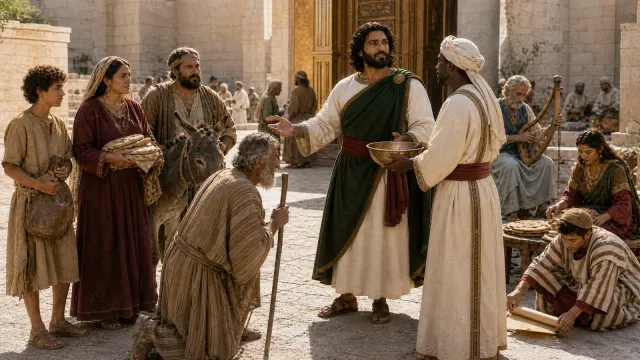
A Delayed Passover Gathers a Divided People
The reopened temple creates a new problem: Passover cannot be kept at its normal time because too few priests are prepared and the people have not yet gathered. Hezekiah, the princes, and the congregation therefore choose the second month and send invitations from Beersheba to Dan. The old political division remains, but the call imagines Israel as one people before the LORD. Some northern communities laugh the messengers to scorn, while others humble themselves and come. The gathering that results is large, joyful, and imperfect. Rival altars are cleared from Jerusalem, yet many participants are not ritually clean and eat "otherwise than it was written." Hezekiah does not pretend the requirement vanished. He asks pardon for those whose hearts are prepared to seek God, and the LORD hears. The feast then runs seven days and, by common decision, another seven. Judah, northern Israelites, priests, Levites, and resident strangers rejoice together. The chapter makes room for mercy without rewriting disobedience as compliance, and for unity without pretending the kingdoms have politically reunited.
One complete chapter pageOpen chapter →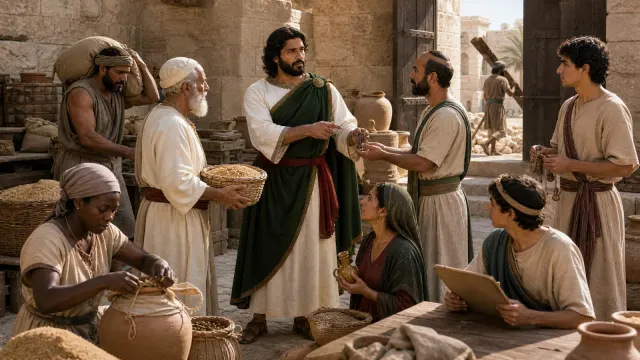
After the Feast Come the Fields, the Storehouses, and the Portions
The great feast ends, but Hezekiah's reform becomes more concrete after the crowd goes home. Participants destroy rival worship sites across Judah, Benjamin, Ephraim, and Manasseh, then return to their own cities. Hezekiah turns from exceptional celebration to recurring service: priestly and Levitical courses, daily offerings, sabbaths, new moons, feasts, and the regular material support required to sustain them. The people's response creates literal heaps of grain, wine, oil, honey, animals, and consecrated goods. When the king sees the abundance, he does not merely admire it. He asks whether the ministers are being fed, and the chief priest explains that they have enough and the visible heaps are the surplus. Storehouses and named administrators then turn abundance into accountable distribution, including the priestly cities and families living away from Jerusalem. The chapter closes with genealogies, ages, wives, sons, daughters, and daily portions. Hezekiah's wholehearted seeking of God is shown here not through one dramatic prayer but through storage rooms, registers, fair portions, and the ordinary machinery that keeps worship functioning.
One complete chapter pageOpen chapter →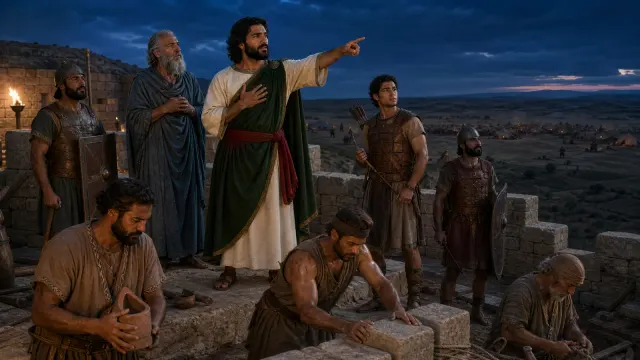
An Invading Army, a Praying King, and a Heart Still Capable of Pride
2 Chronicles 32 refuses to make Hezekiah's faithfulness a shield from trouble. Sennacherib arrives after the king's reforms are established, and Hezekiah answers with walls, weapons, water control, officers, and confidence in the LORD at the same time. Assyria attacks that confidence as carefully as it attacks Judah, twisting Hezekiah's reform into supposed betrayal and reducing the LORD to the level of handmade gods. Hezekiah and Isaiah pray, and Jerusalem's deliverance exposes the comparison as false. Yet the chapter does not stop at triumph. Hezekiah survives mortal illness, receives a sign, becomes proud, humbles himself, grows wealthy, and faces a searching test when Babylon sends ambassadors. The king is honored at death, but prosperity and rescue never end the examination of his heart.
One complete chapter pageOpen chapter →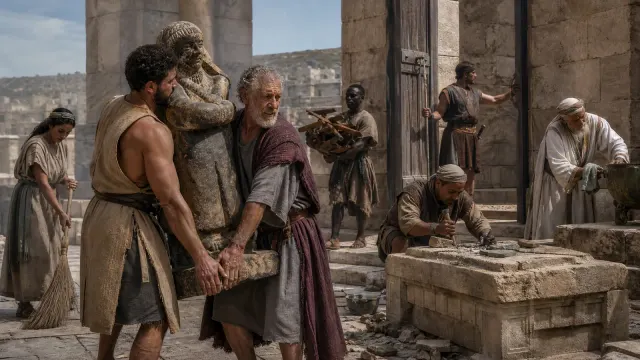
Manasseh Is Carried Away, Heard, and Brought Back
2 Chronicles 33 follows one of the book's darkest reversals with one of its most surprising turns. Manasseh rebuilds the high places his father destroyed, fills the temple courts with rival worship, and places an idol in the house associated with the LORD's name. When he and the people refuse to hear, Assyrian commanders carry him away in fetters. In affliction, however, the king humbles himself, prays, is heard, and returns to Jerusalem with a new recognition of the LORD. His reform is concrete: he removes the objects he installed and repairs the altar, though high-place worship continues in a qualified form. The closing notices preserve both his sin and his supplication. Amon then demonstrates the difference between inheriting a father's practices and inheriting his repentance. He repeats Manasseh's idolatry, refuses his humbling, and dies after only two years.
One complete chapter pageOpen chapter →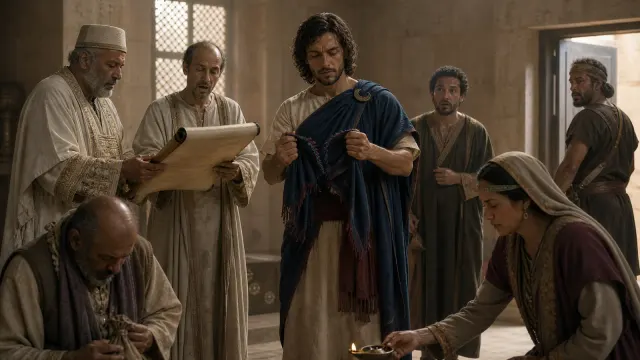
The Book Found During Repairs Becomes the Measure of the Kingdom
2 Chronicles 34 gives Josiah's reform a timeline, and that timeline matters. He begins seeking the God of David while still young and launches a wide purge of idolatry years before the book of the law is discovered during temple repairs. The recovered book therefore does not create his first desire for reform. It exposes how much deeper Judah's covenant failure runs than even an active reformer has grasped. Shaphan moves from a routine report about money and workmen to reading words that make the king tear his clothes. Huldah then delivers a double answer: judgment against the place remains, while Josiah's tenderness, tears, and humility are heard. The king responds by carrying the book from the royal room into a national assembly, reading the covenant publicly, binding himself to it, and requiring public allegiance. The chapter closes with sustained reform throughout his days, not with a promise that later kings will keep it.
One complete chapter pageOpen chapter →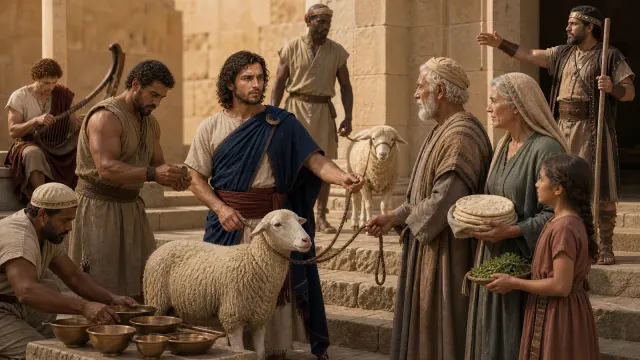
Passover Music Gives Way to Lamentation
2 Chronicles 35 opens with one of the most carefully coordinated acts of worship in the book. Josiah keeps Passover on its appointed date, organizes priests and Levites according to received instructions, supplies animals from his own substance, and presides over a system detailed enough to make sure singers and gatekeepers can remain at their posts while others prepare food for them. The celebration is measured back to the days of Samuel and sits beside the discovery of the law and covenant renewal in Josiah's eighteenth year. Then the chapter changes direction with almost brutal speed. Necho moves toward Carchemish and warns Josiah not to interfere, and 2 Chronicles itself identifies those words as coming from God. The king who listened to the recovered book refuses this warning, disguises himself for battle, and is mortally wounded. The chapter closes not by erasing his goodness, but by placing it beside national lamentation and the act that ended his reign.
One complete chapter pageOpen chapter →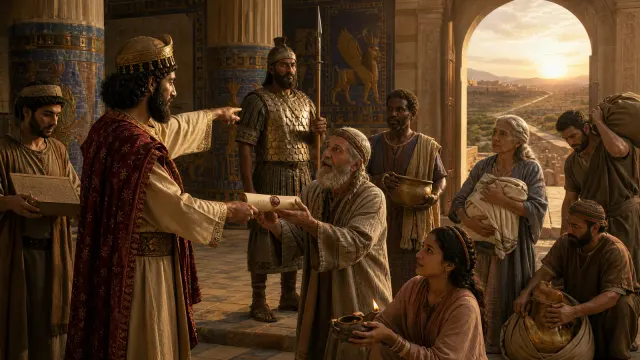
The House Burns, but the Final Word Opens a Road Back
2 Chronicles 36 accelerates through Judah's final kings as foreign powers gain control over both throne and temple. The people install Jehoahaz, but Egypt removes him after three months, taxes the land, renames his brother, and carries the deposed king away. Babylon then takes over the pattern. Kings are bound or deported, temple vessels move east, and Zedekiah's reign adds resistance to Jeremiah, a broken oath, a hardened heart, and a polluted sanctuary. The chapter widens responsibility beyond the palace to chief priests and people, then pauses to explain why prophetic warnings kept coming: the LORD sent messengers repeatedly "because he had compassion on his people, and on his dwelling place." Their rejection reaches a point described as having no remedy. Jerusalem falls, the house burns, survivors serve in Babylon, and the land finally keeps its sabbaths during desolation. Yet fulfilled prophecy explains both ruin and return. Cyrus is stirred to authorize rebuilding, and the last words direct the exiles toward Jerusalem.
One complete chapter pageOpen chapter →Source: eBible.org · eng-kjv2006