New · FreePlay The Witnesses The in-depth puzzle battle quest through Bible history

People of the Bible

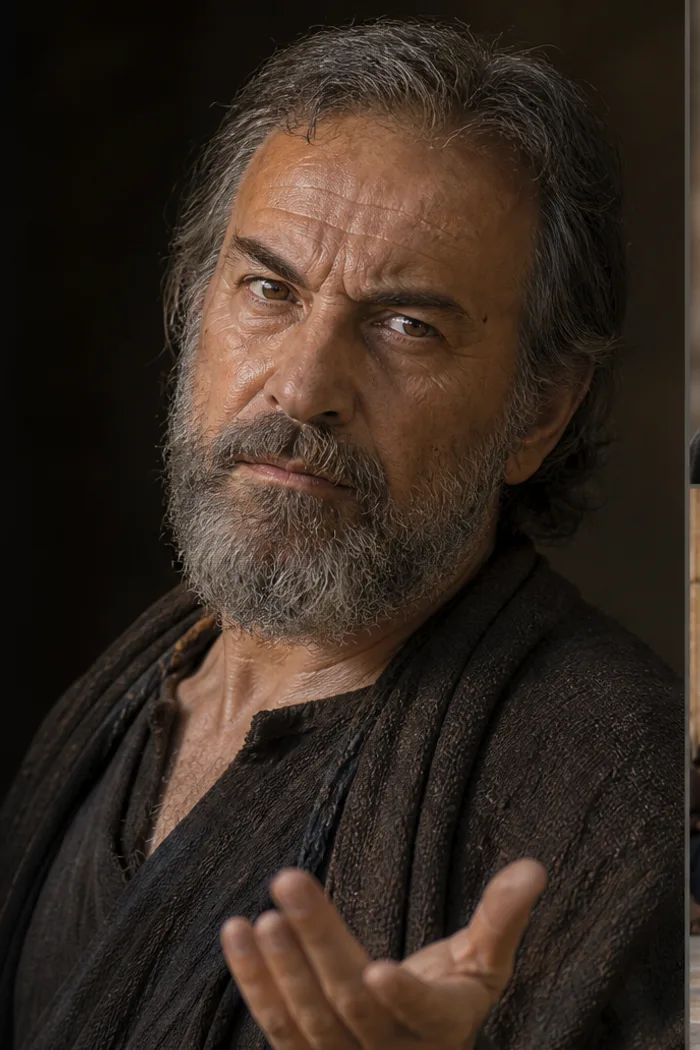
Malachi

Wrote the last page of the Old Testament as an argument, and the audience answers back seven times.

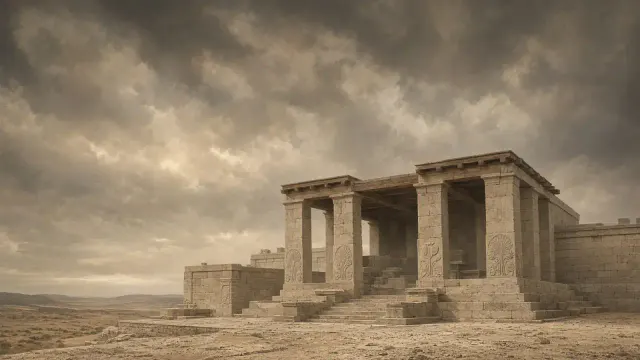
Malachi speaks to a community with a temple, a priesthood and a working sacrificial system, and none of it is doing anything. The book is built as a dispute: God makes a statement, the people ask a question back, and the question is always a form of denial. I have loved you, and they say wherein have you loved us. You have despised my name, and they say wherein have we despised it. The answer is the animals on the altar, blind and lame and sick, offered because they were not worth keeping.

Where he appearsMalachi 1 to 4

Scroll down to the account
Malachi

The movements, in the order the text gives them.

The Account of Malachi

  1. 01

    Malachi 1:2-5

    Wherein have you loved us

    The first statement is affection and the first reply is a demand for evidence. That pattern, statement and objection, runs through all four chapters.

    The first claim in the dispute is love. Israel's answer is a demand for evidence. That exchange gives the book its edge: the people are not silently absorbing a speech, and their objections are allowed into the wording of the prophecy. God's answer begins with brotherhood. Esau and Jacob shared a family; their common origin makes the difference in their peoples' circumstances sharper, not smaller.

    The names quickly become a landscape. Esau has mountains and an inheritance, and verse 4 explicitly names Edom. Its announced rebuilding meets God's announced demolition. These are not merely comments about the private feelings surrounding two infants. The contrast concerns peoples and their futures. Nor does Israel receive a promise that love means uninterrupted comfort: the same book addresses failed crops and withheld offerings. The answer here is the continuance of God's commitment, set against Edom's attempt to reverse his judgment.

    Verse by verse

    1. 1:2

      The mention of Esau as Jacob's brother makes their shared descent part of the argument. Verse 4 identifies the people of Edom as the immediate subject of the ruined inheritance.

    2. 1:3

      Romans 9:10-13 quotes the loved and hated contrast in Paul's argument about God's calling and election. Malachi's immediate setting concerns the historical destinies of Israel and Edom.

    3. 1:5

      The announcement of God's greatness continues in 1:11 and 1:14, where the nations are explicitly in view. The repeated language does not confine his significance to one territory.

    Malachi 1:2-5

    King James Version · 4 verses

    1:2I have loved you, saith the LORD. Yet ye say, Wherein hast thou loved us? Was not Esau Jacob’s brother? saith the LORD: yet I loved Jacob,

    1:3And I hated Esau, and laid his mountains and his heritage waste for the dragons of the wilderness.

    1:4Whereas Edom saith, We are impoverished, but we will return and build the desolate places; thus saith the LORD of hosts, They shall build, but I will throw down; and they shall call them, The border of wickedness, and, The people against whom the LORD hath indignation for ever.

    1:5And your eyes shall see, and ye shall say, The LORD will be magnified from the border of Israel.

    Malachi 1:2-5: Wherein have you loved us
  2. 02

    Malachi 1:6-14

    Offer it now to your governor

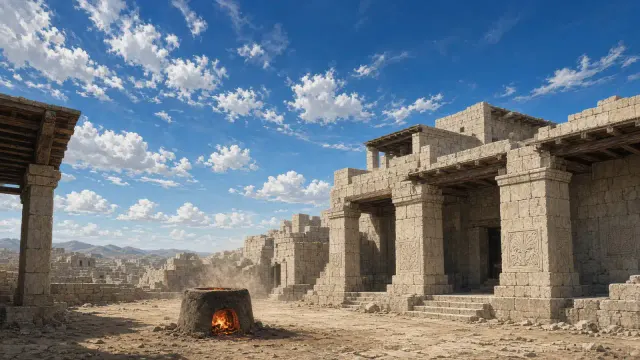
    Blind, lame and sick animals brought to the altar. The test proposed is social rather than theological: try giving that to the man who rules you and see whether he accepts it.

    The governor becomes the unexpected examiner of Israel's worship. A diseased animal that would embarrass its owner at the governor's door is considered suitable for God's altar. The comparison has teeth because it uses a standard the offerers already understand. Respect has not become incomprehensible. It has become selective.

    Verse 14 closes off the convenient explanation that these are simply the best animals available. The deceiver has a male in the flock, makes a vow, and substitutes something corrupt. This is not scarcity dressed in its best clothes. It is substitution. Meanwhile, the repeated greatness of God's name among the nations makes the priests' contempt look smaller still: the great King is being treated as the one recipient who can safely be given less. The fire may be lit and the offering brought, but God explicitly refuses it. A functioning altar is not the same thing as accepted worship.

    Verse by verse

    1. 1:8

      Leviticus 22:19-22 requires animals without the listed defects for these sacrifices. Malachi is exposing violations of an existing requirement, not announcing a new preference.

    2. 1:12

      The table of the LORD refers to the altar in this passage, as the connection with verse 7 shows. Meat in the KJV can mean food generally.

    3. 1:14

      Dreadful means inspiring fear or awe. The description concerns the great King's standing among the nations, not a claim that his name is morally evil.

    Malachi 1:6-14: Offer it now to your governor

    Malachi 1:6-14

    King James Version · 9 verses

    1:6A son honoureth his father, and a servant his master: if then I be a father, where is mine honour? and if I be a master, where is my fear? saith the LORD of hosts unto you, O priests, that despise my name. And ye say, Wherein have we despised thy name?

    1:7Ye offer polluted bread upon mine altar; and ye say, Wherein have we polluted thee? In that ye say, The table of the LORD is contemptible.

    1:8And if ye offer the blind for sacrifice, is it not evil? and if ye offer the lame and sick, is it not evil? offer it now unto thy governor; will he be pleased with thee, or accept thy person? saith the LORD of hosts.

    1:9And now, I pray you, beseech God that he will be gracious unto us: this hath been by your means: will he regard your persons? saith the LORD of hosts.

    1:10Who is there even among you that would shut the doors for nought? neither do ye kindle fire on mine altar for nought. I have no pleasure in you, saith the LORD of hosts, neither will I accept an offering at your hand.

    1:11For from the rising of the sun even unto the going down of the same my name shall be great among the Gentiles; and in every place incense shall be offered unto my name, and a pure offering: for my name shall be great among the heathen, saith the LORD of hosts.

    1:12But ye have profaned it, in that ye say, The table of the LORD is polluted; and the fruit thereof, even his meat, is contemptible.

    1:13Ye said also, Behold, what a weariness is it! and ye have snuffed at it, saith the LORD of hosts; and ye brought that which was torn, and the lame, and the sick; thus ye brought an offering: should I accept this of your hand? saith the LORD.

    1:14But cursed be the deceiver, which hath in his flock a male, and voweth, and sacrificeth unto the Lord a corrupt thing: for I am a great King, saith the LORD of hosts, and my name is dreadful among the heathen.


  3. 03

    Malachi 2:13-16

    The wife of your youth

    They cover the altar with tears and ask why the offering is not regarded. The answer is that the LORD was witness between you and the companion of your covenant.

    The altar is wet, and the offering is still refused. Visible intensity does not settle the matter, because the dispute concerns something that happened away from the altar. God has witnessed the treatment of the wife. She is named through the relationship being betrayed: the wife of youth, the companion, the wife of the covenant. None of those descriptions permits her to disappear into an impersonal argument about acceptable sacrifices.

    The repetition of treachery holds these difficult verses together. Verse 15 has disputed wording, but its concluding prohibition is plain, and verse 16 repeats it beside the language of violence. The accusation is not that the husband has become insufficiently sentimental. It is that a covenant has been broken against the woman who shared it. The tears cannot make the witness forget what he witnessed. The one addressed at the altar is the one who stood between husband and wife.

    Verse by verse

    1. 2:14

      Companion and wife of the covenant are the verse's own descriptions. God appears as witness to the marriage relationship, not merely as the recipient of the later offering.

    2. 2:15

      The syntax of verse 15 is difficult: interpretations of the one include the first married pair, Abraham, or Israel as one people. The prohibition of treachery at the end is not similarly obscure.

    3. 2:16

      Putting away means divorce. In the KJV reading, God declares hatred of it in a passage specifically accusing husbands of treachery and violence against their wives.

    Malachi 2:13-16

    King James Version · 4 verses

    2:13And this have ye done again, covering the altar of the LORD with tears, with weeping, and with crying out, insomuch that he regardeth not the offering any more, or receiveth it with good will at your hand.

    2:14Yet ye say, Wherefore? Because the LORD hath been witness between thee and the wife of thy youth, against whom thou hast dealt treacherously: yet is she thy companion, and the wife of thy covenant.

    2:15And did not he make one? Yet had he the residue of the spirit. And wherefore one? That he might seek a godly seed. Therefore take heed to your spirit, and let none deal treacherously against the wife of his youth.

    2:16For the LORD, the God of Israel, saith that he hateth putting away: for one covereth violence with his garment, saith the LORD of hosts: therefore take heed to your spirit, that ye deal not treacherously.

    Malachi 2:13-16: The wife of your youth
  4. 04

    Malachi 3:8-12

    Will a man rob God

    Bring all the tithes into the storehouse, and prove me now, whether I will not open the windows of heaven. It is the one place in Scripture where testing God is invited.

    The robbery consists of something withheld, not something carried out of a locked sanctuary. The tithes and offerings already belong to the obligations of the covenant, which is why God calls their absence robbery rather than a disappointing lack of generosity. The answer to the people's objection is concrete enough to stock a storeroom. Food is missing from the house.

    The promised reversal is just as concrete. Crops survive the devourer, grapes remain on the vine until their time, and the land becomes recognizable to other nations as blessed. The windows of heaven are not an isolated slogan floating free of these fields. Even the invitation to prove God is attached to this particular return and this particular promise. The passage describes the restoration of a nation's agricultural life, not a stated rate of return on a private payment. Its abundance has roots, branches, and a harvest.

    Verse by verse

    1. 3:8

      A tithe is a tenth. Numbers 18:21-24 assigns Israel's tithes to the Levites for their service, with further contributions from them specified in 18:26-28.

    2. 3:10

      Meat means food here, not exclusively animal flesh. The stated purpose of the storehouse is provision for God's house.

    3. 3:11

      The devourer is identified through damage to crops. The verse does not name a particular insect species or identify the devourer as Satan.

    Malachi 3:8-12

    King James Version · 5 verses

    3:8Will a man rob God? Yet ye have robbed me. But ye say, Wherein have we robbed thee? In tithes and offerings.

    3:9Ye are cursed with a curse: for ye have robbed me, even this whole nation.

    3:10Bring ye all the tithes into the storehouse, that there may be meat in mine house, and prove me now herewith, saith the LORD of hosts, if I will not open you the windows of heaven, and pour you out a blessing, that there shall not be room enough to receive it.

    3:11And I will rebuke the devourer for your sakes, and he shall not destroy the fruits of your ground; neither shall your vine cast her fruit before the time in the field, saith the LORD of hosts.

    3:12And all nations shall call you blessed: for ye shall be a delightsome land, saith the LORD of hosts.

    Malachi 3:8-12: Will a man rob God
  5. 05

    Malachi 4:2-6

    The sun of righteousness

    Healing in his wings, and calves of the stall. Then Elijah before the great and dreadful day of the LORD, turning the heart of the fathers to the children, and the Old Testament stops.

    The same coming day is an oven in verse 1 and a healing sunrise in verse 2. The difference lies in the people it meets: the proud and wicked on one side, those who fear God's name on the other. The calves give the restoration a bodily liveliness that an abstract promise of better conditions would miss. They come out with room to move. Yet the ashes beneath the feet prevent the morning from becoming a picture without judgment.

    Then the book closes with two names, Moses and Elijah. Expectation does not replace the law given at Horeb; remembering and awaiting belong together. The final concern is strikingly domestic. The approach of the great day runs through fathers and children turning toward one another, not only through the fate of nations. Luke 1:17 applies that work of turning hearts to John the Baptist. The last warning leaves room for return.

    Verse by verse

    1. 4:2

      Sun translates the Hebrew shemesh, the word for the sun. The wings belong to the poetic picture of healing that accompanies its rising.

    2. 4:2

      The Hebrew verb behind grow up is understood by Brown-Driver-Briggs as springing or gamboling in this calf comparison. The image includes vigorous movement, not simply an increase in size.

    3. 4:5

      John 1:21 records John's denial that he is Elijah, while Luke 1:17 describes his mission in Elijah's spirit and power. Those distinct statements should both remain visible.

    4. 4:5

      Matthew 11:10-14 connects John with both the messenger of Malachi 3:1 and the promised Elijah. Mark 1:2 and Luke 7:27 also reuse the messenger passage.

    5. 4:6

      Lest presents the threatened curse as what the turning of hearts is meant to avert. The closing sentence is a warning, not an announcement that reconciliation has already failed.

    Malachi 4:2-6

    King James Version · 5 verses

    4:2But unto you that fear my name shall the Sun of righteousness arise with healing in his wings; and ye shall go forth, and grow up as calves of the stall.

    4:3And ye shall tread down the wicked; for they shall be ashes under the soles of your feet in the day that I shall do this, saith the LORD of hosts.

    4:4Remember ye the law of Moses my servant, which I commanded unto him in Horeb for all Israel, with the statutes and judgments.

    4:5Behold, I will send you Elijah the prophet before the coming of the great and dreadful day of the LORD:

    4:6And he shall turn the heart of the fathers to the children, and the heart of the children to their fathers, lest I come and smite the earth with a curse.

    Malachi 4:2-6: The sun of righteousness

Why it matters

Malachi closes the Old Testament and leaves two things on the table. One is the charge that this worship would be better stopped than continued: who is there among you that would shut the doors for nothing, and I have no pleasure in you. The other is a promise about a messenger who will prepare the way, and about Elijah before the great and dreadful day, turning the heart of the fathers to the children. The next voice in the account is a man in the wilderness in camel’s hair.

10 songs

The music

Every song in the catalogue whose passage falls inside these chapters.

  1. Malachi 1:1-4:6

    Malachi (The Messenger Before the Fire)

    Play here
    Open song pageRead lyrics
  2. Malachi 1:1-4:6

    Malachi, Definitive Edition

    Play here
    Open song pageRead lyrics
  3. Malachi 1:1-5

    The LORD Has Loved You

    Play hereOpen song pageRead lyrics
  4. Malachi 1:6-14

    Where Is Mine Honour?

    Play hereOpen song pageRead lyrics
  5. Malachi 2:10-17

    Take Heed to Your Spirit

    Play hereOpen song pageRead lyrics
  6. Malachi 2:1-9

    Ye Have Corrupted the Covenant of Levi

    Play hereOpen song pageRead lyrics
  7. Malachi 3:1-7

    The Lord Shall Suddenly Come to His Temple

    Play hereOpen song pageRead lyrics
  8. Malachi 3:8-18

    Will a Man Rob God?

    Play hereOpen song pageRead lyrics
  9. Genesis 1:1-Malachi 4:6

    The Greatest History Known to Man

    Play here
    Open song pageRead lyrics
  10. Malachi 4:1-6

    The Sun of Righteousness Shall Arise

    Play hereOpen song pageRead lyrics

Nearby

All the people

Report an error on this page