

Matthew 3:4
His raiment of camel’s hair, and his meat was locusts and wild honey
The description is a costume with a citation in it. Anyone who knew 2 Kings 1 would have recognised the outfit before hearing a word.
Verse by verse
- 3:4
The leather belt closely recalls Elijah's description in 2 Kings 1:8. Matthew 11:14 later makes the Elijah connection explicit.
- 3:4
The KJV's meat means food. The verse identifies John's clothing and diet without specifying his preparation methods or every meal he ever ate.
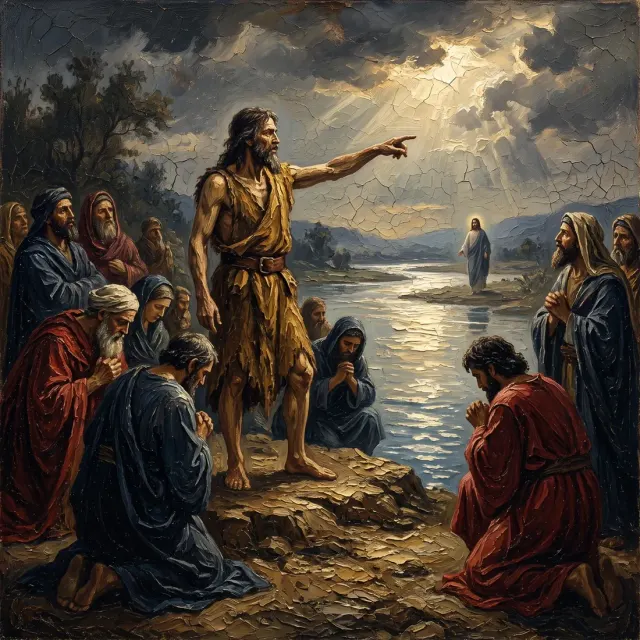
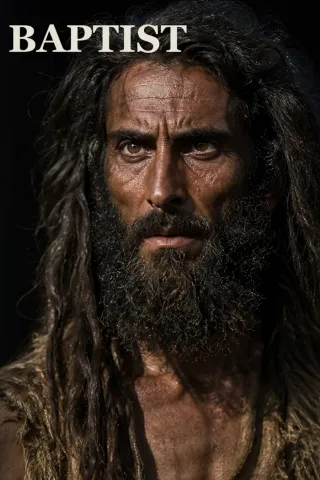

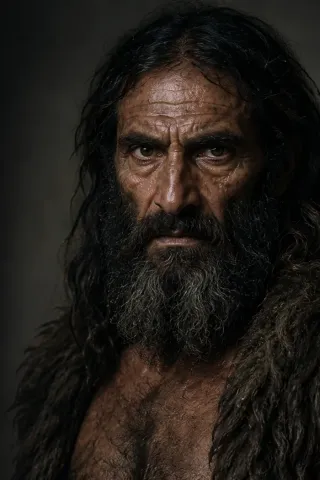
The wardrobe is doing some of the preaching. A garment of hair and a leather belt recall the description by which a king recognized Elijah in 2 Kings 1:8. John has not arrived dressed for a palace reception. The Book of Matthew will make that contrast explicit when Jesus places soft clothing in kings' houses and identifies John with the expected Elijah. The wilderness appearance belongs to a prophetic setting, not simply to an unusual taste in clothes.
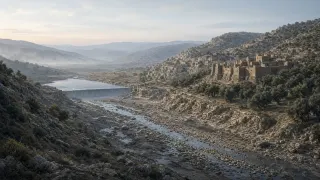
The food belongs to that setting too. Locusts and wild honey describe what John ate; they do not make his body a theological diagram or supply a menu for every disciple. Matthew's word meat means food here, not a claim that honey is flesh. The surrounding verses turn the expected traffic inside out. John does not go to Jerusalem to secure an audience. Jerusalem and the surrounding country come out to him, into the wilderness associated with Isaiah's call to prepare the Lord's way. The place lacks the city's institutions, but it does not lack a summons. The crowds are making the journey.