

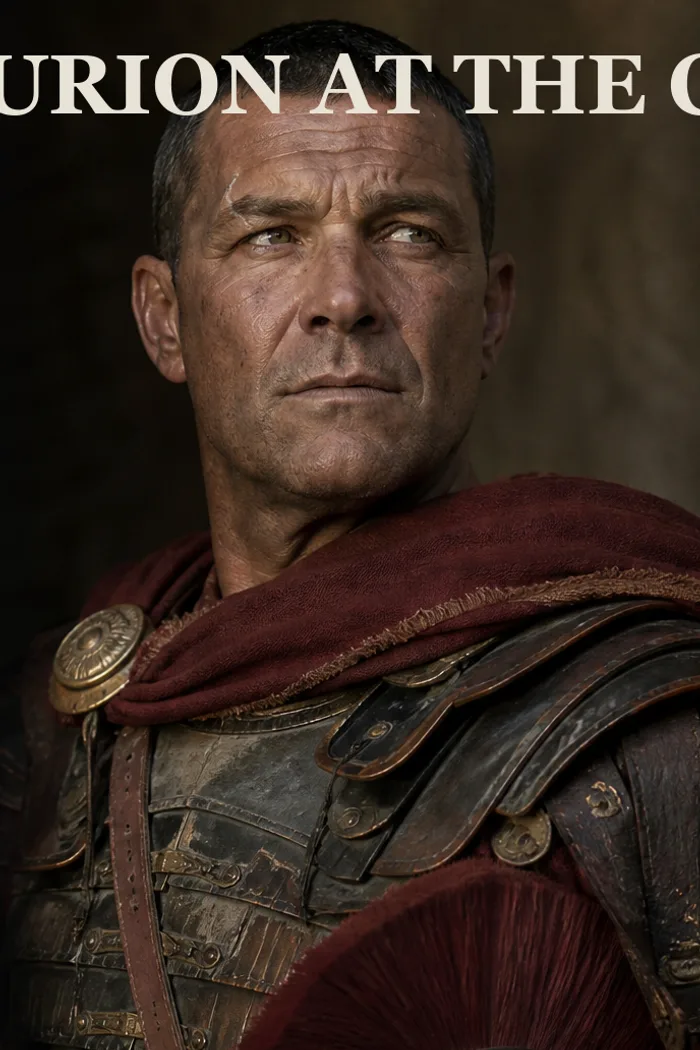
Mark 15:39
Truly this man was the Son of God
He stands facing the cross and speaks after the death, not before. What convinces him is the manner of the dying rather than any rescue from it.
Verse by verse
- 15:39
"Over against him" means facing him or standing opposite him. Mark explicitly locates the officer in relation to Jesus.
- 15:39
The verse connects the declaration with Jesus's cry and death. It does not state that the centurion saw the temple veil being torn.
- 15:39
Mark records the declaration but does not explain the full extent of the centurion's understanding. The Gospel supplies no personal name or subsequent biography.
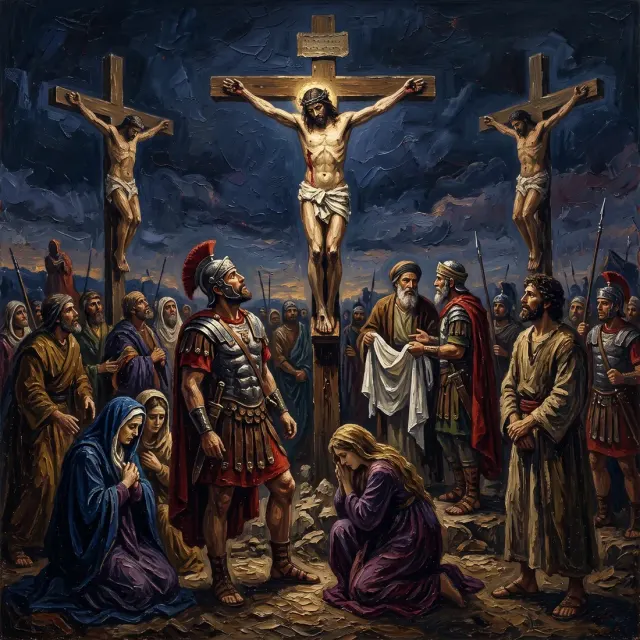
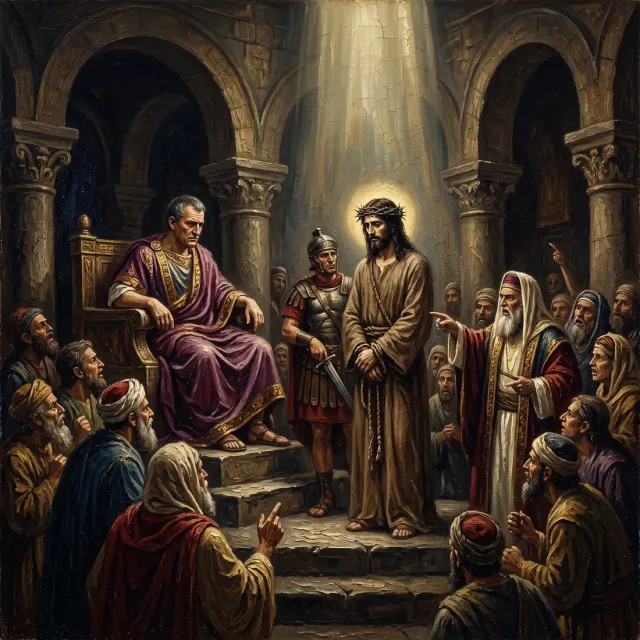



The confession comes from the man facing the cross, not from somebody watching a rescue. Earlier, the chief priests and scribes had demanded that Jesus come down so that they might see and believe. The centurion sees him die. Mark puts the acknowledgment of his identity at precisely the point that the mockers have treated as proof against it. Nothing about the death is being hidden to make the claim easier.
The officer's position matters: over against him. This is a nearby witness, and Mark ties his words to the way Jesus cries out and dies. The torn temple veil stands in the preceding verse, but Mark does not say that the centurion saw inside the temple. His stated vantage point is the cross. The Gospel's theological connection and the soldier's field of vision are not identical things.
Truly gives the declaration weight without supplying a complete account of the man's beliefs. Mark provides no name, baptism, or later career. It is unnecessary to invent any of them to hear the force of his words. The man posted beside a Roman execution speaks the title the surrounding mockery has failed to silence.