
Acts

28 Chapters
Acts: The Whole Book, Chapter by Chapter
The Witnesses Wait, and the Empty Place Is Filled
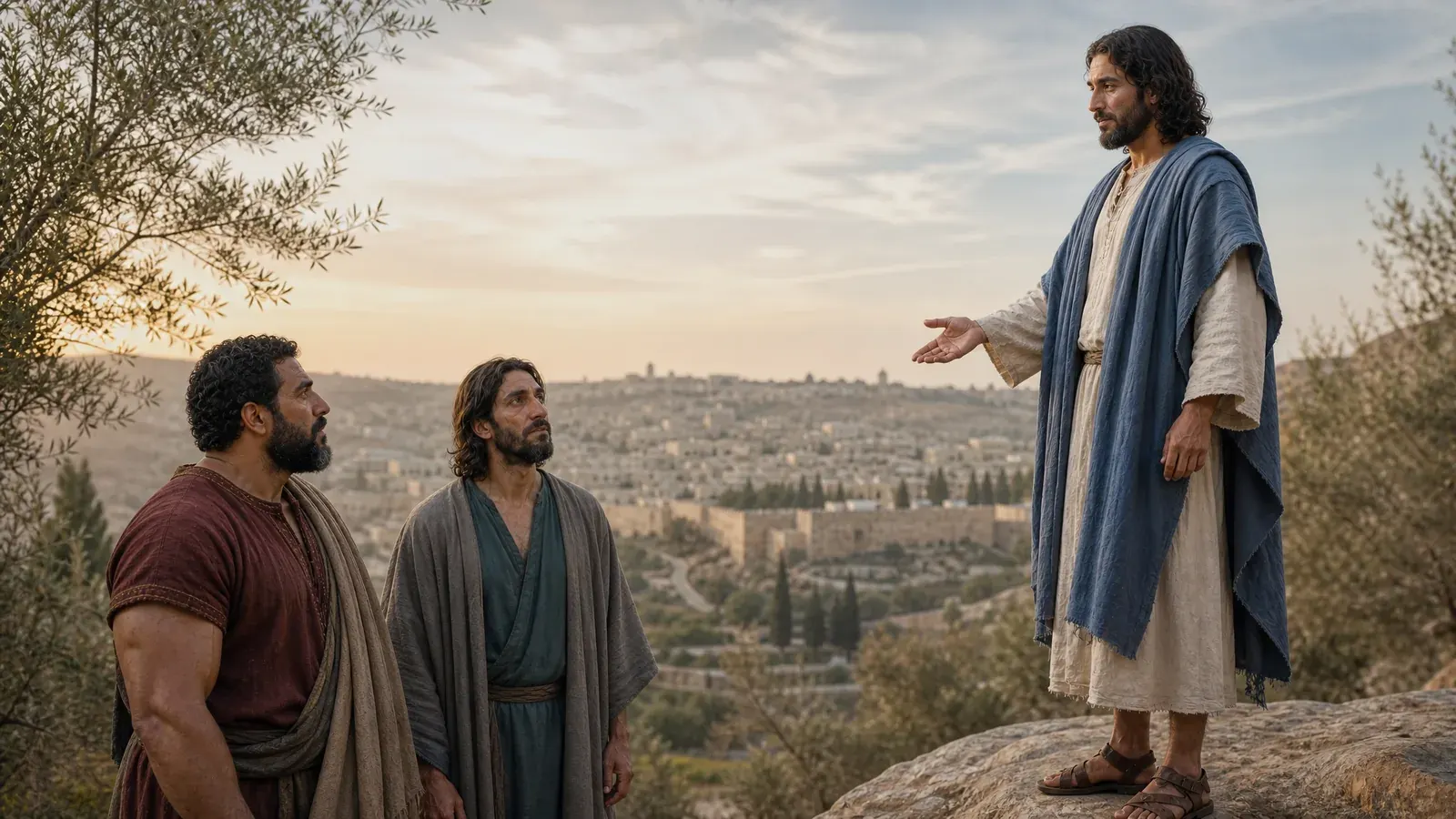
The Book of Acts begins with people who have seen the risen Jesus and still must wait. Forty days of proof and instruction do not make the apostles self-sufficient, and Jesus answers their question about Israel's restoration by redirecting them from a timetable to a commission. They are to become witnesses after the Holy Ghost comes upon them, with a geography stretching from Jerusalem outward. His ascension does not end that work; it defines the interval in which it must be done. Back in Jerusalem, the remaining apostles pray with a larger company that includes women, Mary, and Jesus' brethren. Judas's betrayal is neither hidden nor allowed to leave the apostolic circle permanently broken. Peter brings the vacancy into the open through the Psalms, and Matthias is chosen from men qualified to testify to the whole course of Jesus' ministry and resurrection.
One complete chapter pageOpen chapter →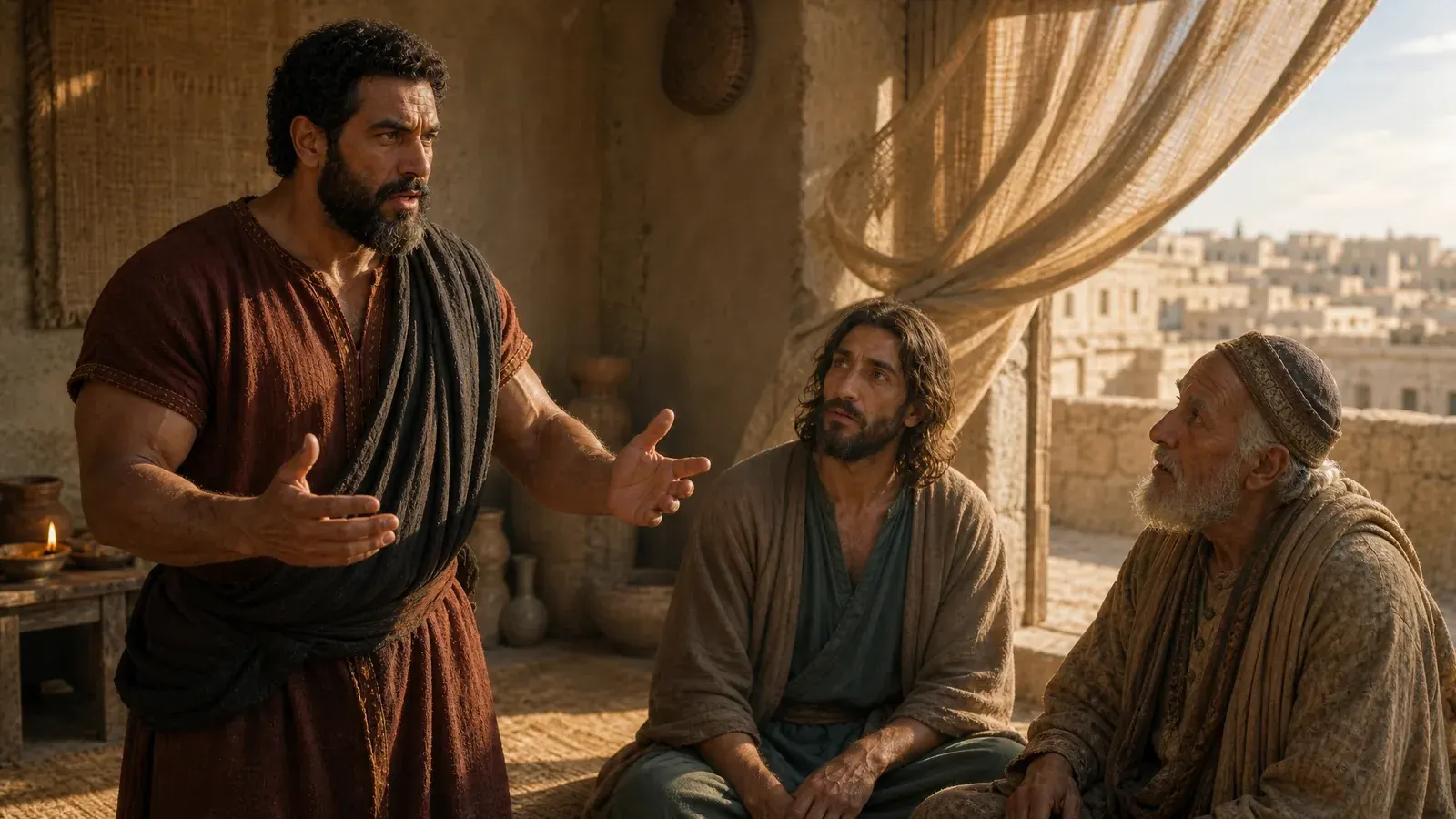
The Risen Jesus Pours Out the Promised Spirit
Pentecost makes the promised Spirit publicly audible in languages the gathered hearers recognize, and the first reactions already divide between wonder, questions, and mockery. Peter refuses to leave the event unexplained. Joel gives him language for the outpouring, while the Psalms let him argue that David's words reach beyond David's own occupied grave to the risen and exalted Jesus. The sound in Jerusalem is tied to authority in heaven: the Jesus who was crucified is proclaimed as Lord and Christ and as the one who has poured out what the crowd can see and hear. The hearers' question, “what shall we do?”, moves the chapter from interpretation to response. Repentance, baptism, forgiveness, and the gift of the Holy Ghost are joined to a promise extending beyond the immediate crowd. The chapter then turns three thousand additions into a daily life of teaching, fellowship, meals, prayer, generosity, and continuing need.
One complete chapter pageOpen chapter →
A Man Stands, and Peter Refuses the Credit
A man carried daily to the temple gate suddenly walks into the temple under his own strength, and the familiarity of his former place makes the change impossible to treat as anonymous rumor. Peter refuses the attention that immediately gathers around himself and John. Neither apostolic power nor personal holiness explains what the crowd has seen; the name of the risen Jesus does. From there the speech becomes larger than the healing. Peter names the rejection of the Holy and Just One, acknowledges that ignorance played a part, and still addresses his hearers as people to whom repentance and forgiveness remain open. The restored body becomes a sign inside a wider expectation of refreshing and restitution rather than the completion of everything promised. Moses' promised prophet and Abraham's promised blessing finally meet in Peter's appeal, where blessing is defined not as a stream of impressive benefits but as people being turned from their iniquities.
One complete chapter pageOpen chapter →
The Forbidden Name Keeps Being Spoken
The healed man of the previous chapter becomes evidence that can walk into a hearing. Peter and John are arrested for teaching resurrection through Jesus, yet the council cannot make the public result disappear. Asked by what power or name the man was healed, Peter answers with the very name the authorities want contained and moves from bodily wholeness to salvation. When the rulers concede privately that a notable miracle has occurred, their problem becomes one of speech control rather than factual denial. Peter and John answer that they cannot stop speaking about what they have seen and heard. Released under threat, they return to a community that does not pray for an escape route. The prayer asks for boldness, and the answer is more speech. The chapter closes by setting powerful resurrection witness beside material generosity, then gives that generosity a face in Barnabas, whose first appearance is a field sold and a gift laid down.
One complete chapter pageOpen chapter →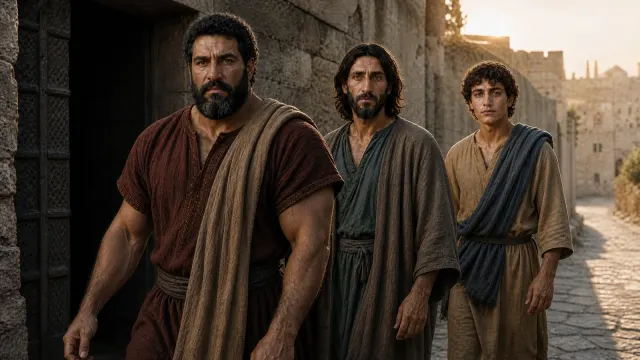
A False Gift and an Empty Prison
The chapter tests the church from the inside before returning to pressure from outside. Ananias and Sapphira imitate the visible form of generosity while lying about the gift, and Peter makes clear that the property and money were theirs to control. The deadly issue is not failure to surrender every possession but deceit presented before God as devotion. Fear follows, yet signs, healings, and growth continue. When the apostles are imprisoned, an angel does not release them into hiding but sends them back to the temple to teach, leaving the council with guards at their posts and an empty cell. The next hearing repeats the conflict over obedience, but accusation is joined to the offer of repentance and forgiveness. A plan to kill the apostles is interrupted by Gamaliel's warning that the council may find itself fighting against God. Beating follows restraint, yet daily teaching continues in public and in houses.
One complete chapter pageOpen chapter →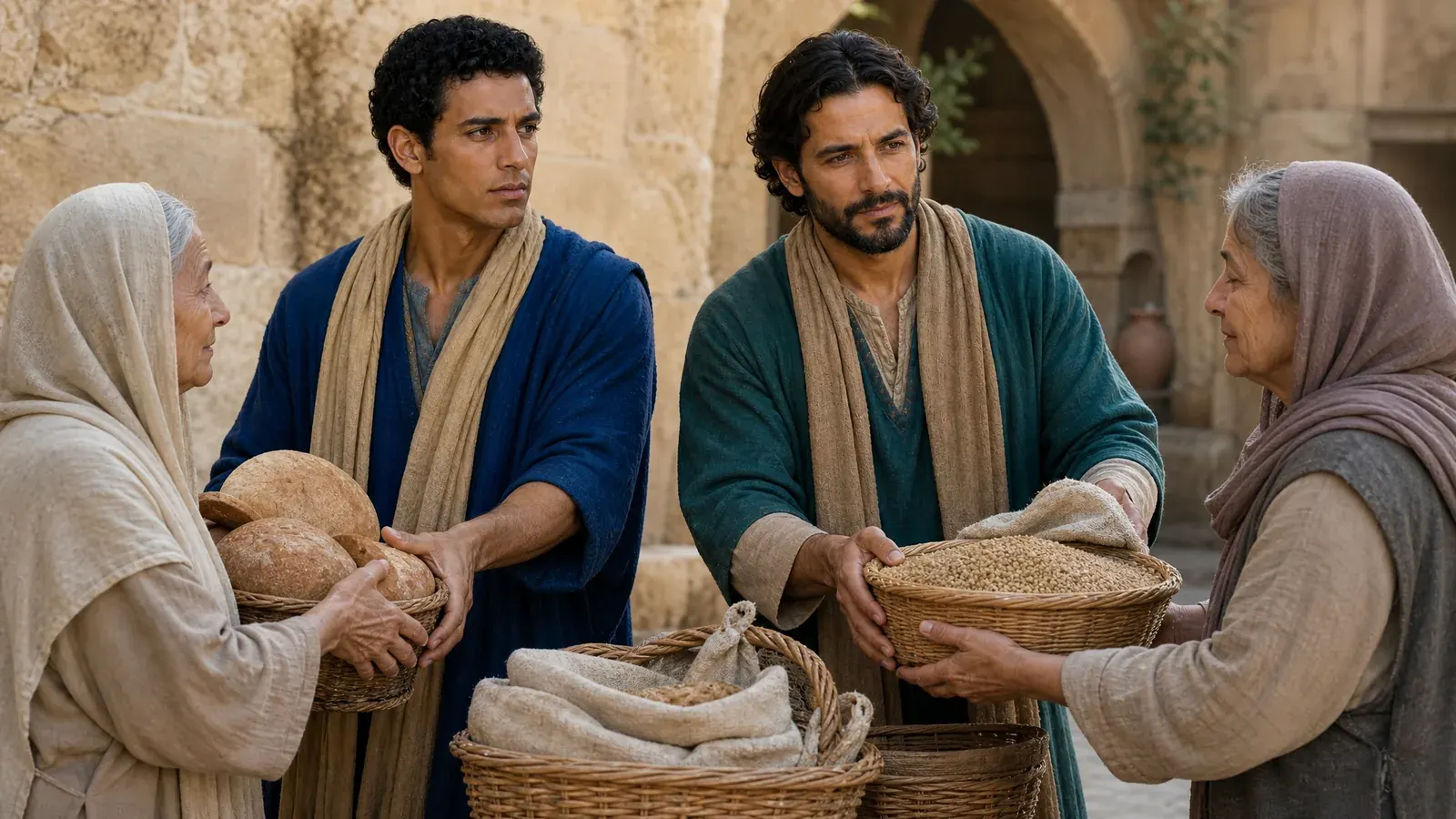
A Neglected Table Becomes a Test of the Whole Church
Growth creates a problem no miracle can solve by spectacle: Greek-speaking widows are being neglected in the daily distribution. The Book of Acts does not protect the church's image by denying the complaint, and the apostles do not solve it by pretending material care is beneath serious spiritual work. The same language of ministry applies to the tables and to the word, while the responsibilities are distributed so neither is abandoned. Seven men with good reputation, wisdom, and the Holy Ghost are chosen, and the result is continued growth. Stephen then immediately breaks any neat division between practical service and public witness. He performs wonders and speaks with a wisdom his opponents cannot overcome. When argument fails, the method changes. Accusations are arranged around Moses, God, the temple, and the law, and false witnesses bring Stephen before the council. His face is described in a way that prepares for a defense rooted deeply in the very Scriptures he is accused of dishonoring.
One complete chapter pageOpen chapter →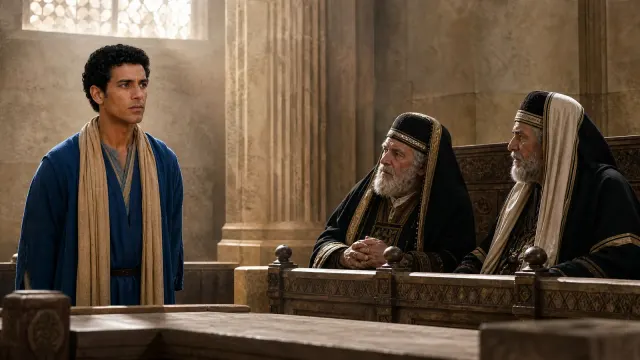
Stephen Puts the Accusation Back Into Israel’s History
Stephen answers the charges against him by taking the council through Israel's own history, but the route he chooses keeps unsettling the assumptions behind the accusations. God appears to Abraham before Abraham possesses the land. God is with Joseph in Egypt after his brothers reject him. Moses is refused before God sends “this Moses” as ruler and deliverer, and holy ground appears in the wilderness long before a temple stands in Jerusalem. The tabernacle and temple are acknowledged as real gifts without being allowed to contain the God who made heaven and earth. By the time Stephen turns directly on his hearers, the pattern is clear: sacred privileges have repeatedly existed beside resistance to God's messengers. The accused becomes the accuser, charging the council with receiving the law and not keeping it. The hearing ends not in acquittal but in stones, while Stephen sees Jesus at God's right hand and dies praying for the people killing him.
One complete chapter pageOpen chapter →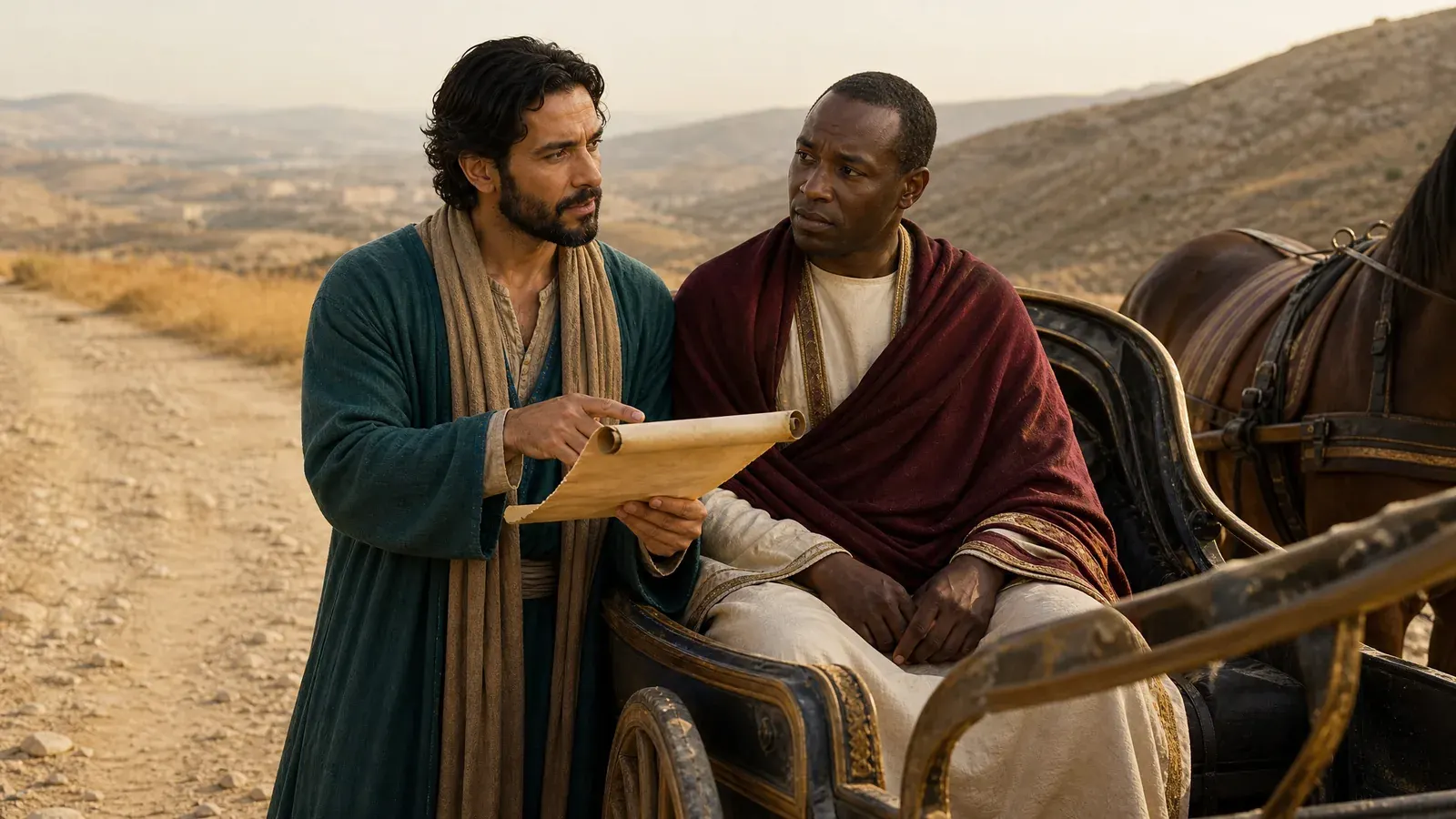
Scattered People Carry the Word Farther
Stephen's burial and the church's scattering are allowed to remain grief and persecution before the chapter shows what the scattering carries. Saul enters houses and drags away believers, while displaced people preach wherever they go. Philip reaches Samaria, where a city that once gave its attention to Simon the sorcerer now hears the kingdom of God and the name of Jesus Christ. Simon himself believes and is baptized, but his attempt to buy the authority associated with the Holy Ghost exposes how deeply he still misunderstands divine gift. The chapter then changes scale from a city to one traveler. Philip is sent to an Ethiopian official reading Isaiah on a desert road, and the crucial question becomes not whether the words are moving but whom they mean. Philip begins there and announces Jesus. Water appears, the traveler asks what hinders baptism, and the encounter ends with two men moving on in different directions, one preaching and one rejoicing.
One complete chapter pageOpen chapter →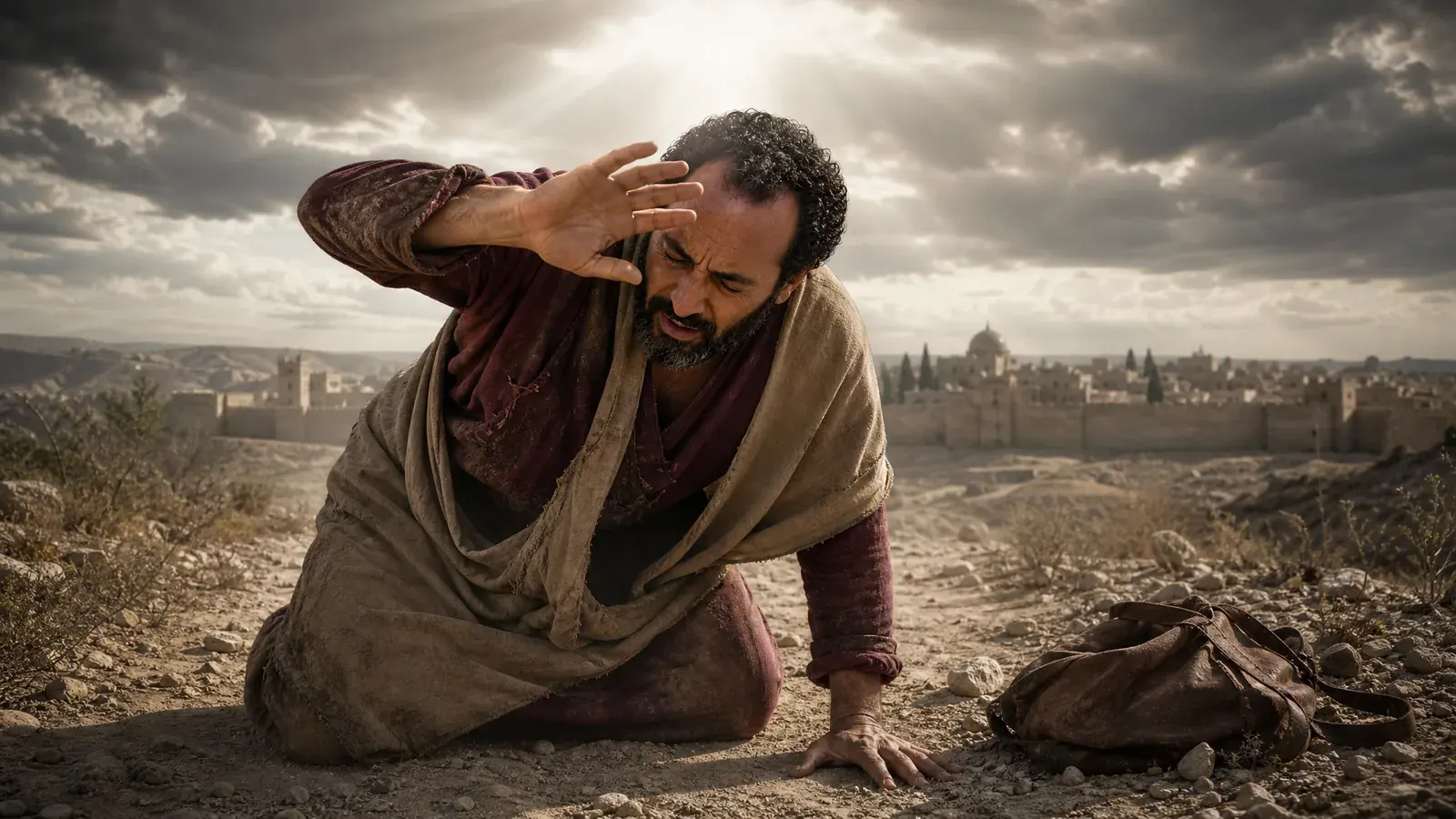
The Pursuer Is Led by the Hand
Saul leaves for Damascus intending to bind believers and arrives there unable to see, led by the hand. The voice that stops him identifies the people he attacks with Jesus himself, overturning Saul's understanding of whom he has been opposing. His calling then proceeds through people he would previously have threatened. Ananias knows the reports and does not pretend they are false, yet he enters the house, calls him “Brother Saul,” restores his sight, and receives him into the company he came to persecute. Saul's preaching immediately astonishes hearers, but changed allegiance does not create instant trust. Enemies plot to kill him, disciples lower him in a basket, and Jerusalem believers remain afraid until Barnabas vouches for him. After another threat sends Saul toward Tarsus, the account shifts back to Peter. Aeneas rises from an eight-year bed, and Tabitha rises among widows holding the garments that show why her life mattered to them.
One complete chapter pageOpen chapter →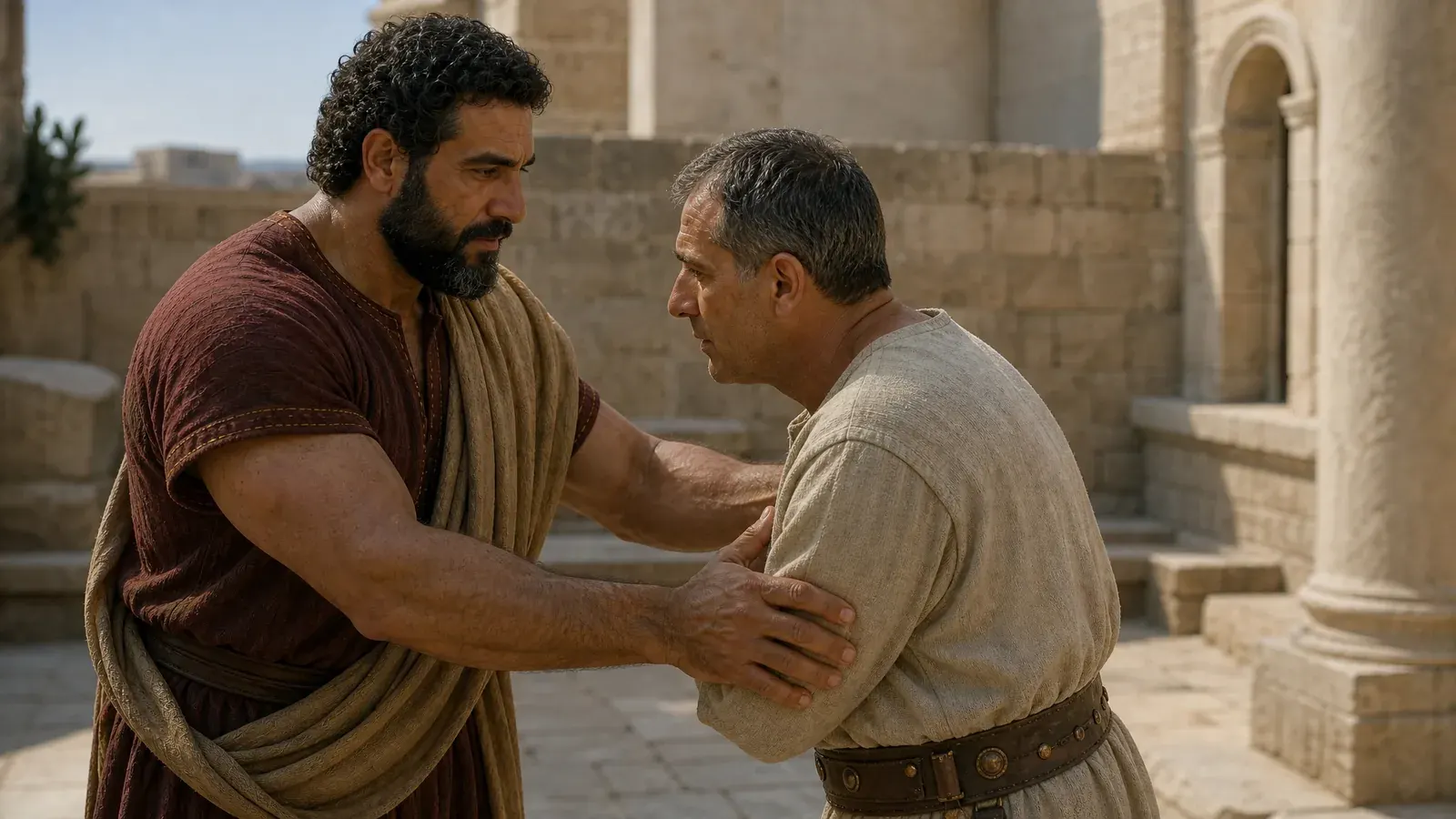
The Spirit Arrives Before the Boundary Is Settled
Two separate directions bring Cornelius and Peter together, and neither man begins with complete understanding of what the meeting will mean. Cornelius is already described as devout, generous, and prayerful, yet he is told to send for someone who will speak to him. Peter is hungry when a repeated vision challenges his categories of common and unclean, but the meaning is still unsettled when Gentile messengers arrive at the gate. Obedience moves faster than comprehension. Peter receives them, travels with witnesses, refuses Cornelius's prostration, and finally states the human force of the vision: he is not to call any person common or unclean. His proclamation keeps Israel's history intact while naming Jesus “Lord of all,” risen, appointed judge, and the one through whom forgiveness is announced. Then the Holy Ghost falls before Peter finishes speaking. The decisive inclusion arrives before circumcision, a vote, or even baptism, and water follows what God has already done.
One complete chapter pageOpen chapter →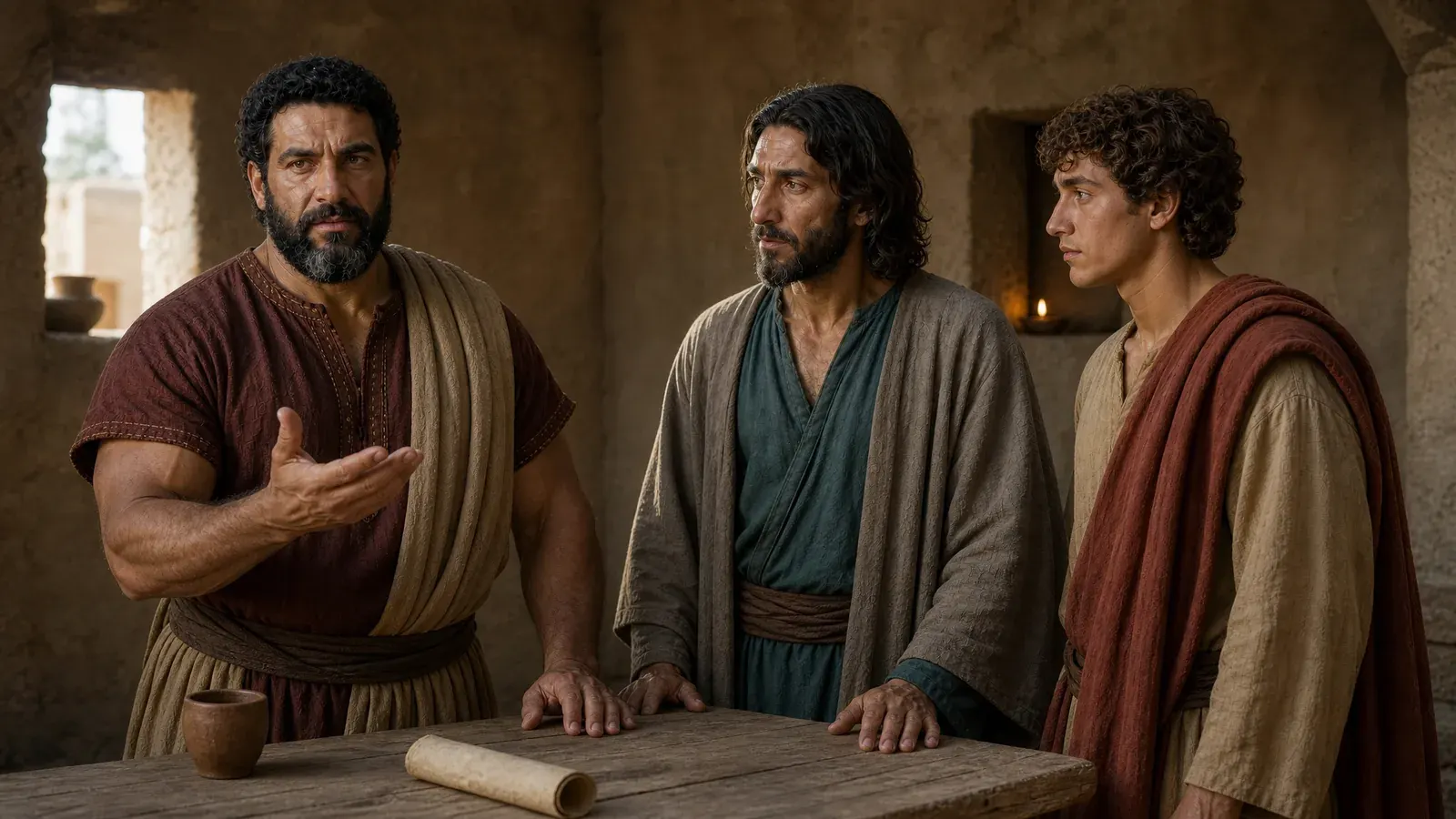
The Welcome Must Be Explained in Jerusalem
News of Gentiles receiving God's word reaches Jerusalem together with a more practical objection: Peter entered the home of uncircumcised people and ate with them. Peter does not answer by appealing to rank. He recounts the sequence, the repeated vision, the Spirit's direction, the six witnesses, Cornelius's message, and the Holy Ghost falling as at the beginning. The argument ends with a question about whether he could withstand God, and the critics move from contention to glorifying God for granting Gentiles repentance unto life. The chapter then returns to the earlier scattering after Stephen and follows unnamed believers as the message reaches Antioch. Barnabas arrives, recognizes grace, and strengthens what he finds rather than claiming it. He seeks Saul in Tarsus, and the two spend a year teaching there, where the disciples are first called Christians. The chapter closes with prophecy becoming relief, as Antioch sends practical aid toward Judaea through Barnabas and Saul.
One complete chapter pageOpen chapter →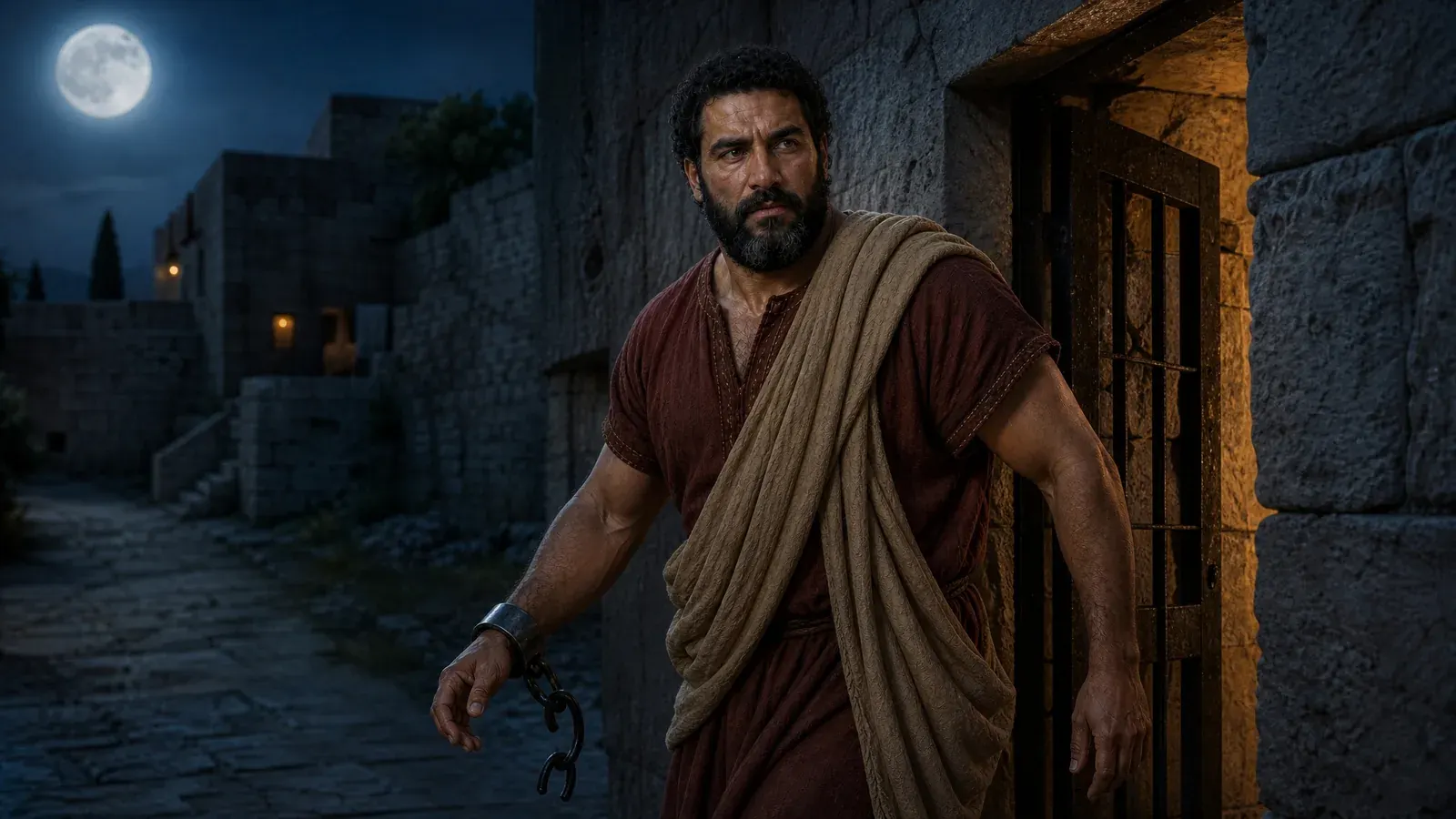
An Iron Gate Opens; a House Door Stays Shut
Herod's violence produces two very different apostolic outcomes, and the Book of Acts refuses to explain away the difference. James is killed; Peter is imprisoned under heavy guard while the church prays. Peter's release is extraordinary, but its details are almost domestic: an angel wakes him, chains fall, and he is told to dress and put on his sandals before following. Peter himself assumes he is seeing a vision until he stands in the street. The next obstacle is comic without making the danger trivial. Rhoda recognizes his voice, leaves him outside in her excitement, and the praying believers tell her she is wrong while Peter keeps knocking. The violence returns at daylight when Herod orders the guards killed. Later, a crowd acclaims Herod's speech as divine, and he dies after accepting the praise. The chapter's final measure is quieter and larger: “the word of God grew and multiplied,” while Barnabas and Saul finish their relief work and take John Mark with them.
One complete chapter pageOpen chapter →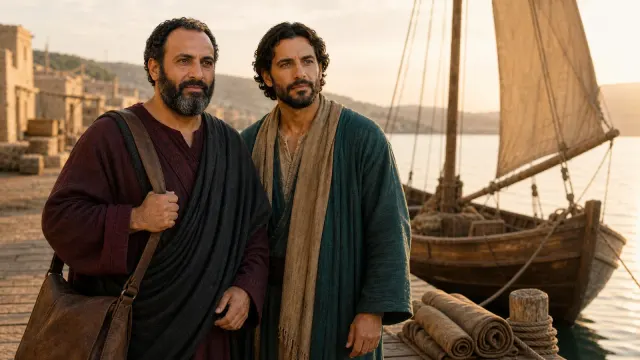
The Promised Son Is Announced Beyond Israel
Antioch becomes a sending church by listening before it sends. Barnabas and Saul are already serving among a varied group of prophets and teachers when the Holy Ghost separates them for work, and the congregation answers with fasting, prayer, and laying on of hands. Cyprus immediately shows that the work will involve both hearing and obstruction. Sergius Paulus wants the word of God; Elymas tries to turn him away and receives a temporary blindness that oddly echoes Saul's own earlier dependence. From there Paul moves to Pisidian Antioch, where a synagogue invitation becomes a sweeping argument that Israel's history has been carrying a promise toward Jesus. David dies and sees corruption; the promised heir is raised and does not. The speech reaches its point in forgiveness and justification through him, then meets sharply divided responses. The next sabbath brings a larger crowd, opposition, and an explicit turn toward the Gentiles through Isaiah's language of light reaching the ends of the earth. Expulsion moves the messengers on, but not the word.
One complete chapter pageOpen chapter →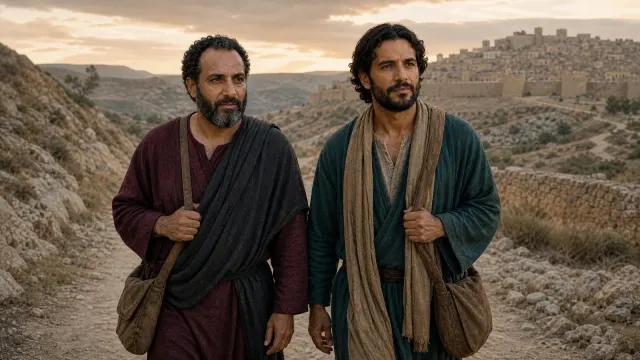
Neither Gods in the Street nor Strangers to Suffering
The Book of Acts, chapter 14, places public enthusiasm and public violence almost side by side. In Iconium, division does not immediately end the work; in Lystra, a healing is mistaken for proof that Barnabas and Paul are gods, forcing the missionaries to interrupt the worship directed at them. Soon afterward Paul is stoned and left for dead. The chapter's most revealing turn comes after that danger, when Paul and Barnabas retrace the same route to strengthen disciples, speak plainly about tribulation, appoint elders, and commend the churches to the Lord. Their return to Antioch closes the journey by shifting attention from personal adventure to what God has done and to the opened door of faith among the Gentiles.
One complete chapter pageOpen chapter →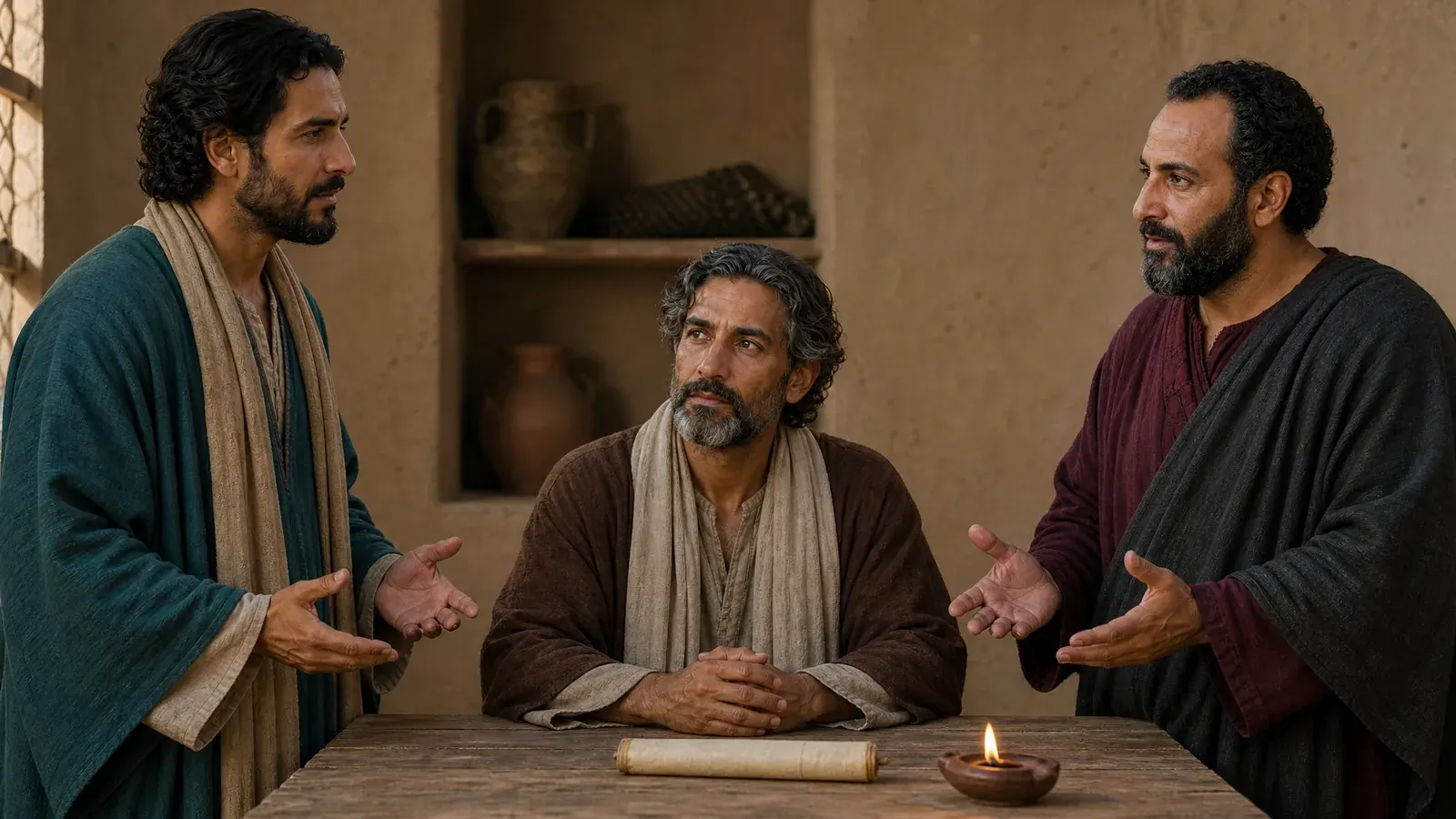
The Gentile Welcome Is Settled, but Two Companions Part
The Book of Acts, chapter 15, turns the Gentile mission into a question the whole church must answer: must Gentile believers be circumcised and keep Moses' law in order to be saved? The debate is serious, lengthy, and resolved through testimony, Scripture, and a shared judgment. Peter points to God's prior gift of the Spirit, James finds the Gentiles already present in the prophetic promise, and the resulting letter explicitly rejects an unauthorized burden. Antioch receives that decision with joy and further encouragement. Yet the chapter refuses to end with institutional harmony. Paul and Barnabas sharply disagree over John Mark and separate. The Book of Acts can place doctrinal agreement and personal rupture in the same chapter without pretending that either one cancels the other.
One complete chapter pageOpen chapter →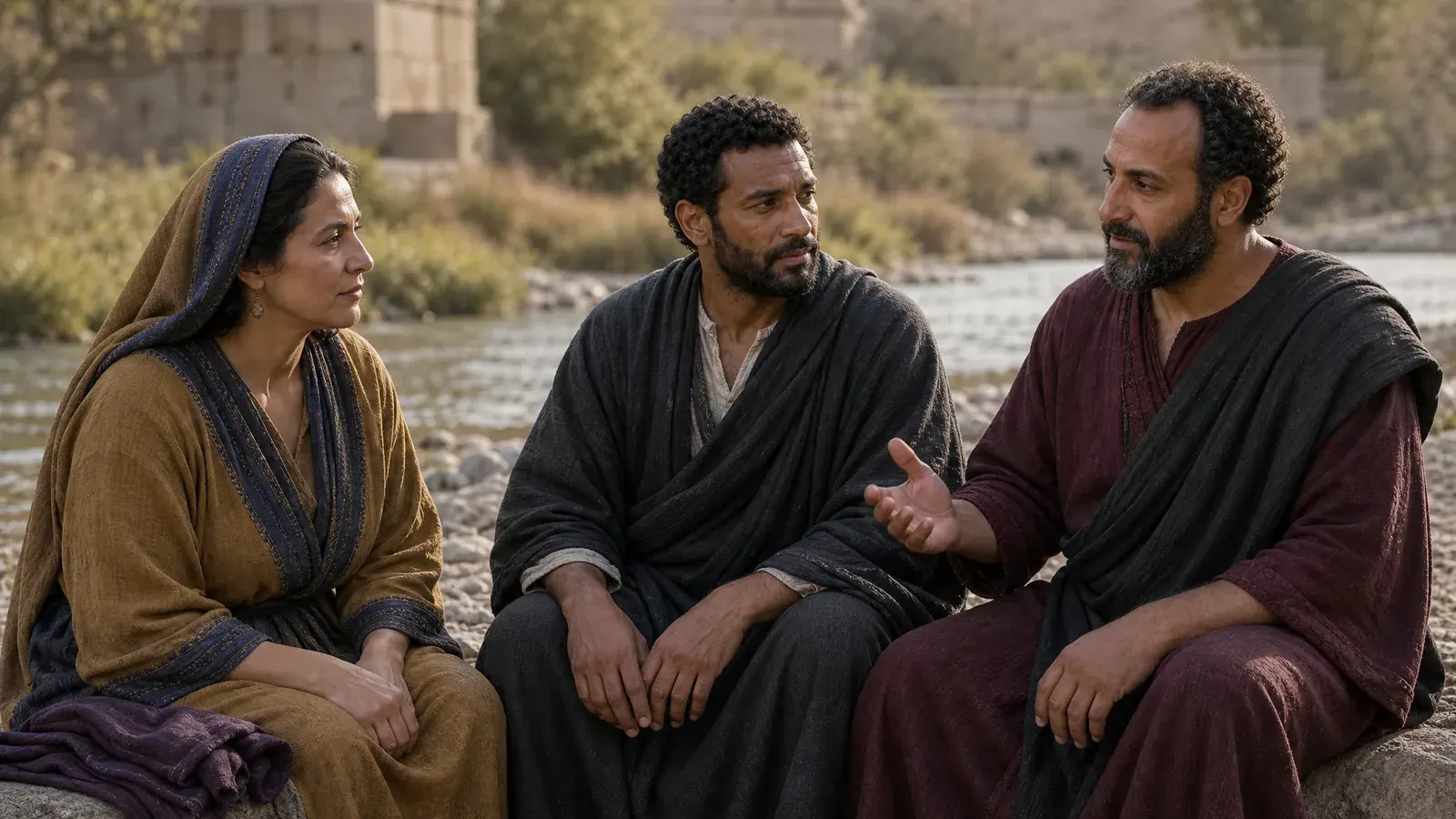
Closed Routes Lead to an Open House and an Opened Prison
The Book of Acts, chapter 16, advances by closed routes as much as open ones. Timothy joins the mission without undoing the Jerusalem decision, proposed journeys into Asia and Bithynia are blocked, and a vision redirects the company to Macedonia. At Philippi, the first named welcome comes through Lydia and her household, while the next major encounter begins with the destruction of a profitable form of exploitation and ends in a beating and prison. The midnight earthquake opens every door, yet the prisoners remain, preserving the jailer's life and creating a new household of instruction and hospitality. The morning release then becomes a legal reversal when Paul invokes Roman citizenship, requiring the magistrates to acknowledge publicly what they had done publicly.
One complete chapter pageOpen chapter →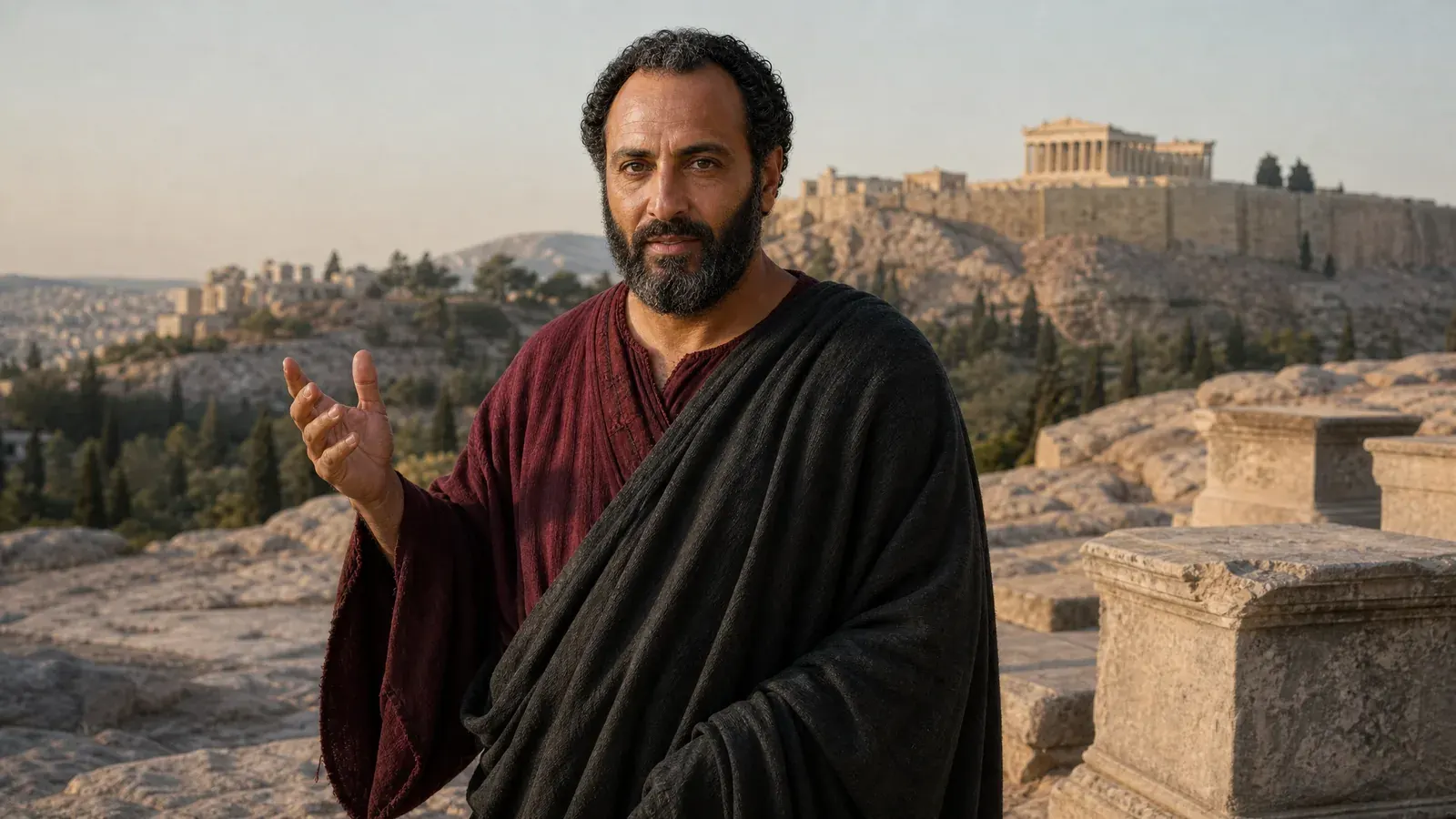
The Scriptures Are Searched, and the Unknown God Is Named
The Book of Acts, chapter 17, moves through three cities without giving the same audience the same opening. In Thessalonica, Paul reasons from Scripture about a suffering and risen Christ, and opposition translates the claim into a political accusation involving another king. Berea answers readiness with daily examination of the Scriptures, while hostility follows from Thessalonica. In Athens, Paul's waiting period becomes a public argument with synagogue hearers, marketplace listeners, and philosophers. His Areopagus address begins with the city's acknowledged ignorance, presses the dependence of humanity upon the Creator, and ends with repentance, judgment, and resurrection. The responses are mixed: mockery, postponement, and belief. The Book of Acts neither inflates the result nor dismisses it.
One complete chapter pageOpen chapter →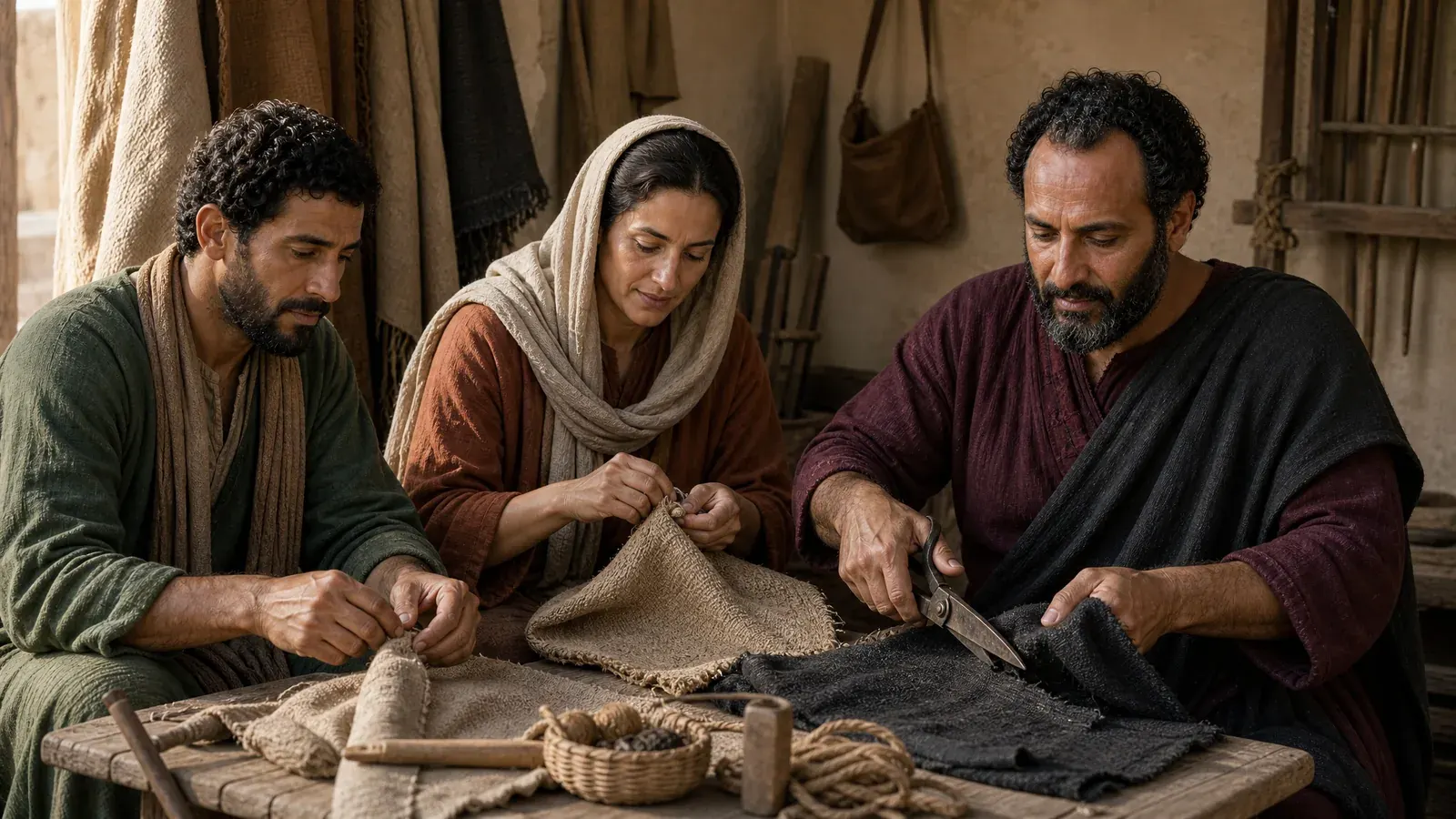
Workbenches, a Courtroom, and a Teacher Willing to Learn
The Book of Acts, chapter 18, gives Corinth an unusual amount of time. Paul lives and works with Aquila and Priscilla, reasons regularly in the synagogue, moves next door when opposition hardens, and remains for eighteen months after a vision assures him that he is not to be silent. Gallio's refusal to adjudicate the accusation gives practical protection without becoming an endorsement of the message. Later travel shifts attention away from Paul alone. Priscilla and Aquila remain in Ephesus, where they take Apollos aside and explain the way of God more exactly. Apollos then becomes a strong public witness in Achaia. The Book of Acts presents a mission strengthened by teachers willing both to instruct and to receive instruction.
One complete chapter pageOpen chapter →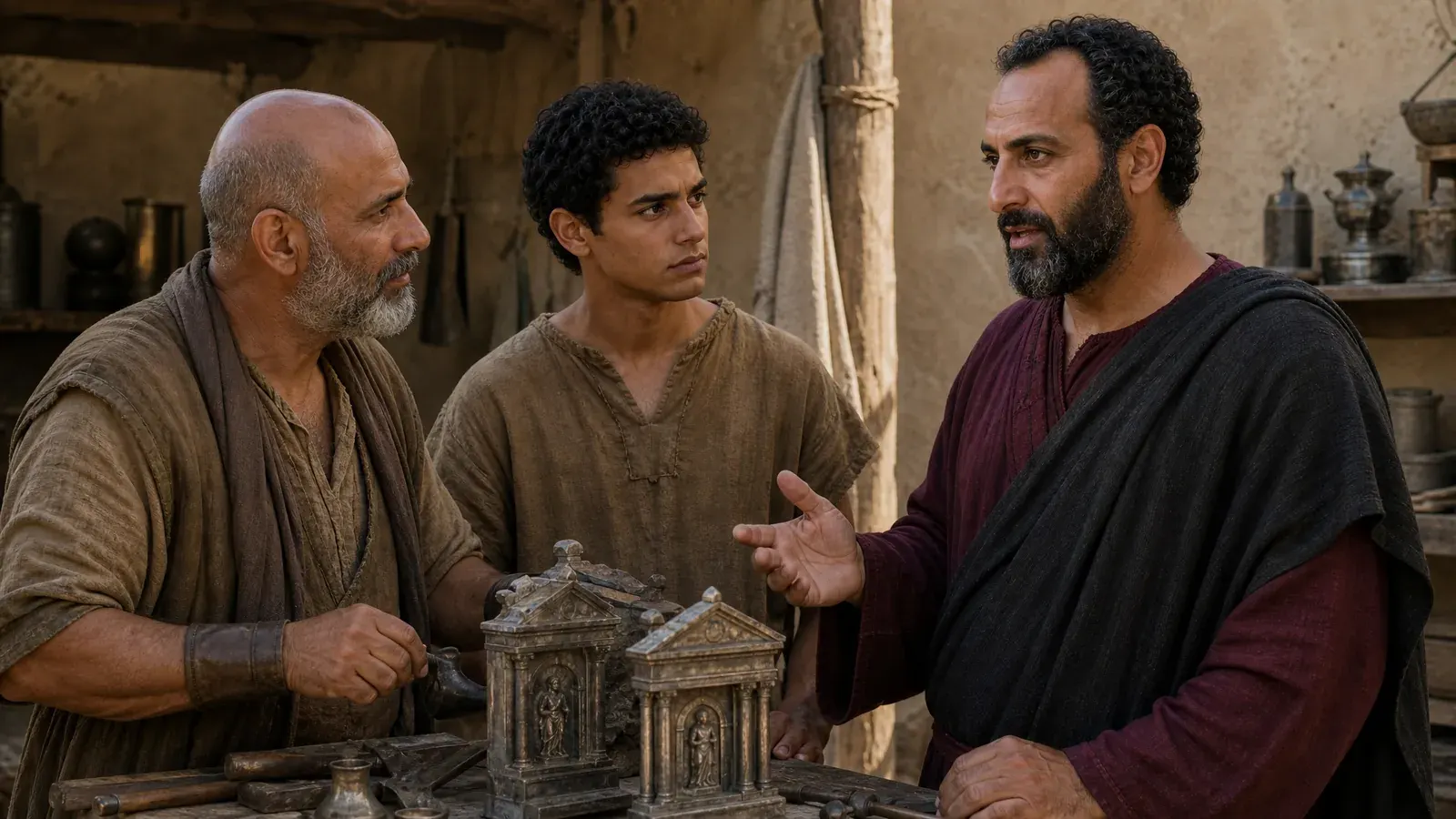
The Name of Jesus Unsettles the City’s Religious Business
The Book of Acts, chapter 19, makes Ephesus a prolonged center of teaching whose effects spread far beyond one room. Disciples limited to John's baptism receive fuller instruction, daily teaching continues for years, and extraordinary healings are explicitly attributed to God. The attempt by exorcists to borrow Jesus' name as a technique fails violently, while believers publicly renounce costly magical practices. The final crisis reveals another kind of cost. Demetrius begins with the craftsmen's wealth, expands the concern to Diana's honor, and helps trigger a confused theatre gathering. The town clerk finally restores procedure by distinguishing accusation from proof and lawful hearing from uproar. The Book of Acts shows the name of Jesus unsettling both religious technique and religious business.
One complete chapter pageOpen chapter →
The Farewell Entrusts a Living Flock to God
The Book of Acts, chapter 20, begins with movement through established churches and named companions who make the itinerary look like a map populated by communities rather than a solo journey. At Troas, a long farewell gathering is interrupted by Eutychus's fatal fall and ends with the young man alive. The chapter then slows for Paul's address to the Ephesian elders at Miletus. He appeals to conduct they have witnessed, describes a ministry he intends to finish despite expected affliction, warns of threats from outside and within, and commends the church to God rather than to his continuing presence. The farewell closes with working hands, support for the weak, prayer, embraces, and tears. Authority and affection are allowed to occupy the same relationship.
One complete chapter pageOpen chapter →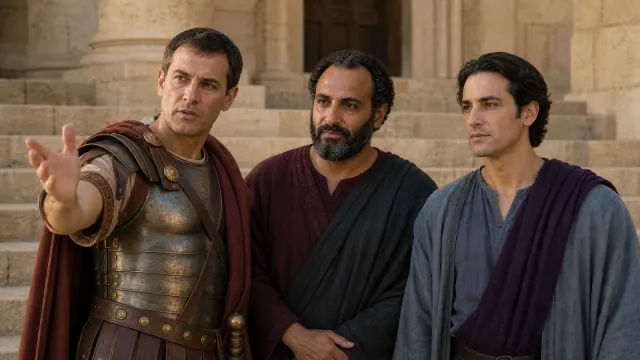
The Welcome at Jerusalem Is Followed by Chains
The Book of Acts, chapter 21, carries Paul toward Jerusalem under repeated warning without turning the journey into a simple lesson about whether he should have gone. Disciples at Tyre speak against the journey through the Spirit, Agabus dramatically predicts binding, and companions beg Paul to stay away. Yet the relationships remain warm, and the company finally entrusts the matter to the Lord's will. Jerusalem receives Paul gladly, then asks him to answer a damaging report about his teaching through visible participation in purification. Before that action is complete, opponents make a different accusation based on a mistaken assumption about Trophimus. Roman soldiers stop the beating but place Paul in chains, and the prisoner ends the chapter by asking permission to address the crowd that had wanted him dead.
One complete chapter pageOpen chapter →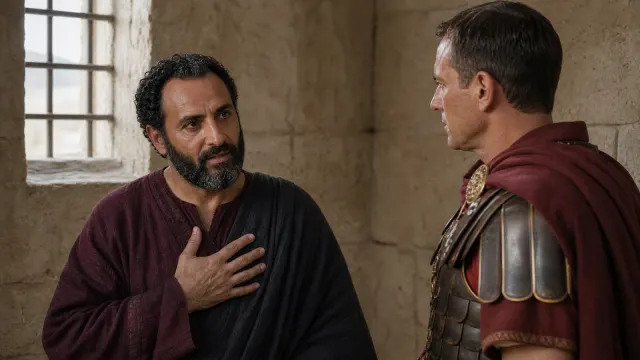
The Former Persecutor Explains the Commission He Received
The Book of Acts, chapter 22, gives Paul's defense the shape of a reversal. He begins inside the world of his accusers, stressing his Jewish upbringing, Gamaliel's instruction, former zeal, and violent campaign against the Way. The Damascus encounter then explains why that course changed, with Jesus identified as the one Paul had been persecuting and Ananias presented as a devout, well-regarded witness. Paul's commission to the Gentiles is located in a vision while he is praying in the temple, sharply answering the charge that his mission arose from contempt for that place. The crowd listens until the Gentile commission is named. A threatened scourging then stops when Paul asks whether an uncondemned Roman citizen may lawfully be treated that way.
One complete chapter pageOpen chapter →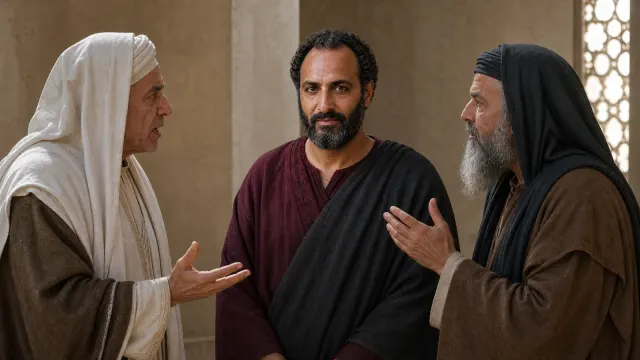
The Promise of Rome Passes Through a Nephew’s Warning
The Book of Acts, chapter 23, opens with a council that cannot maintain a coherent hearing. A blow ordered by the high priest produces a dispute about law, and Paul's declaration that resurrection is the issue splits Pharisees from Sadducees so sharply that soldiers again have to remove him. That night the Lord connects his Jerusalem witness to a future witness in Rome. The promise is followed not by immediate freedom but by a murder plot involving more than forty men. Paul's unnamed nephew becomes the crucial bearer of information, and Claudius Lysias responds with a large nighttime escort to Caesarea. The commander's letter presents his own actions more favorably than the prior account, yet still admits no charge worthy of death or bonds. Paul ends safer, but still confined.
One complete chapter pageOpen chapter →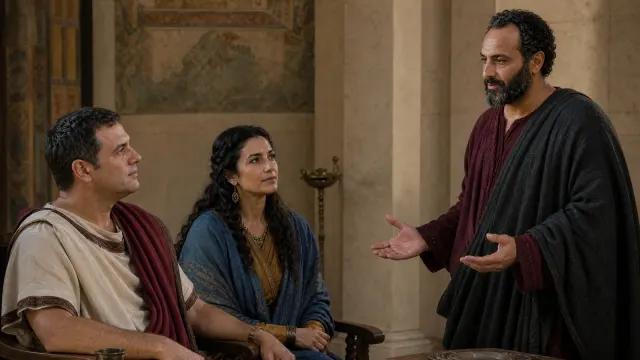
The Prisoner Speaks of Judgment, and the Judge Postpones
The Book of Acts, chapter 24, places polished accusation beside a defense that keeps narrowing the case toward evidence. Tertullus presents Paul as a worldwide agitator and temple profaner, while Paul points to the short time since his arrival, the absence of a crowd he raised, the missing original witnesses, and the central issue of resurrection. Felix already knows something about the Way and delays judgment rather than resolving the case. Paul receives limited liberty and later speaks with Felix and Drusilla about faith in Christ, righteousness, self-control, and coming judgment. Felix trembles but postpones again. Money and political favor then enter explicitly, and two years pass before Paul is left bound for Festus. Access to truth and access to power do not produce justice.
One complete chapter pageOpen chapter →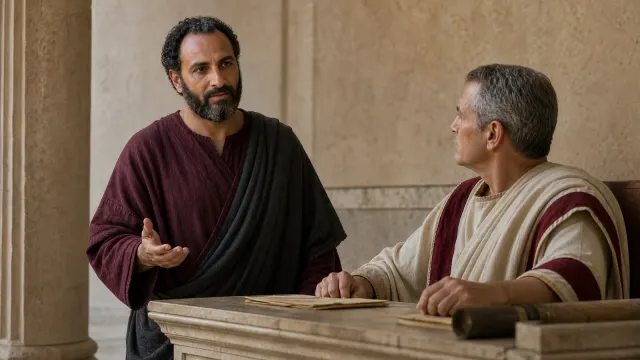
A Prisoner Is Ready to Send, but the Charge Is Not
The Book of Acts, chapter 25, shows how little changes merely because the governor does. Festus inherits Paul's case almost immediately, along with a renewed attempt to move the prisoner toward an ambush. He keeps the hearing in Caesarea, where serious accusations again fail to produce proof. When Festus later proposes Jerusalem, Paul appeals to Caesar rather than accept another transfer. That appeal fixes the legal route toward Rome, but Festus still lacks a coherent charge to send with the prisoner. Agrippa's arrival creates another hearing, and the chapter ends with a striking contrast: great pomp surrounds a man whom Festus has found guilty of nothing worthy of death and about whom he admits he has no certain criminal accusation to write. The ceremonial audience is impressive; the case is not.
One complete chapter pageOpen chapter →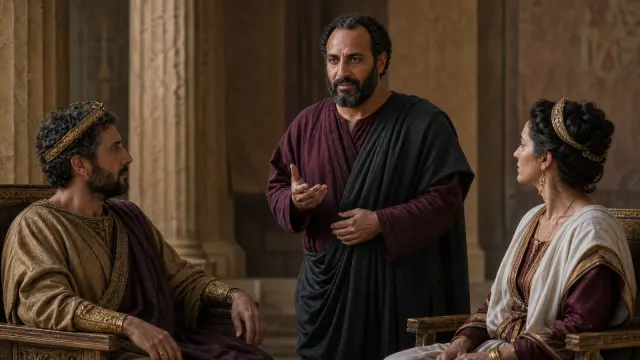
The Defense Becomes an Appeal to Everyone in the Room
The Book of Acts, chapter 26, turns Paul's defense into a public account of reversal, commission, and resurrection hope. Speaking before Agrippa, he begins with Israel's promise and his own strict Pharisaic past, then describes the violence he once directed against Jesus' followers. The Damascus encounter explains the change in authority: the man traveling to suppress the movement is sent by Jesus to become a witness and to carry light to both Israel and the Gentiles. Paul presents his later preaching as obedience to that vision and as fulfillment of Moses and the prophets. Festus calls him mad, Agrippa answers his appeal ambiguously, and Paul states that he wants everyone listening to share his faith but not his bonds. The officials finally agree on his innocence without agreeing to his message.
One complete chapter pageOpen chapter →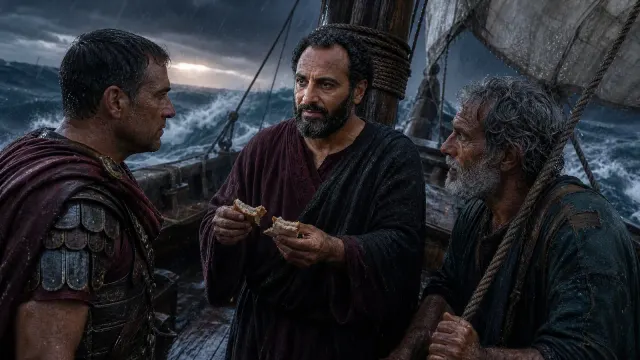
The Ship Is Lost, and Every Life Is Preserved
Acts 27 turns the voyage to Italy into a study in narrowing options without turning divine promise into an escape from physical danger. A practical decision to leave Fair Havens wins over Paul’s warning, and a gentle wind appears to justify it before Euroclydon takes control of the ship. Cargo, tackle, bearings, and eventually hope are lost. Only then does Paul announce the assurance given to him: he must stand before Caesar, and every person sailing with him will live, though the vessel will not. That promise does not make human action irrelevant. Sailors must stay, exhausted passengers must eat, and Julius must stop the soldiers from killing the prisoners. The ship finally breaks apart, yet all 276 people reach land. Acts counts the lives preserved, not the property lost.
One complete chapter pageOpen chapter →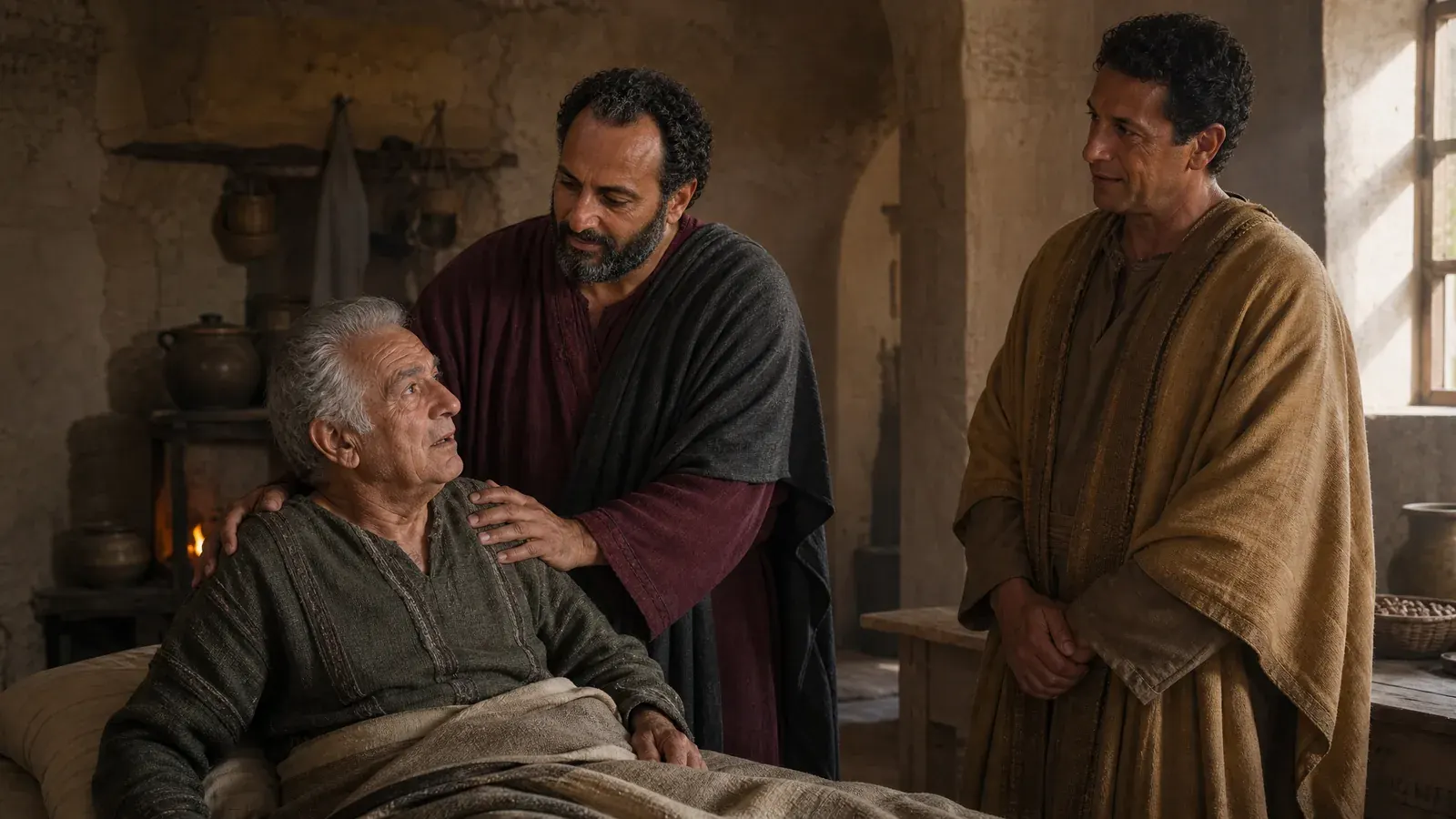
A Guarded Room Becomes the Book’s Open Ending
Acts 28 gives the Book of Acts an ending that is both settled and unfinished. Shipwrecked strangers first meet unusual kindness on Melita, where Paul survives a viper, prays for Publius’s sick father, and becomes the means of healing for others before the travelers receive supplies for departure. The journey then resumes through ordinary ports and winds until believers meet Paul on the road to Rome and strengthen him by their presence. In the city, custody remains real, but Paul takes the initiative. He explains his chain through “the hope of Israel,” speaks from Moses and the prophets about Jesus, and receives a divided response. The book does not close with Caesar’s verdict. It closes with two years of welcome and teaching in a guarded house, the message continuing “no man forbidding him.”
One complete chapter pageOpen chapter →Source: eBible.org · eng-kjv2006