The big picture
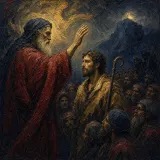
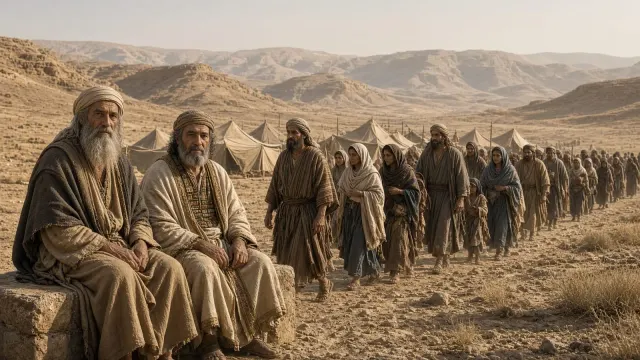
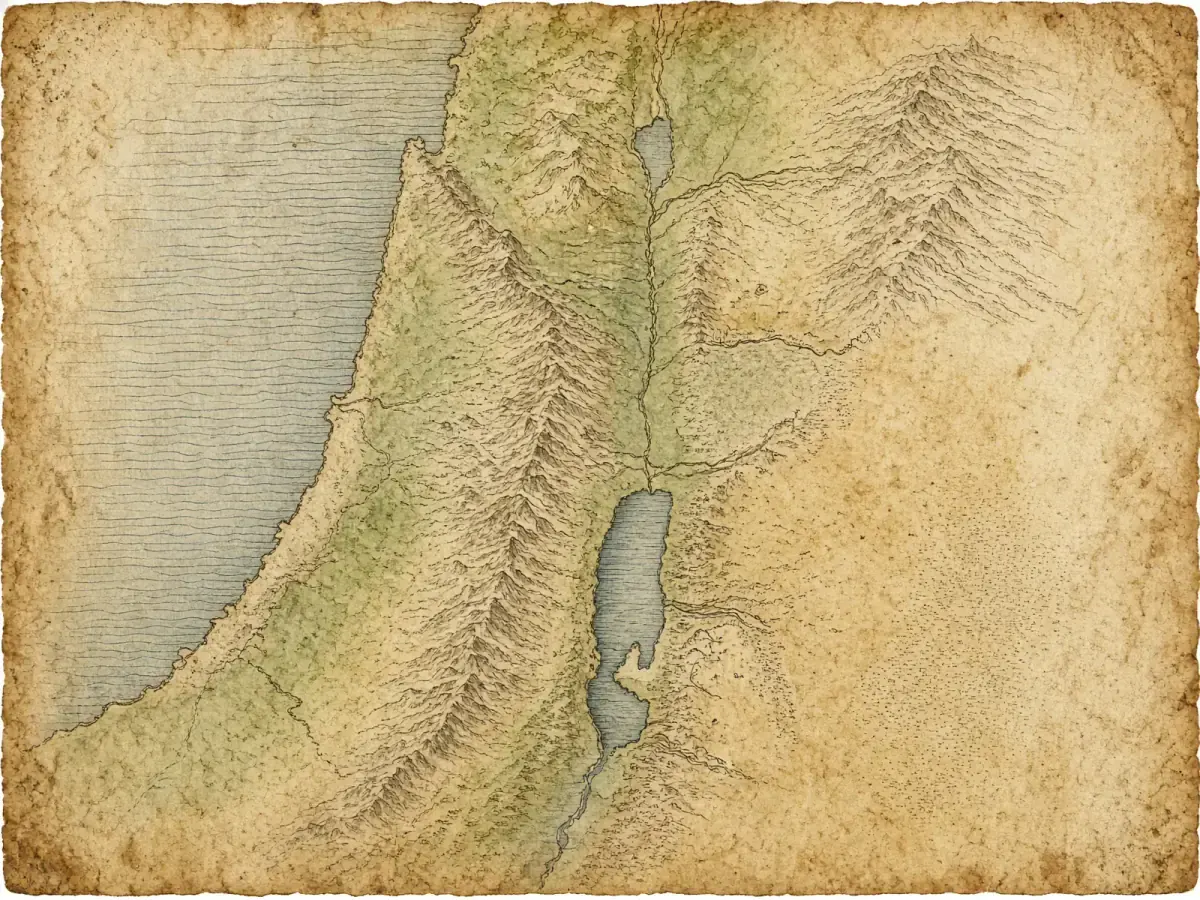
A plague has ended among Israel, the people awaiting land from God. Moses, their leader, receives orders for a fresh count of the men. Eleazar, the priest and son of Aaron, helps him. Their camp lies in Moab, beside the river Jordan near Jericho, a city. Family names link the living men to those who came before them. The last lines show how much has changed since the first count. Only two men from that earlier group remain.
In this chapter
- The Count Begins After the Plague Numbers 26:1-11
God orders Moses and Eleazar to count men who are fit for war.
- Five Tribes List Their Families Numbers 26:12-27
Five more tribes list their clans and men fit for war.
- The Remaining Tribes Complete the Total Numbers 26:28-51
Joseph's sons give their names to two tribes, Manasseh and Ephraim.
- Land Shares Match the Count Numbers 26:52-56
God tells Moses how the count will affect the land shares.
- Levites Receive a Separate Count Numbers 26:57-62
Levi's families have a separate count, with males from one month old included.
- The Earlier Generation Has Gone Numbers 26:63-65
The census ends in the plains of Moab beside Jordan.
Central truth
The new census prepares Israel to receive land while confirming that the condemned generation has died in the desert.
Scripture beside the summary
Numbers · King James Version · 65Numbers 26:1-11
The Count Begins After the Plague
God orders Moses and Eleazar to count men who are fit for war. They must be twenty or older, listed under their fathers' families. Reuben's clans come first, with 43,730 men. The list then recalls Dathan and Abiram. They joined Korah in a revolt against Moses and Aaron. The earth opened and swallowed them, while fire killed 250 men. Yet Korah's children did not die. Their survival means the deaths of rebel leaders did not end every family line.
In everyday life
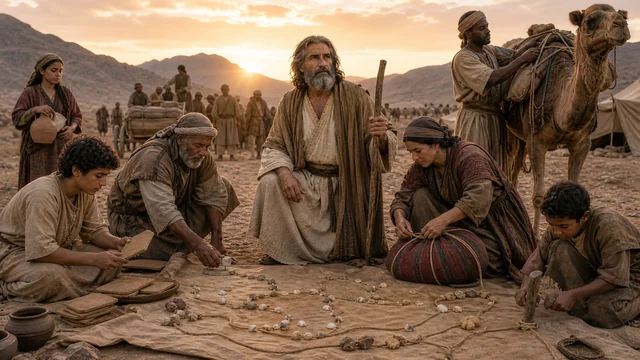
The coastguard registrar updates the service roll after a hard year. She notes the loss of a crew beside one family name. Then she adds the relatives who still serve. She does not cross out a whole family because some members died. Israel's list recalls people killed under God's judgement, including deaths by fire.
Notice
Numbers 26:11 Korah's children did not die when the rebels were killed. That short statement keeps the father's fate from being wrongly applied to his whole family.
Numbers 26:1-11
King James Version1And it came to pass after the plague, that the LORD spake unto Moses and unto Eleazar the son of Aaron the priest, saying,
2Take the sum of all the congregation of the children of Israel, from twenty years old and upward, throughout their fathers’ house, all that are able to go to war in Israel.
3And Moses and Eleazar the priest spake with them in the plains of Moab by Jordan near Jericho, saying,
4Take the sum of the people, from twenty years old and upward; as the LORD commanded Moses and the children of Israel, which went forth out of the land of Egypt.
5Reuben, the eldest son of Israel: the children of Reuben; Hanoch, of whom cometh the family of the Hanochites: of Pallu, the family of the Palluites:
6Of Hezron, the family of the Hezronites: of Carmi, the family of the Carmites.
7These are the families of the Reubenites: and they that were numbered of them were forty and three thousand and seven hundred and thirty.
8And the sons of Pallu; Eliab.
9And the sons of Eliab; Nemuel, and Dathan, and Abiram. This is that Dathan and Abiram, which were famous in the congregation, who strove against Moses and against Aaron in the company of Korah, when they strove against the LORD:
10And the earth opened her mouth, and swallowed them up together with Korah, when that company died, what time the fire devoured two hundred and fifty men: and they became a sign.
11Notwithstanding the children of Korah died not.
Numbers 26:12-27
Five Tribes List Their Families
Five more tribes list their clans and men fit for war. Simeon has 22,200 men, while Gad has 40,500. Judah's much larger count reaches 76,500. Issachar has 64,300 and Zebulun has 60,500. Each total comes after a list of family names. Two of Judah's sons, Er and Onan, died in Canaan. Other branches of his family still grow. The count keeps those earlier deaths beside the names of living clans. It records both family roots and the strength of each tribe.
In everyday life
A genealogist writes each family branch beside a reunion guest list. Some branches fill several pages. Others need only a few lines. She leaves the names of dead relatives in the family tree as she counts those attending. The two lists serve different needs. These tribal numbers count men for war and future land shares.
Notice
Numbers 26:22 Judah's total follows the names of its clans. The count joins each man to a family group, rather than giving one number with no roots.
Numbers 26:12-27
King James Version12The sons of Simeon after their families: of Nemuel, the family of the Nemuelites: of Jamin, the family of the Jaminites: of Jachin, the family of the Jachinites:
13Of Zerah, the family of the Zarhites: of Shaul, the family of the Shaulites.
14These are the families of the Simeonites, twenty and two thousand and two hundred.
15The children of Gad after their families: of Zephon, the family of the Zephonites: of Haggi, the family of the Haggites: of Shuni, the family of the Shunites:
16Of Ozni, the family of the Oznites: of Eri, the family of the Erites:
17Of Arod, the family of the Arodites: of Areli, the family of the Arelites.
18These are the families of the children of Gad according to those that were numbered of them, forty thousand and five hundred.
19The sons of Judah were Er and Onan: and Er and Onan died in the land of Canaan.
20And the sons of Judah after their families were; of Shelah, the family of the Shelanites: of Pharez, the family of the Pharzites: of Zerah, the family of the Zarhites.
21And the sons of Pharez were; of Hezron, the family of the Hezronites: of Hamul, the family of the Hamulites.
22These are the families of Judah according to those that were numbered of them, threescore and sixteen thousand and five hundred.
23Of the sons of Issachar after their families: of Tola, the family of the Tolaites: of Pua, the family of the Punites:
24Of Jashub, the family of the Jashubites: of Shimron, the family of the Shimronites.
25These are the families of Issachar according to those that were numbered of them, threescore and four thousand and three hundred.
26Of the sons of Zebulun after their families: of Sered, the family of the Sardites: of Elon, the family of the Elonites: of Jahleel, the family of the Jahleelites.
27These are the families of the Zebulunites according to those that were numbered of them, threescore thousand and five hundred.
Numbers 26:28-51
The Remaining Tribes Complete the Total
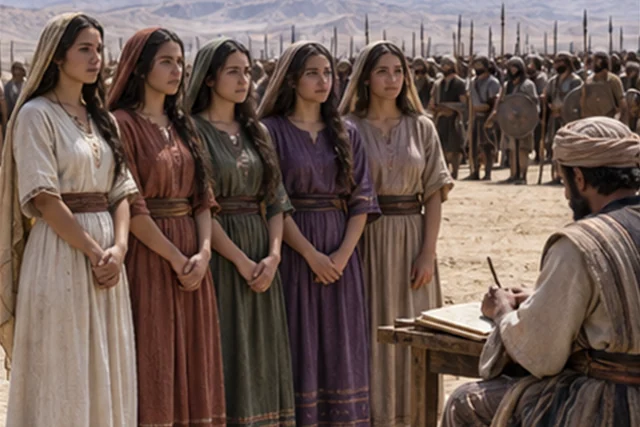
Joseph's sons give their names to two tribes, Manasseh and Ephraim. They are followed by Benjamin, Dan, Asher and Naphtali. Among these family lines, Zelophehad has no sons. His five daughters are named: Mahlah, Noah, Hoglah, Milcah and Tirzah. Sarah, a daughter of Asher, is named too. These women belong in the family record but not the count of fighting men. That full count reaches 601,730. Names beside the totals keep track of family ties as well as the size of the army.
In everyday life
A great-aunt spreads family photographs across an attic floor and notices that one branch contains daughters but no sons. She writes every girl's name on the back of the photograph before closing the album. A summary count would hide those names. Israel's daughters will raise an inheritance claim within land promised by God.
Notice
Numbers 26:33 Five daughters are named even though the census counts fighting men. Their place in the family record introduces an inheritance question that a male total cannot resolve.
Numbers 26:28-51
King James Version28The sons of Joseph after their families were Manasseh and Ephraim.
29Of the sons of Manasseh: of Machir, the family of the Machirites: and Machir begat Gilead: of Gilead come the family of the Gileadites.
30These are the sons of Gilead: of Jeezer, the family of the Jeezerites: of Helek, the family of the Helekites:
31And of Asriel, the family of the Asrielites: and of Shechem, the family of the Shechemites:
32And of Shemida, the family of the Shemidaites: and of Hepher, the family of the Hepherites.
33And Zelophehad the son of Hepher had no sons, but daughters: and the names of the daughters of Zelophehad were Mahlah, and Noah, Hoglah, Milcah, and Tirzah.
34These are the families of Manasseh, and those that were numbered of them, fifty and two thousand and seven hundred.
35These are the sons of Ephraim after their families: of Shuthelah, the family of the Shuthalhites: of Becher, the family of the Bachrites: of Tahan, the family of the Tahanites.
36And these are the sons of Shuthelah: of Eran, the family of the Eranites.
37These are the families of the sons of Ephraim according to those that were numbered of them, thirty and two thousand and five hundred. These are the sons of Joseph after their families.
38The sons of Benjamin after their families: of Bela, the family of the Belaites: of Ashbel, the family of the Ashbelites: of Ahiram, the family of the Ahiramites:
39Of Shupham, the family of the Shuphamites: of Hupham, the family of the Huphamites.
40And the sons of Bela were Ard and Naaman: of Ard, the family of the Ardites: and of Naaman, the family of the Naamites.
41These are the sons of Benjamin after their families: and they that were numbered of them were forty and five thousand and six hundred.
42These are the sons of Dan after their families: of Shuham, the family of the Shuhamites. These are the families of Dan after their families.
43All the families of the Shuhamites, according to those that were numbered of them, were threescore and four thousand and four hundred.
44Of the children of Asher after their families: of Jimna, the family of the Jimnites: of Jesui, the family of the Jesuites: of Beriah, the family of the Beriites.
45Of the sons of Beriah: of Heber, the family of the Heberites: of Malchiel, the family of the Malchielites.
46And the name of the daughter of Asher was Sarah.
47These are the families of the sons of Asher according to those that were numbered of them; who were fifty and three thousand and four hundred.
48Of the sons of Naphtali after their families: of Jahzeel, the family of the Jahzeelites: of Guni, the family of the Gunites:
49Of Jezer, the family of the Jezerites: of Shillem, the family of the Shillemites.
50These are the families of Naphtali according to their families: and they that were numbered of them were forty and five thousand and four hundred.
51These were the numbered of the children of Israel, six hundred thousand and a thousand seven hundred and thirty.
Numbers 26:52-56
Land Shares Match the Count
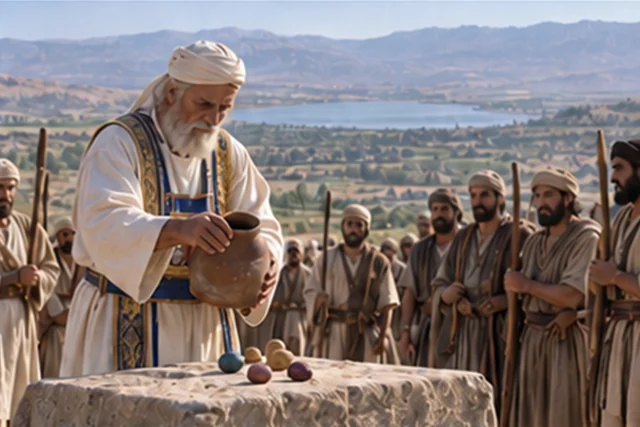
God tells Moses how the count will affect the land shares. A large group must get more land than a small one. The size of each share follows the number of people counted. Lots are also used to assign the land under the tribes' names. Drawing lots makes the choice of places part of a set process. The tribes are not told to grab what they want. Both family size and the lot have a part in how the land is shared.
In everyday life
A garden coordinator counts the people in each household before marking out plots. Larger groups get more space to grow food. She then draws slips to assign the places. Nobody claims the best corner by getting there first. Size and place have separate rules. The tribes receive land from God as their own lasting share.
Notice
Numbers 26:54 Larger groups must receive more land than smaller ones. Counting the people therefore serves a purpose beyond war: it helps set the size of their shares.
Numbers 26:52-56
King James Version52And the LORD spake unto Moses, saying,
53Unto these the land shall be divided for an inheritance according to the number of names.
54To many thou shalt give the more inheritance, and to few thou shalt give the less inheritance: to every one shall his inheritance be given according to those that were numbered of him.
55Notwithstanding the land shall be divided by lot: according to the names of the tribes of their fathers they shall inherit.
56According to the lot shall the possession thereof be divided between many and few.
Numbers 26:57-62
Levites Receive a Separate Count
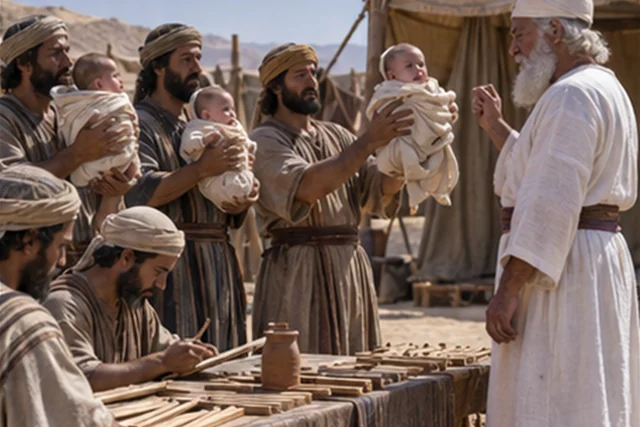
Levi's families have a separate count, with males from one month old included. There are 23,000 in all. They receive no land share with the other tribes. The list traces Moses, Aaron and Miriam to their parents, Amram and Jochebed. It also names Aaron's sons. Nadab and Abihu died when they offered strange fire before God. Eleazar and Ithamar remain in the family list. The Levite count is not an army roll. Its starting age and lack of a land share mark it apart.
In everyday life
An island station keeper records the resident service families on a separate register from people receiving fishing plots. Infants belong on the household list even though they cannot work. Different provisions require different counts. Levites are separately claimed for sacred service by God, rather than employed to run an island station.
Notice
Numbers 26:62 Boys enter the Levite count from one month old. Its lower age limit differs from the army roll, and this group receives no land share.
Numbers 26:57-62
King James Version57And these are they that were numbered of the Levites after their families: of Gershon, the family of the Gershonites: of Kohath, the family of the Kohathites: of Merari, the family of the Merarites.
58These are the families of the Levites: the family of the Libnites, the family of the Hebronites, the family of the Mahlites, the family of the Mushites, the family of the Korathites. And Kohath begat Amram.
59And the name of Amram’s wife was Jochebed, the daughter of Levi, whom her mother bare to Levi in Egypt: and she bare unto Amram Aaron and Moses, and Miriam their sister.
60And unto Aaron was born Nadab, and Abihu, Eleazar, and Ithamar.
61And Nadab and Abihu died, when they offered strange fire before the LORD.
62And those that were numbered of them were twenty and three thousand, all males from a month old and upward: for they were not numbered among the children of Israel, because there was no inheritance given them among the children of Israel.
Numbers 26:63-65
The Earlier Generation Has Gone
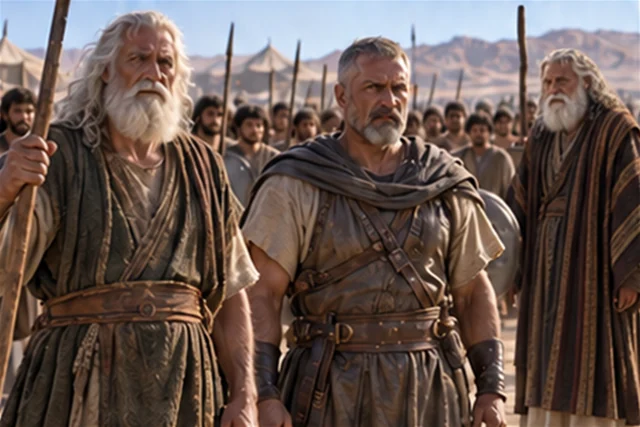
The census ends in the plains of Moab beside Jordan. Moses and Eleazar have counted a new group of men. Moses and Aaron made the earlier count in the desert of Sinai. Of those men, only Caleb and Joshua remain. God had said the rest would die in the desert. The new roll confirms that their deaths have taken place. Israel is still one people, but its ranks have changed. Two named survivors stand among men who were not in that first count.
In everyday life
The school secretary compares two staff photographs taken decades apart and finds only two familiar faces in the later one. The institution continues, but the people who carry its work have changed. A number on a staffing sheet cannot show that change as clearly as names. Israel's generation change fulfils God's announced judgement.
Notice
Numbers 26:65 Caleb and Joshua are the only men spared from the earlier counted group. Their names keep the two exceptions visible beside the sentence of death.
Numbers 26:63-65
King James Version63These are they that were numbered by Moses and Eleazar the priest, who numbered the children of Israel in the plains of Moab by Jordan near Jericho.
64But among these there was not a man of them whom Moses and Aaron the priest numbered, when they numbered the children of Israel in the wilderness of Sinai.
65For the LORD had said of them, They shall surely die in the wilderness. And there was not left a man of them, save Caleb the son of Jephunneh, and Joshua the son of Nun.
Details worth noticing
The opening image
Numbers 26:1 begins with “And it came to pass after the plague, that the LORD spake unto Moses and unto Eleazar the son of Aaron the priest, saying,”
Where the chapter turns
Numbers 26:64 forms a natural hinge: “But among these there was not a man of them whom Moses and Aaron the priest numbered, when they numbered the children of Israel in the wilderness of Sinai.”
The final note
Numbers 26:65 leaves the reader with “For the LORD had said of them, They shall surely die in the wilderness. And there was not left a man of them, save Caleb the son of Jephunneh, and Joshua…”
A word trail through the chapter
The words family, families, sons, numbered, children, Israel help reveal the chapter’s repeated concerns.
KJV words made clear
- begat
- became the father of
- unto
- to
- thou
- you
- spake
- spoke
Music and video connected to the passage
Related media appears when its Scripture reference overlaps this study. Music and video can illuminate a theme while the biblical text remains the foundation.